
| No | Name | Description |
|---|---|---|
 |
The saloon is on the seashore with a lovely view of the beach at Saulkrasti. Here different water sports and entertainment activities are organised. Latvian cuisine: Cold soup, baked filet of cod, homemade steak haché, roast pork, pancakes with cottage cheese, caramelised oatmeal. |
|
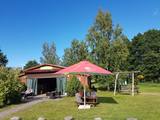 |
Kafejnīca "Stieres" atrodas Jūrmalas – Kolkas ceļa (P 131) malā – kempinga „Stieres” teritorijā. Piedāvā mājas virtuvi visām ēdienreizēm. Maltīti gatavo no Latvijas zemnieku audzētiem dārzeņiem, salātiem, zaļumiem. Zivju ēdieni ir no vietējo zvejniecības uzņēmumu ķertā vai pārstrādātā loma. Piedāvā dažādu svinību galdu klāšanu. Latviešu virtuve: Aukstā zupa, siļķe ar kartupeļiem un biezpienu, kartupeļu un plānās pankūkas, rosols, vietējo zemeņu zupa.
|
|
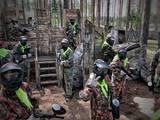 |
Aktīvās atpūtas peintbola parks un kempings ir atvērts apmeklētājiem no 2008. gada un šobrīd ir viens no lielākajiem peintbola parkiem Latvijā. Spriedzes un adrenalīna pilni piedzīvojumi nodrošināti kā skolēnu grupām, tā arī kolektīviem un draugu pulkam. Peintbola parks „Bušas” piedāvā lielus peintbola laukumus, ar šķēršļiem, mājiņām, ejām, torņiem, automašīnām – pilnvērtīgai un aktīvai peintbola spēlei. Peintbola parks „Bušas” ir sertificēts un drošs peintbola parks ar pieredzējušiem instruktoriem, kas seko peintbola spēlei visu tā laiku, lai mazinātu negadījuma iespējas, iepazīstina ar drošības noteikumiem un iepazīstina ar ekipējuma lietošanu. Peintbola parkam ir arī otra lokācijas vieta Rīgā, Matīsa ielā 8 Parkā ir iespējams arī pārnakšņot dažāda tipa naktsmītnēs - lielākā un mazākā kotedžā, pirts mājā, kā arī izmantot kempinga teritoriju telts būvēšanai. |
|
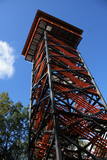 |
Labi redzams no Kornetu centra. Līdz tornim var nokļūt pa taku, kas ved pāri pļavai uz uzlokas pa stāvā Dzērves kalna nogāzi. No torņa paveras viens no skaistākajiem Vidzemes un Latvijas skatiem. Redzams Dēliņkalns, blakus esošie Dzērves un Ievas ezeri, Hānjas augstiene un Lielais Munameģis (acīgākiem vērotājiem). |
|
 |
Die dritlängste (in seiner Zeit auch eine der modernsten Brücken) Backsteinbrücke Europas (164 m), gebaut 1873 – 1874. |
|
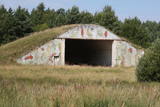 |
There are still some buildings, missile silos and an apartment building from the old No. 158 Zenith Missile Base at Ziemupe, but the territory has been abandoned and degraded.
|
|
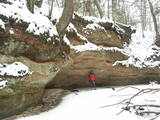 |
The Kaļķupe River valley was established as the Pilsupe River (formed by Kaļķupe River and Mazupe River) crossed the Blue hills of Šlītere to the South of Vīdale and Kaļķi. The distinct river valley has a branched network of gullies in which Devonian sandstone has been uncovered and can be seen in some locations. Puiškalns Hill (located at confluence of Kaļķupe River and Mazupe River), which was used as a castle hill and as a sacred location long in the past, is one of the most distinctive parts of the area. It is a popular tourist destination in the Talsi District. Hillside forests, various kinds of meadows and a wide range of plants are also of value in the local environment. |
|
 |
The guesthouse is on the side of the Rēzekne ring road (A12). The lady of the house offers Lettigalian dishes based on local ingredients, and she works with local farmers and fishermen. |
|
 |
Aitu audzēšanas saimniecībā ir ap 300 aitām. Saimniecības un aitu apskate, konsultācijas aitu audzēšanā un ganāmpulka izkopšanā, praktiski padomi. Šķirnes aitu, gaļas jēru un vilnas iegāde. |
|
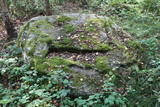 |
Near Mākoņkalns hill there is a trail that is mowed in the summer and leads to several historical rocks – Plakanais (Flat) rock, Āža muguras (Ram's Back) rock (on which you can clamber), and the Jaunstašuļi Velna pēdas (Devil's Footprint) rock, on the surface of which is a shape similar to a human footprint. There are signs along the side of the road leading to the trail. |
|
 |
The owner of the farm was the first to grow bush blackberries in Latvia in 1996, and today he has whole fields of the berries. He sells berries and plants, offers tours with tastings and consultations, designs gardens, and prepares plans for greenery. |
|
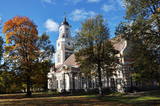 |
The church was built during the rule of Baron Otto Hermann von Fittinghof and built between 1781 and 1788 by the architect Christoph Haberland. Built in the style of Classicism, the church has elements of the Baroque style and a set of colourful rocks in a mosaic on the façade. The organ was built in 1855 by August Martin, and the bell was evacuated to Russia during World War I. The congregation replaced it with a much older bell (1530). The altar painting, “Baptism of Christ” was pained by an unknown artist and was restored in 2000. During the mid-19th century, there were many Estonians in the congregation, so worship services were held in Estonian, too. The church was restored in 1934, and now it dominates the city with its 55.5 m high tower. |
|
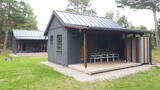 |
Brīvdienu mājiņas Jūvgumegi atrodas Kurzemes reģiona Mazirbē, Slīteres nacionālajā parkā. Viesiem tiek piedāvātas četrvietīgas un divvietīgas naktsmītnes ar bezmaksas privātu autostāvvietu. Visās ir pieejama virtuve ar ledusskapi un plīts virsmu, kā arī tualete, duša izvietota uz terases. Līdz liedagam 400m. |
|
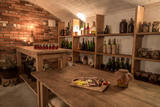 |
Die Gäste sind eingeladen den traditionellen, litauischen ethnographischen Keller zu besuchen. Hier wird die Verkostung von gepökeltem Speck aus eigener Produktion mit sauren Gurken aus ökologischem Anbau geboten, zudem kann man sich Frischkäse mit verschiedenen Beerenmarmeladen schmecken lassen und die ganze Sache mit auf dem Hof erzeugten Wein und Apfelwein abrunden. Im Angebot steht ferner Kräutertee aus Gemeinem Schneeball. |
|
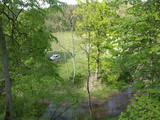 |
The viewing area is near the top of the Vilce castle hill, with a view of the Rukūze River valley, Zaķi meadow, and surrounding forests. This is an unusual landscape for the region of Zemgale. The Vilce baronial estate is nearby.
|
|
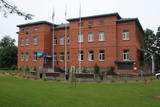 |
Muižas pils (no sarkaniem ķieģeļiem celta) ir meklējama ceļu krustojumā pie Gaujām – 2 km ziemeļaustrumos no Jaunpiebalgas centra, Gaujas labajā krastā. Līdz 1918. g. muižas īpašnieki bija slaveno grāfu Šeremetjevu dzimta. Muižas pili nodedzināja 1905. g. nemieros, bet vēlāk atjaunoja. Muižas pilī bijušas dažādas iestādes: slimnīca, kolhoza „Piebalga” administrācija, mūsdienās – pašvaldība un dažādu sadzīves pakalpojumu sniedzēji. |
|
 |
Dabas liegumā "Pilskalnes Siguldiņa" ir izveidota dabas taka - kājinieku tūrisma maršruts – t.s. Augšzemes ainavu taka, kas sākas Pilskalnē un beidzas pie Driģeņu mājām. Tā izlīkumo ezeru krastus, šķērso purvu (laipas). Apmeklētājiem, t.sk. arī bērniem, izveidotas arī īsākas - lokālas takas. Pieejami dažādu taku garumi: 1,6 km, 3,8 km, 8 km. |
|
 7 days
|
The most spectacular autumn events are the Crane shows which can be observed at the bogs and fields. The tour will pass several of these places. We have included different biotops in the tour- seacost, different forests, bogs and fish ponds- in order to see various bird species. |
|
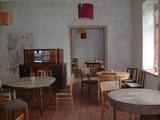 |
The manor was established in the 19th C. Today its mansion houses a restaurant where chefs cook affordable and simple dishes from local produce following principles of Estonian cuisine. Menus are always displayed and daily updated on the website, motorists in transit and group bookings are equally welcome. |
|
 |
В давние времена проспект Курмаяс был главной дорогой, ведущей на пляж. Вдоль проспекта стоят роскошные дома и виллы рубежа XIX – XX века, принадлежащие аристократам – обожателям моря и побережья. Здесь установлены отлитые в бронзе скульптуры из гимна Лиепаи «Город, в котором рождается ветер» - «Лодочник», «Янтарные латыши», «Ворона» и др. В конце проспекта возвышается памятник погибшим морякам и рыбакам (установлен в 1977 г.). Он символизирует женщину, которая ждет возвращения домой своего мужчины. На проспекте Курмаяс 16/18 находится Лиепайский историко-художественный музей. Музейный фонд (всего более 100 000 экспонатов)разместился в построенном в 1901 году в стиле эклектизма (с элементами готики) доме, который строился по эскизам берлинского архитектора Эрнеста фон Ине и проекту П. М. Берчи. В экспозиции представлена каменная стела – единственная подобного рода находка в странах Балтии с могильника под Гробиней (могильник Скандинавов). |
|


