
| No | Name | Description |
|---|---|---|
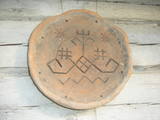 |
This is a unique exhibition of woven chairs, chair-making instruments, photographs, and other objects related to chair-making traditions from the late 18th to the mid-20th century. Ceramicist Īrisa Vainovska will talk about the pottery arts, offering decorative plates, interesting wind pipes and souvenirs. |
|
 |
Višķi is a populated area that started as the Višķi Estate and received the status of a village in the 19th century. An agricultural school was opened there in 1921, followed by a one-year homemaking school in 1926. During World War II, in 1943, the Višķi Gardening and Beekeeping School was established. After the war, the Višķi Gardening (later Agricultural) Technical School was opened. Because of these educational activities, Višķi ir not similar to a typical countryside village. There is a wide area of lovely plants, including a dendrological park (est. 1936) and apple orchards. A local guide will tell you all about the park, but you can also stroll through the village individually. |
|
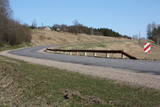 |
Beautiful views are accessible from the Sabile castle hill (steps, a location for relaxation), Upurkalns Hill (no improvements) and Briņķpedvāle, which part of the Pedvāle Open-Air Art Museum. There are also the Drubaži nature trails. The road between Kandava and Sabile which runs along the right bank of the Abava and the Aizdzire-Kalnmuiža road which runs on the left bank of the Abava also offer beautiful landscapes.
|
|
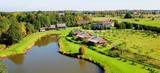 |
The "Agluona" guesthouse offers coffee and dishes from Little Lithuania and Žemaitija. Tastings are offered of locally baked bread and Little Lithuanian pierogi and waffles. |
|
 |
The factory produces milk candy “Gotiņa”, toffee, sherbet, marmalade and candy cream from natural ingredients. We obtain fresh milk from local farms; other ingredients for the production process are obtained in the surrounding area. Each piece of candy “Gotiņa” is hand-wrapped. |
|
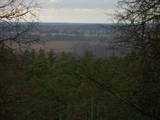 |
This is an area that is full of legend and tale. There is a stiff hillock, which stands about 66 metres above the surrounding land. From its southern side, you can see the Burtnieki lowlands. The tower, however, is not open to the public.
|
|
 |
The farmstead Riveni specializes in fruitgrowing and the products of reprocessing those – dried apples, apple juice. |
|
 |
The "Jumis" café is on the side of the Rīga-Liepāja highway (A9). The interior is finished in wood. Latvian cuisine: Cottage cheese with herring and soured cream, farmer’s breakfast, mushroom soup, pork cooked in onions, sautéed liver, homemade steak haché, grilled pork ribs, potato pancakes, stuffed pancakes. Special foods: The “Jumis” pot of ham. |
|
 |
An afforested island in the Gulf of Finland, approximately 14 km to the North of Tallinn. There is a network of small roads and trails on the island. Forests: Mostly 1.1, 1.2 and 4.2. Information: www.aegna.ee. A ferry boat to the island departs from the port at Pirita. Hike around the shore of the island, where you will find all kinds of environments – dunes, sandy areas, rocky areas and places with lots of reeds (~9 km). |
|
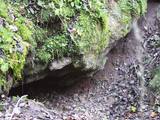 |
The castle hill of Rasnupļi (Opiņķi) is a significant place on the foot of the hill inhabited by ancient Latgalians.
You will notice Velna ala (Devil’s cave) also called small Staburags of Latgale (ancient cult place)
in the right side of the Vīce river. It is a small natural geologically unique formation (length – 3m, width –
2m, high – 0,6m). There are only two such caves in Latvia. There are 5 – 6 m long stalactites.
|
|
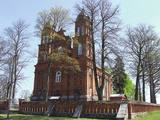 |
Sts. Simon and Judas the Apostles Roman Catholic Church of
Prezma. The brick stone church with its two towers was built in 1859.
The Monument of National significance.
|
|
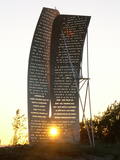 |
In Ošvalki, which is between Jūrkalne and Sārnate, there is a commemorative sign, “Sail of Hope,” which commemorates Latvians who sought to cross the Baltic Sea to Sweden during the latter period of World War II in 1944 and 1945. The sign is in the dunes between the road and the sea. |
|
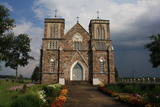 |
Atrodas skaistā vietā – Elernes loka ziemeļdaļā, Daugavas senielejas malā. Mūsdienās redzamais dievnams celts no tēstiem laukakmeņiem iepriekšējo vietā laikā no 1934. - 1961. gadam. Pēc baznīcas uzcelšanas padomju vara tajā izvietoja klubu, tādēļ draudze baznīcu atguva tikai 1989. gadā. Šīs vietas agrākais nosaukums – Naujene (Novene) ir lietuviešu cilmes. Savukārt, Juzefovas vārds cēlies no vietējā muižnieka Juzefa (Jezupa) Šadurska. |
|
 |
This beautiful garden of practical ideas offers colourful flowers and a wide collection of coniferous trees which visitors can visit all year long. Behind the house are a vegetable garden and a group of greenhouses. |
|
 |
Organically certified farm. Produces greens, vegetables, micro-greens, vegetables and berry powder (gauze, balanda, dandelion, nettle, driven). Grown all year round. Offers product delivery in Riga, Valmiera, Cesis and Sigulda. |
|
|
|
Tas atrodas pie „Burtnieku” mājām Īlē, kur viņš dzīvojis no 1837. – 1845. gadam. Tēvs Juris Barons apglabāts Īles kapsētā. Savu vārdu nemirstīgu Krišjānis Barons darījis, vācot, sistematizējot un sastādot Latvju Dainu krājumu. Tautasdziesmas jeb dainas ir mazi, ritmiski dzejolīši, parasti četrrindes. Pie Latvju dainu vākšanas Barons pavadījis sava mūža lielāko daļu – apmēram 25 gadus gandrīz dienu pie dienas. |
|
 |
Viens no jaunākajiem Latvijā celtajiem mūra tiltiem. Tā akmens margas ir barona Karla fon Manteifeļa dāvinājums (celts 1907. gadā) Aizputei. Tilta ziemeļu puses margās ir iemūrēta granīta plāksne ar Manteifeļu dzimtas ģerboni, kas ir vāji izšķirams. |
|
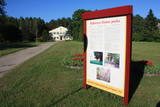 |
The Rubeņu (Rubenes) park dates back to the mid-1950s and is toward the north of Rubeņi, on the banks of the little Dzirnavupīte River. There are beautiful ponds, a stage, a rock garden and a playground for the kids. The cultural centre that is alongside the park features a monument to the poet Rainis which was unveiled during Poetry Days in 1969 and was produced by the sculptor Kārlis Baumanis. |
|
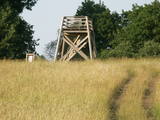 |
Here the visitor will find an ecological tourism trail in the ancient Embūte valley. The hills around Embūte date back to the Ice Age. There are valleys and forests of many fallen trees which are protected habitats. The visitor will learn about important natural and cultural monuments – the Embūte castle hill, as well as the ruins of a baronial estate, a castle and a church. The Courlandian chieftain Indulis died in the region. The visitor can view the Devil’s Dam, along with meadows, a viewing tower, etc. There are bicycler routes in the region. The site is located in the Embūte nature park. |
|
 |
The beautiful, tidy and artfully laid out farmstead is situated in Jaunpiebalga district. The farmstead is naturally encorporated into the landscape, the old barn is renovated and its top floor is a place for the owner’s workshop and exhibition (she is a softwares artist). The old log house has also been renovated, and the sauna has been rebuilt. A small river flows through the farmstead, and there is also a Tuleja mound on the territory, which is a natural landmark protected by the state. |
|


