
| No | Name | Description |
|---|---|---|
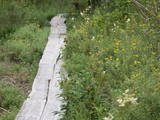 |
Teritorijas apskates nolūkos ir izveidota un labiekārtota dabas izziņas taka. Dabas liegums atrodas Abavas senlejas dabas parka teritorijā. Taka iepazīstina ar vienīgo krūmu čužas savvaļas augšanas vietu Latvijā. |
|
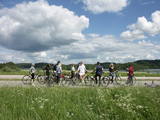 |
This park is found in the Otepää highlands and offers an outstanding example of how the terrain of a protected natural territory can be used for recreation, sports and active leisure. The infrastructure of the park is perfect for such activities and is of a high level of quality.
|
|
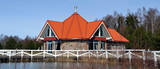 |
Pirts noma, izmitināšana, ēdināšana, banketu zāles noma, internets, makšķerēšana, volejbola laukums. |
|
 1 day
|
Guided wilderness experience day-trip combines bog shoeing and canoeing. First is walking through the forest and reaching the largest peat-bog in Estonia – Kuresoo. Wear bogshoes and walk on the wild landscape, followed by wilderness lunch. The trip ends with a relaxing canoe trip along Soomaa meandering rivers. |
|
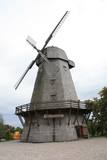 |
The windmill was built between 1867 and 1869 after a design first produced in the Netherlands. Its name is that of its first owner – Riba. The windmill is one of the best preserved architectural monuments of its type in Latvia, and it offers an educational exhibition, “The Path of the Grain.” It talks about the development of agriculture in Zemgale and about grain farming and the baking of bread. Guided tours are available. The windmill is part of the Rožmalas leisure complex, which features a hotel and a restaurant. |
|
 |
"Anima Candles" sveces ir roku darbs. Svecēm pieejami vairāki dizaini, kas variē gan krāsās, gan izgatavošanas metodē. Krāsu un smaržu klāsts ir plaši pieejams. Tās izgatavotas no pārtikas rūpniecībā izmantojamā parafīna vai ekoloģiskās sojas. Sveču ražotnē tiek piedāvātas sveču liešanas meistarklases.
|
|
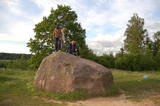 |
The rock is not too big (2.1 m high, 15 m in circumference), but since the early 20th century it has been a popular tourist destination. There is a lovely view of the
|
|
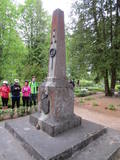 |
The monument is in the Bērtuļi cemetery and has a brass plaque that reads “With deep thanks to fallen heroes of the Latvian people. The 10th Rūjiena Vanagi district.” On the other side of the monument, the words “God, Fatherland, Nation” are engraved. The monument was restored in 1989. |
|
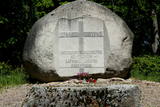 |
Along the A9 road and 500 metres from the turn in the direction of Rīga in Lestene is a memorial by Ojārs Feldbergs which was set up in 1991 in the former Rumbas homestead to commemorate defenders of the Kurzeme fortress. Despite the fact that the Soviet forces were ten times larger, the Latvian troops allowed some 300,000 Latvian war refugees to escape the horrors of the Soviet Union. |
|
 |
The park was established to protect the Venta River valley and the landscapes that are around its tributaries. On the west bank of the Venta, at Papilė, there is a cliff from the Jurassic period which is unique in the Baltic States, has been known since 1925, and has layers in which more than 300 forms of life have been identified over the course of time.
|
|
 |
Atrodas Rendā, pie tilta pār Abavu. Mazs, jauks krodziņš, kas atrodas vēsturiskā ēkā ar patīkamu interjeru. Piemērota maltītes ieturēšanas vieta ne tikai tiem, kas pārvietojas pa ceļu, bet arī Abavas laivotājiem. Strādā g.k. vasaras sezonā. |
|
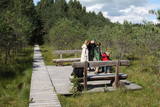 |
Varniku mežā (Varnikų miškas) ir izveidota patiesi interesanta dabas izziņas taka, kas iet cauri dažādiem biotopiem – skujkoku un ozolu mežiem, purvainu mežu un sūnu purvu ar akačiem un nelieliem purva ezeriņiem, kur uzceltas divas skatu platformas. Mitrajās vietās un purvā ir izveidotas koka laipas. Šī ir populāra pastaigu vieta. Taka ir lokveida un marķēta. Tās apskatei būs nepieciešama ~ pusotra stunda. |
|
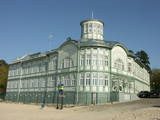 |
Jurmala town (the second largest in Latvia) was founded in 1959, by combining Kemeri and Sloka towns in the Riga city Jurmala district. It stretches 32 km along the coastal line of Gulf of Riga. Jurmala resort once was one of the most important objects of this type in the Northern Europe. This was facilitated by the development of local and interstate transport and traffic (coaches, steamers, train). The first guests was accommodated in Dubulti, where in 1834 the first hotel was built, but in 1847 - The first wellness centre. In the 19th the first medical institution launched. Starting from 1834 the rapid construction of summer cottages began. Development of the resort was ended by the World War I. After the war the number of resort vacationers boomed from 12 thousand (in 1920) to 32 thousand (in 1935). Kemeri resort developed along with Jurmala, which received a massive of vacationers' amount during the Soviet period. |
|
 |
This guesthouse offers country tourism services and is in a lovely part of Žemaitija next to the little Virvīte River. Guests can enjoy swimming, kayaking, biking, fishing in the ancient river, and tours of historical locations in the region. The guesthouse also has a museum of antique motorcycles. |
|
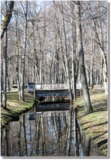 |
Vēršupīte is a small river which curves through the
town of Ķemeri and has more than 10 small and
romantic bridges across it – each with its own name.
|
|
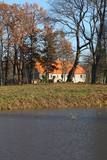 |
The residential building was erected in the early 18th and renovated in the middle of the 19th century. Restoration of the manse and its ancillary buildings is continuing even today. Since September 2009, the Latvian Evangelical Lutheran Church has housed its Recollection Centre at the manse. The ruins of an old stable can be seen. |
|
 |
The farm breeds historical Portuguese Lusitano breed horses, Shetland ponies, other horses from Europe, Ango Nubian goats, sharp wool sheep from Lithuania's genetic fund, and a large group of various fowl. Visitors will learn all about the animals and their origin and be given a chance to ride horses and ponies, as well as to observe the animals. |
|
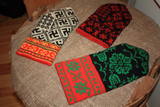 |
The basic exhibition at the museum, “Traditions Related to the Sewing and Wearing of Bārta Folk Costumes From the 19th to the 21st Century”, features folk costumes for unmarried and married women, as well as for men, emphasising the diversity of elements therein. Visitors can help to embroider or weave blouses. The Bārta Ethnographic Ensemble offers two educational programmes – “The Bārta Folk Costume” and “Singing Women From Bārta”. |
|
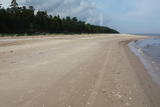 |
Ģipka is a village that once was the site of the first maritime school in Kurzeme. It was opened in 1869, just a few years after a similar school in Ainaži. This was a Category 2 maritime school, which trained helmsmen for long-distance trips and captains for short-distance trips. The school was moved to Mazirbe in 1894. Before the maritime school, the building housed a different kind of school, and a second floor was added in 1867 specifically for the maritime school. Today this is a residential building. During 28 years, the school trained more than 200 professional sailors, and it was of great importance in facilitating ship building in shoreline Liv villages. (Source: Roja TIC) |
|
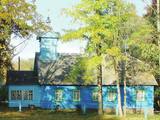 |
Štikāni Old-Believers Prayer House. The construction works of the church were held in 40s of the 20
th century on the site of the previous church built by brothers Rogozini. You should see Gospel (the protected
art object).
|
|


