
| No | Name | Description |
|---|---|---|
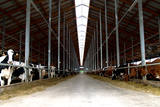 |
AS Agrofirma Tērvete is the largest multi-sector farming company in Latvia, operating in crop farming, dairy farming, horse breeding, public dining, biogas manufacturing and brewing of beer. Visitors can tour a brewery and the farm. The brewery produces popular Tērvete beer and kvass. Visitors can taste the products and take a small tour of the facilities. All of the types of beer can be tasted with delicious snacks. The Tērces farm is a dairy farm with modern technologies and 3,000 dairy cows. Visitors can tour the facility and have lunch at the company’s dining hall. |
|
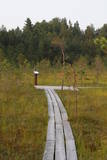 |
The small Andrupene swamp is found to the North of the Andrupene Farm Museum in a deep area between hillocks. It is a high-type swamp with an open central part, and it is 130 m long and 120 m wide. There are stands of white alder alongside the swamp. In 2009, the administrators of the Rāzna National Park restored a wooden educational pathway that had been established originally by the Andrupene Elementary School. Today there are stairs, a viewing platform, wooden pathways, and information stands. |
|
 |
Based on the tower of a former Soviet army radar installation, there is an 18-metre viewing tower at the Southern breakwater of Ventspils (Medņu Street) today. The tower offers a good view of the port territory, with the sea gate at the mouth of the Venta River and the city beach. Binoculars are available at the tower. It is worth walking down the Southern breakwater to get a better look at the sea.
|
|
 |
The restaurant and deli is located in Cēsis, on the way from Valmiera. Modern interior, relaxed atmosphere and delicious dishes from the produce of local farmers. The menu is rich not only with meat and fish dishes, but also with a wide range of vegetarian dishes. |
|
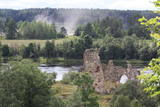 |
Found on the right bank of the Daugava where the little Karikste river flows into the Daugava, all that remains of the castle today is a set of ruined walls and foundations. The castle was built by the Livonian Order in 1224, and it was inhabited until the mid-17th century, when it was sacked during the Polish-Swedish war. The ruins offer a good view of the local gravel road that goes along the right bank of the river valley.
|
|
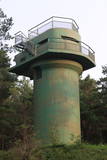 |
The battery is to the South of Ventspils, not far from the Piejūras Park. Work on the battery began in 1939. Today the site is a complete mess, standing out in a negative way from the tidy city itself. People seeking building materials and ferrous metals helped to tear the place down. It’s too bad that this historical location – one that might be of interest to tourists – is in such sad shape, and right at the gates of the city, to boot.
|
|
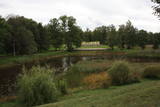 |
Dundagas pili ieskauj parks, kura pirmsākumi ir meklējami jau 17. gs. Tam cauri tek Pāces upīte, kuras uzdambējums veido Dundagas dīķi. Tajā atrodas senatnē (vēl pirms pils būvniecības) mākslīgi veidota sala - Kalnadārza pilskalns. Tam iepretim (dīķa austrumu krastā) atrodas Dundagas pilskalns. Parkā joprojām zaļo (daži lielākie zari ir nolūzuši) t.s. “Rubļa ozols”, kura attēls bija uz 1919. g. izdotās Latvijas simts rubļu naudaszīmes. Parkā uzcelta estrāde. |
|
 |
Meklējams pie Pāvilostas tilta pār Saku (Meža iela). Te apskatāms 2005. g. restaurētais un uz postamentiem novietotais Pāvilostas zvejnieku kuģis, ar kādu tie zvejoja pagājušā gadsimta 50. – 60. gados. Šāda tipa kuģus būvēja Vācijas Demokrātiskajā republikā. |
|
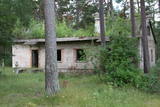 |
This is an abandoned facility that is no longer used. The coast guard facility is in the forest, around 600 metres from the sea. There is one building right on the shore.
|
|
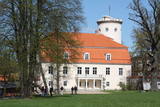 |
The history of Cēsis begins at the Riekstu hill, which is 18 m high and the surrounding area. There was a wooden castle built by the Vendian tribe that stood there from the 11th to the 13th century. The hill is in the central part of the castle’s park, and it offers a fine view of the park, a pond and the ruins of the Cēsis Castle. A long staircase leads to the hill. The Cēsis Castle was built in the early 13th century as the residence of masters of the Livonian Order, and it was one of the most fortified forts in the Baltic region. Alongside is the New Cēsis Castle, which was built in 1777 in a place where gate fortifications had been before. The building houses the Cēsis Museum of History and Art, and an annex contains the Castle Visitor Centre and the Cēsis Tourism Information Centre. From the tower of the castle, we get a good view of the castle ruins, St John’s Lutheran Church and the northern stretches of the city. Opposite the new castle is the stable of the Cēsis Castle Estate and a wheelhouse (both from the first half of the 19th century). Today these house the Cēsis Exhibition Hall. Other buildings include a granary, a hut for coachmen and an old brewery. On the other side of the street is the romantic May park, which was installed during the 1830s. Streets in Cēsis include Lielā Katrīna, Mazā Katrīna, Mazā Kalēju, Kalēju and Lielā Līvu streets and Līvu square with wooden buildings from the late 18th and early 19th century. Torņa Street stretches along the walls of the Medieval castle. Outside the church is a sculpture, “As the Centuries Pass By,” and legend has it that anyone who rubs the lantern of the Old Time Man can see the future. One of the most impressive buildings in Cēsis is St John’s Lutheran Church, which was built in the late 13th century by the Livonian Order. The Roman-style three-segment basilica has elements of Gothic design and a 65 m steeple that was installed in 1853. The building was reconstructed several times during the 20th century and contains grave plaques relates to masters of the Livonian Order and local bishops. The pulpit dates back to 1748, the oak altar was manufactured in 1858, and the altar painting “Crucified One” was painted in 1862. The windows of the altar part of the church contain artistically valuable stained glass. The organ was manufactured in 1907 by the E.F. Walker firm, and it is one of the best concert organs in Latvia. The solar clock with the number 1744 is in the south-wester corner of the church. It is worth scaling the viewing tower of the church. At its foot is Rose Square, which was a market square from the mid-13th century until 1927 and was restored in 2008. This is the central square in the city. During the Middle Ages, a punishment pole and the city well were here. Rīgas Street has been the main street in the old part of the city from the very start, and here we find most of the architecturally distinguished buildings from the 18th and 19th century – the former city hall, the Fābers house and the Princess house. At one end of the street is Liv Square, where there a church, cemetery and the Rīga gate in the city’s walls existed in the 13th century. Today the square is decorated by a lighted fountain at a place where a well was found in the 13th century. On the other end of the street we find a reconstruction of the foundations of the Rauna gate from the 14th and 15th century, offering a good look at Medieval walls and the size and strength of the gates. It is commonly claimed that the national flag of Latvia was born in Cēsis, but it must be emphasised that the flag that is mentioned in chronicles was designed in Cēsis in 1279 as the ideological prototype of the current Latvian flag, while the story of the first national flag actually comes from Valmiera, where it was sewn in 1916. |
|
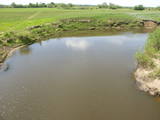 |
The Dviete Wetlands Nature Park contains a unique natural territory – the ancient Dviete River valley with the Lake Skuķi and the Lake Dviete and the surrounding wetland meadows. During flooding season, these wetlands store up waters from the Daugava River. They absorb a lot of floodwater at first and then slowly return it, thus reducing the level of floods in the Daugava River valley. This process is the reason for the unique ecosystem which exists in this area. It is an important location for plants and birds both during migration and nesting season. The river valley is important for birds during migration and nesting. In 2006, wild cows were released into the meadows. There is also work to improve the tourist infrastructure in the area. |
|
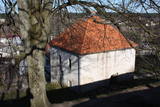 |
The Old Town of Kandava is located around the old Market Square and dates back to 1881, after a fire in the town. The urban environment in Kandava is made up of farms with various buildings, closed yards, passageways and walls made of fieldstones. These can be seen in Talsu Street and Sabiles Street. Uncommon for Latvia is Lielā Street. At the foot of the Bruņinieku Castle Hill is a model of the Castle of the Livonian Order that was created in 2010. |
|
 1 day
|
Dodieties ekskursijā, lai gūtu ieskatu lauku profesijā un dzīvesveidā, kā arī iegūtu jaunus iespaidus un labu atpūtu visai klasei. Ekskursijas laikā apciemojiet koka skulptūras Vienkoču parkā, kur iespējams iepazīties arī ar koka amatniecību un sameklēt dārgumu lādi. Vai arī apmeklējiet vienīgo vietu Baltijā, kur var iepazīties ar cilvēku dzīves apstākļiem pirms vairāk kā 1000 gadiem. Pēc tam apmeklējiet zemnieku saimniecību, kurā no cidonijām ražo sukādes, marmelādes, sīrupus un citus labumus, un pļavās ganās savvaļas zirgi. Ekskursijas noslēgumā dodieties uz Porcelāna fabriku, lai varētu padarboties apgleznošanas darbnīcā un iepazīties ar ražotni. |
|
 |
Cafe Vizbuļi atrodas Bērzciemā, Engures novadā, apmeklētājiem piedāvā nobaudīt gardu maltīti, svaigi ceptas smalkmaizītes, izbaudīt Bērzciema jūru, atpūsties un relaksēties. Ziemas sezonā kafejnīca atvērta tikai nedēļas nogalē, vasaras sezonā - katru dienu, ir āra terase. |
|
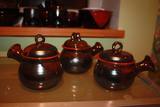 |
The craftswoman is prepared to offer practical activities which allow you to learn about clay, use a potter’s wheel, and release your inner creative abilities. After the firing of the products in a kiln, you will be able to take them along as a fine souvenir which confirms our newly discovered skills. The craftswoman also grows herbs and teas which you can sample. |
|
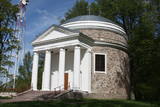 |
In the 15th century, Preili manor became the property of Count Borhs family. Borhs were living here until the 60ties of 19th century. The city itself formed in the first half of the 19th century by fusion of Preili Manor, the village and free village - settlement of traders and craftsman. In the 19th century a luxurious palace was built in Preili and Landscape Park was created. Today Preili is an important economic centre of Latgale (cheese and sewing plants), where t folklore, crafts and Catholicism traditions are fostered. Preili tour in the guidance of TIC employee Irena Kjarkuza is highly recommended. |
|
 |
Četrus kilometrus gara marķēta lokveida taka, kas ved pa lielāku meža masīvu, iepazīstina ne tikai ar augiem un dzīvniekiem, bet arī mežsaimniecības tradīcijām. Takas sākums atrodas pie nelielā Perejerves ciema, uz kuru paveras labs skats no tuvējā paugura. Pie autostāvlaukuma izveidota atpūtas un piknika vieta. |
|
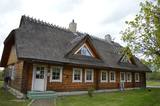 |
Tihuse farm on Muhu Island is engaged in horse breeding; this place also offers authentic food and a special menu for people with various food intolerances. It is very popular to take a horse ride, followed by a picnic. Lentil cakes are our special treat. |
|
 |
Interesanta dažāda vecuma ēku ieskauta gājēju ieliņa (gājēju daļa ~ puskilometrs), kura var novērot pilsētas arhitektūras stilu attīstību no 17. - 20. gs. Šeit tāpat kā citur Kuldīgā var apskatīt un nofotografēt pilsētai raksturīgos virsgaismas lodziņus un greznās un daudzveidīgās ēku durvis. Te vērts pasēdēt arī krodziņā! |
|
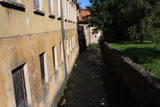 |
This is a unique small town in a certain sense, and it is the only one in the Baltic States which has remained in place since the 17th and 18th century. The town is around the small Alekšupīte River, and in some places the stream runs along the walls of the buildings. Because of this fact and the many bridges that are in town, Kuldīga has become known as “the Venice of Latvia.” Baznīcas, Liepājas, Kalna and other streets are full of interesting cultural monuments. |
|


