
| No | Name | Description |
|---|---|---|
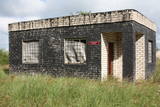 |
The Lūžņa radio equipment company was part of the Naval Border Guard in Soviet Times. The car park in the centre of Lūžņa offers a fine view of the former military complex. Some buildings are used as apartment buildings at this time.
|
|
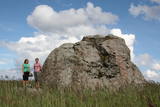 |
Auf der Küste der Halbinsel befinden sich sowohl ehemalige Fischerdörfer, als auch die Reste eines Militärstützpunkts der Sowjetarmee. Großartige von den Gletschern des Eiszeitalters eingebrachte Feldsteine. |
|
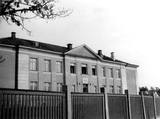 |
The roots of Saulkrasti Secondary School reach back to Pabaži, to 1912, when a young teacher – Olga Veicmane (after marriage: Cīrule) arrived from Riga to teach the sea captain Reisons’ daughter. Soon many other tutor-seekers joined her and in autumn of 1912 a school was established in Pabaži. The school had a good reputation, and pupils came from the entire surrounding area. In January of 1913, the school was moved to more spacious premises at 20 Rīgas Street. |
|
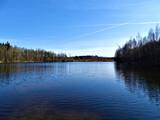 |
Neskartu mežu cienītāji var doties izpētīt Plakanciema puses mežu takas. Braucot no Plakanciema pasta nodaļas Mellupu virzienā pa autoceļu V7, pēc aptuveni 1 km jānogriežas ceļā pa labi. Tālāk jādodas uz priekšu vēl 1,2 km. Maršruta sākums - iepretī mājām “Putriņas” ceļa kreisajā pusē, kur sākas meža ceļš. Sākumā maršruts ved pa taisnu meža ceļu. Pēc 500 m nonākam pie ūdenskrātuves (karjera). Šeit ir iespēja doties vai nu gar vienu ūdenskrātuves krastu, vai gar otru. Abās pusēs var aiziet aptuveni līdz ūdenskrātuves pusei un tad griezties atpakaļ. Krastā augošos kokus iecienījuši bebri. Ūdenī peldas pīles, meža ceļa malā vairāki skudrupūžņi, no sakritušo pērno lapu apakšas lien ārā zaķskābenes. |
|
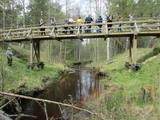 |
A bridge for pedestrians and bicyclists, which is on the border of the Slītere National Park. |
|
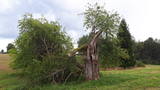 |
This is the thickest European wild apple tree in Latvia. It is just lovely when it is blossoming.
|
|
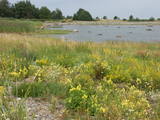 |
This is an entirely forested island in the Bay of Finland, ~14 km from Tallinn. A network of small pathways covers the entire island. Recommended hike along the seashore of the island, which will offer dunes, as well as a coastline that is sandy in some parts, rocky in others, and covered with reeds in still others (~9 km). A ferry boat will take you to the island from the Pirita port.
|
|
 |
Viens no jaunākajiem Latvijā celtajiem mūra tiltiem. Tā akmens margas ir barona Karla fon Manteifeļa dāvinājums (celts 1907. gadā) Aizputei. Tilta ziemeļu puses margās ir iemūrēta granīta plāksne ar Manteifeļu dzimtas ģerboni, kas ir vāji izšķirams. |
|
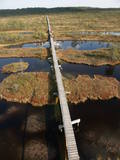 |
This reserve was set up to protect local swamps and surrounding wetlands. Please note that before you can visit the reserve, you must register with the local administration and visitor centre in the village of Tooma.
|
|
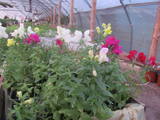 |
The farm grows and offers vegetables, annual and perennial flowers for gardens, as well as decorative bushes and trees. The owners will design gardens and other green areas, sell saplings and accept commissions for the growth of saplings. You can learn all about the secrets of growing decorative plants and receive advice from the owners. |
|
 |
Boutique Hotel Altenburg mājo vairāk nekā divus gadsimtus senā koka ēkā, kas ir viena no ievērojamākajām Talsu vecpilsētas arhitektūras pērlēm. Kādreiz gandrīz pamesta un nolaista, šī ēka piedzīvojusi rūpīgu restaurāciju, atgūstot savu šarmu un vēsturisko stāju. Viesnīcas interjers ir harmonisks līdzsvars starp wabi-sabi pieeju, rustikālu eleganci un dabiskām faktūrām — te dominē koks, akmens un lins. Katrā telpas detaļā jūtama pārdomāta izvēle un cilvēciska piesaiste. Dizaina koncepciju radījis Roalds Cinis, bet apdari papildina vietējo meistaru roku darbs: “Ciparnīcas” keramikas trauki, darināti pledi un Latvijas tējas. Viesiem piedāvāti seši divvietīgi numuri, koplietošanas virtuve un mājīgs salons, kā arī klusas lasīšanas vietas ar grāmatām un mazs vīna pagrabiņš. Boutique Hotel Altenburg atspoguļo lēnās dzīves filozofiju — tā ir vieta nesteidzīgai atpūtai, klusumam un pievēršanās sev. |
|
 |
Saimniecība piedāvā zirgu izjādes (ratos un mugurā), iespēja apskatīt dzīvniekus lauku sētā (zosis, vistas, truši, teliņi, kazas, aitas, suņi un kaķi). Pļavas ar ārstniecības augiem, mežs, dīķis, stārķu koks. Sarunas par dzīvi ar saimniekiem. Rīta rasas skaistuma procedūras, "varžu koris", tējas baudīšana seno ābeļu paēnā, ārstniecības augu vākšana kopā ar saimnieci. Telšu un piknika vietas (līdz 20 cilvēkiem). |
|
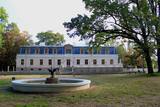 |
Žagare has long since been known for a special type of cherries. There are various varieties which only differ in terms of when they are ripe and productive. There are different types of trees. The cherries grow at nearly home, and that is an exclusive symbol of Žagare. |
|
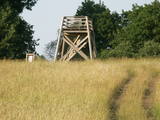 |
Here the visitor will find an ecological tourism trail in the ancient Embūte valley. The hills around Embūte date back to the Ice Age. There are valleys and forests of many fallen trees which are protected habitats. The visitor will learn about important natural and cultural monuments – the Embūte castle hill, as well as the ruins of a baronial estate, a castle and a church. The Courlandian chieftain Indulis died in the region. The visitor can view the Devil’s Dam, along with meadows, a viewing tower, etc. There are bicycler routes in the region. The site is located in the Embūte nature park. |
|
 |
Ainavisks, ap 340 m garš un līdz 15 m augsts atsegums, kas atrodas nepilnu kilometru lejpus Raunas ietekas Gaujā, kreisajā pamatkrastā. To veido sarkandzeltenīgi Gaujas svītas smilšakmeņi. Gar Kazu ieža austrumu daļas pakāji izkaisīiti vairāki lieli laukakmeņi, kas ērti iekārtojušies uz smilšakmeņos izskalotas pamatnes. |
|
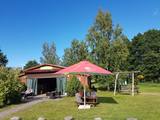 |
Kafejnīca "Stieres" atrodas Jūrmalas – Kolkas ceļa (P 131) malā – kempinga „Stieres” teritorijā. Piedāvā mājas virtuvi visām ēdienreizēm. Maltīti gatavo no Latvijas zemnieku audzētiem dārzeņiem, salātiem, zaļumiem. Zivju ēdieni ir no vietējo zvejniecības uzņēmumu ķertā vai pārstrādātā loma. Piedāvā dažādu svinību galdu klāšanu. Latviešu virtuve: Aukstā zupa, siļķe ar kartupeļiem un biezpienu, kartupeļu un plānās pankūkas, rosols, vietējo zemeņu zupa.
|
|
|
|
The town's name in historical sources was first mentioned in 1224. In 1340 Archbishop of Riga built a stone castle at the Latgalian hill fort (now - the Lutheran Church). In 1802 (owned until 1920) Vecgulbene estate was bought by Baron G. Wolf. Manors in the surroundings of Gulbene and Vecgulbene castle substantially suffered during the Revolution in 1905 and in the further historical events. Today, there is a substantial change in the landscape, especially in the area of White Castle, where a large-scale restoration works occurred in recent years. Either way, - Gulbene is the place worth visit to get new impressions and knowledge. |
|
 |
Visitors are welcome to this ecological cattle farm to learn about its history and operations. The farm offers the "Aubraki" breed of cattle, oats, spelt and forest berries. You can buy fresh and aged beef that is ecological, as well as the berries. |
|
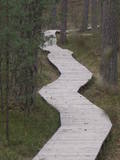 |
One of the most attractive and informative nature trails in the environs of Rīga. It leads the visitor around the 17-metre Ragakāpa dune, which is most interesting. People can learn about the habitats of the dune areas and the plants and animals of the area. Some of the pine trees are as much as 100 years old and more. The trail is 2km long in each direction and will take some two hours to traverse. This is part of the Ragakāpa nature park.
|
|
 |
Latgale rehabilitation centre „Rāzna”. The rehabilitation centre „Rāzna” is built on a small hillock at
Lake Zosna. Sanatorium „Rāzna” is surrounded by many trees. Originally, the house was built as a summer
house for artists. The centre is an architectural monument of local importance.
|
|


