
| No | Name | Description |
|---|---|---|
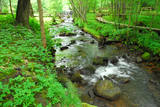 |
A pathway of wooden trails and little bridges, featuring the most beautiful part of the Ieriķupīte river, with several waterfalls, an old windmill, a unique millwheel, and various areas of obstacles for active people in the company of a guide.
|
|
 |
The Lapmežciems People’s Centre was
built in 1957 and is home to the local
administrative district’s council at this time.
|
|
 |
Sēlijā, 5 km attālumā no Aknīstes, mājā "Skārdupītes" atrodas biedrība “Sēlijas laivas”. Kamēr teritorijā vēl tikai tiek attīstīta aktīvā tūrisma bāze, jau tagad viesiem tiek sniegts ieskats laivošanas kultūras attīstībā, kā arī ir iespējama dažādu laivu veidu noma un laivošanas tehnikas apmācība. Papildus: vides gida pakalpojumi ar iespēju laivojot iepazīt upes ekosistēmu, floru un faunu. |
|
 |
Located in the Līva Hotel in Old Liepāja, the restaurant offers Latvian and global cuisine. It has an herb garden to produce ingredients for the dishes. Latvian cuisine: Low-salt herring with cottage cheese, stuffed crepes, potato pancakes, sautéed pork ribs, venison with juniper berries, roast leg of duck, roast filet of pike-perch with grits, smoked herring filet. Special foods: Smoked cod with potatoes, onions and dill in a ceramic ramekin. |
|
 |
Pilsētas aizsargdambi upes labajā krastā (1830. - 1841., autors kara inženieris P. Meļņikovs) cēla ar mērķi aizsargāt pilsētu no applūšanas. Dambis stiepjas 5,6 km garumā. Pēc 1922. g. postošajiem plūdiem uzsākta aizsargdambja celtniecību arī Daugavas pretējā - kreisajā krastā. |
|
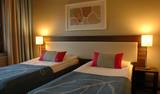 |
Spa Hotel Lohja is located in a beautiful place near Lake Lohja, surrounded by peaceful nature. This place has a lot to offer, there is wide range of things you can do while you are here, for example, you can rent a bicycle or/and a boat, go to the gym, play mini-golf, swim and much more. |
|
 12 days
|
This route includes some of the most authentic experiences that can be found in the regions of blue lakes in eastern Latvia and Lithuania. No masses of tourists are here, and local residents are sincere and hospitable. You will find traditional villages, many religious objects and farms that represent agricultural heritage. You will ride through the Rāzna National Park, which is alongside the lovely Lake Rāzna. You will visit traditional farms and ancient castles, as well as the Aglona Basilica, which has been a destination for pilgrims for many years. There is also a bread museum in Aglona. From there you will ride through Daugavpils, which has an impressive 19th century fortress that includes the Mark Rothko Art Centre. Along the way you will find potteries where traditional ceramics are offered. You will learn more about breeding horses and cows, as well as about how traditional cheeses are made and herbal teas are prepared. Next you will ride through the Aukštaitija National Park that is on the border between Latvia and Lithuania. You will see ethnographic villages with wooden castles, as well as many lakes. It is worth visiting the Stripikiai Beekeeping Museum, the local open-air art museum, as well as the European Centre. To be sure, you will enjoy local Lettigalian beer, as well as zeppelins, which are a traditional dish in Lithuania. |
|
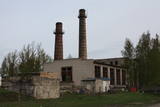 |
The boiler house of Karaosta has been used for decades to ensure heat for the city of Liepāja. Although it is part of the heating network, the facility is not guarded and has largely been abandoned.
|
|
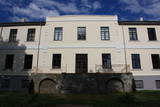 |
Atrodas stāvā Tebras (Dzirnavdīķa) ziemeļu krasta augšdaļā (Skolas ielā 1). Ēka celta 19. – 20. gs. mijā kā Aizputes muižas jaunā kungu māja. Tajā atrodas Aizputes novadpētniecības muzejs (no 1999. g.) un Aizputes TIC. Ekspozīcija par Aizputes pilsētas un apkārtnes vēsturi tiek pasniegts saistošā veidā, ļaujot apmeklētājiem iejusties vairāku gadu desmitu seno notikumu atmosfērā. |
|
 |
The café is in the market square of Vecpiebalga, opposite the Lutheran church. It works with local farmers and sells products from a local smokehouse. |
|
 |
Atrodas Vecpiebalgas dienvidaustrumdaļā aiz baznīcas. 1340. - 1365. g. Rīgas arhibīskaps šeit uzcēla pili - cietoksni, ko apjoza aizsarggrāvji (atliekas redzamas arī mūsdienās). Pils ziemeļu pusē atradās priekštilta nocietinājumi, bet austrumdaļā - pils galvenā ieeja un tornis. Pili postīja 1577. g., bet pilnībā sagrāva 18. gs. |
|
 |
The company has a history of more than 40 years, and today it is a competitive dairy processing company at the Baltic level, producing milk, kefir, cottage cheese, yogurt, butter, cheese and other dairy products. A store alongside the factory sells the products, and Valmieras Dairy is one of five companies in Latvia that can manufacture an EU guaranteed traditional product, "Summer Solstice Cheese". |
|
 |
The watermill was restored in the 1920s and renewed operations in 1992. It offers a look at historical mechanisms and the milling process, while the café offers pancakes made of the flour that is ground at the mill. Latvian cuisine: Herring with cottage cheese and boiled potatoes, pancakes with mushrooms, cheese, vegetables, meat, honey, cream, cottage cheese, ice cream and caramel. |
|
 |
Ja no Pervalkas (Pervalka) pa Kuršu jomas krastu ar kājām (neliela taka) dosimies Klaipēdas (ziemeļu) virzienā, pēc 10 – 15 min gājiena nonāksim līdz Arkļu ragam (Arklių ragas, citās kartēs – Žirgų ragas), kam iepretim ~ 0,2 km attālumā no krasta uz mākslīgi veidotas akmeņainas salas slejas 14 m augstā bāka. Tā celta ~ 1900. g. vietā, kur savienojas trīs kuģu ceļi no Klaipēdas, Nidas un Ventes raga (Ventės ragas). No šejienes paveras fantastisks skats un Nagļu dabas rezervāta iespaidīgajām kāpām. |
|
 |
The history of Līgatne cannot be separated from the paper factory which was once the only factory of its kind in Latvia. Tours are available in the company of a guide. During the late 19th and early 20th century, the company built homes, a school, a birthing centre, a hospital, a club, a guesthouse and other buildings for its employees, and most of these buildings have survived to this day. There are more than 200 interesting underground passageways which are still used as warehouses for various items, including vegetables. |
|
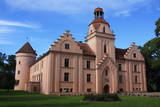 |
This convent-type castle was built in the mid-13th century by the bishopric of Piltene. Annexes were added in the 16th and 19th centuries to create a typical internal courtyard. The Neo-Gothic forms of the castle’s façade date back to the 1830s. From the 16th century to the 1920, the castle was owned by the noble Behr family. After it was burned down during the 1905 Revolution, the castle was rebuilt in two years’ time. The castle is known for ghost stories, tales of elf weddings, and stains of blood in the Red Room that are supposedly the result of a murder. A fireplace was built to hide the stains, but they reappeared. Since the privatisation of the castle, the interior has been restored with halls and cellars that are decorated with elements that are typical to the castle. Its rooms and viewing tower are open to the public. In the park, visitors will find the Alley of Love and the elf oak tree. |
|
 |
This territory in the northern part of the Dzūkija Highlands with lots of hillocks and lakes. The most interesting tourist destination is Velnio duobė (Devil’s Flowerbed) – a funnel-shaped hole that is up to 40 m deep and 200 m wide and is thought to have originated during the Ice Age.
|
|
 |
Dvietes un netāli esošais Skuķu ezeri ir vieni no teritorijas grūti pieejamajiem palieņu ezeriem – lielākie šāda tipa
ezeri Latvijā. Palu laikā pārplūst, savienojoties vienā lielā ūdenskrātuvē.
|
|
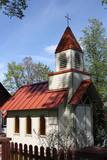 |
Preiļos, blakus viesu namam „Pie Pliča” (Raiņa bulvāris) ikviens var apskatīt un ieiet Latgales un Latvijas mazākajā dievnamā – kapelā. |
|
 |
The former Ķemeri swimming facility used
to have a building of wooden bathtubs in the
19th century. The mud treatment facility which
is designed in the style of Classicism was
erected in 1924. The Ķemeri clinic was opened
here after World War II. A monument to Ivan
Pavlov, a distinguished Russian doctor and
physiologist is on the western end of the ruins,
and no one has taken much care of it, either.
|
|


