
| No | Name | Description |
|---|---|---|
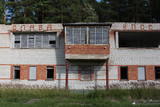 |
The firing range at Skujnieki was once used for summer sports, as well as training in the use of firearms. The Defence Ministry still uses the facility from time to time. The central building of the facility was built in 1982, and its façade is decorated with text in the Russian language: “Слава КПСС” (“All Honour to the Soviet Communist Party).
|
|
 |
Viengadīgo krāšņumaugu, ēdamaugu dēstu audzēšana. Dažādu krāsu un formu tomātu audzēšana segtajās platībās. Ar 2021. gadu tomātu pārstrāde - sulas un pulvera ražošana. |
|
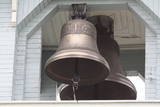 |
The Rēzekne Old Believer Prayer House of St Nicholas is in the southern part of the city, at Siņicina Street 4. The house of worship was built in 1895 and rebuilt in 1906. Its tower has three silver and brass bells (restored), and one of them is thought to be the largest bell in Latvia (4,832 kg with a tongue that weighs 200 kg in and of itself). Alongside is a museum which features the cultural and religious environment of the Old Believers. |
|
 1 day
|
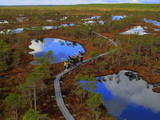
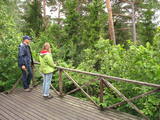
The Great Ķemeri Bog Boardwalk is located in Ķemeri National Park. The national park covers an area of 38,165 hectares. The Great Ķemeri Bog Boardwalk immerses visitors in the world of moss, small pine trees, deep pools, tiny dark lakes and the smell of wild rosemary. An astute visitor will notice the carnivorous sundew plant and a variety of birds – wood sandpipers, white wagtails and tree pipits – and will also be able to hear cranes further away. Those who prefer shorter strolls can take the small boardwalk loop (approx. 1.4 km), while those who choose the great loop (approx. 3.4 km) will be rewarded with the opportunity to climb to a viewing platform that offers a magnificent view of the bog from above. The Great Ķemeri Bog Boardwalk has become a popular place for landscape and wildlife photographers. The whole trail is laid to wooden boardwalk and therefore is fully accessible and can be walked without a professional guide. |
|
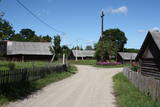 |
Musteikas pirmsākumi ir meklējami jau 18. gs. Līdz Musteikai no Marcinkones puses var nokļūt pa grantētu ceļu, kas ved gar bijušajiem kolhoza zivju dīķiem. Automašīnu var atstāt ciema sākumā un izstaigāt to ar kājām, izjūtot veco ēku smaržu un šarmu. Musteikā atrodas Dzūkijas biškopības vēsturei veltīts „dzīvs” muzejs, kur stropos dzīvo bites, bet tā saimnieks ir biškopis pēc aicinājuma un būtības. Ja palūgsiet, viņš demonstrēs – kā ar krama, metāla un posas piepes palīdzību senos laikos ieguva uguni. |
|
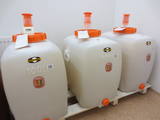 |
The farm produces homemade wine made of rhubarb, birch juice and apples. Tour the winemaking facilities and examine the process. You can taste and purchase products. |
|
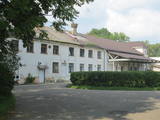 |
The first Mālpils dairy began operations in 1923 and manufactured butter and cheese. During the 1970s, the first soft and unfermented cheese in Latvia, “Mālpils Cheese” was produced here. Apply in advance for a tour of the company and a tasting of its products. You can purchase the products from the company’s warehouse. |
|
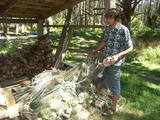 |
Fishermen along the seashore of the Baltic Sea love Laikas. They can hope to catch plaice, cod and eels, after which the owners of the farm will cook tasty fish soup or smoke the fish. You can help out in the process. |
|
 |
Das größte im Baltikum. Marathonloipe von Tartu, Wand der künstlichen Felsen und Trasse der Radmarathon. Skimuseum. Auf der Tehvandi-Sprungschanze ist ein Aussischtsplatform eingerichtet. |
|
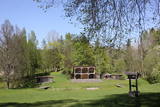 |
The location requires a drive through the Pērlis forest and sparsely populated areas. Silmači features an open-air stage, which was built in the 1980s for just one performance that was staged by the Latvian National Theatre during the Summer Solstice celebration in 1986. Ever since then, Rūdolfs Blaumanis’ famous play “Tailor Days at Silmači” has been performed here during the season. Alongside the stage is a museum that features information about the single performance in 1986. An original manuscript of the play (1902) can also be viewed. |
|
 |
This reserve dates back to Lake Ancilus, which was one of the original elements of what is now the Baltic Sea. The lake’s ancient shores feature wetlands, forests and flora which are all protected by the reserve.
|
|
 |
Puises „centrā” uz vienstāvu koka mājiņas jumta izveidota skatu platforma. No tās paveras laba ainava uz ciemu, ostu un piekrastes kadiķu laukiem. |
|
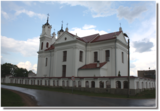 |
The Dviete Catholic Church is in the centre of the small village of Dviete. The white church can be seen from a distance. The first wooden church was built here in 1775 by the owner of the local estate, Count J.K. Wischling. Later the church was dismantled and brought the Zarinki cemetery. The Neo-Baroque Catholic church that is seen today has two towers, and its construction was financed by Count Kazimir Plater-Sieberg. The church was destroyed during World War I, and until it was rebuilt and consecrated, the granary of the Dviete Estate magazine, with its ridged roof, was used as a prayer house. It is on the side of the Dviete-Bebrene road and has recently been restored. In 1940, a stone fence was installed around the church with a tiled roof, and a building for the congregation was built in the 1970s. The church features a particularly ornate sacral Baroque interior, which is seen as the most ornate interior of its type in the former Daugavpils District. |
|
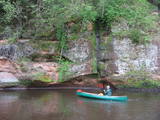 |
The Brasla River flows through a lovely valley that is approximately 300 m wide and up to 30 m deep. It is near the Inčukalns-Valka highway. The river has among the most beautiful rapids in the country, with mighty cliffs (the Brasla cliffs) that can be seen at nearly every curve in the river (except along the lowest reaches of the river). During the winter, various unusual frozen waterfalls can be seen in some of the cliffs, including the Krauļukalns cliff and the Jāņavārti cliff. On the left bank of the Brasla, opposite the Brasla fish farm, there are the Aņīte cliffs -- a series of sandstone cliffs that are 1 km long. The cliffs are between 2 and 35 m in height, and the sandstone cliffs are separated by ravines. On the right bank of the Brasla, there are major cliffs such as the Vāršavu cliff, the Kraukļukalns cliff, the Jāņavārti cliff, the Slūnu cliff, the Virtaka cliff and the Buļi cliff. How can you best learn about them? Boat down the river from the aforementioned highway or even from Straupe, which is further upstream. An alternative is hiking down the right bank of the river, though please take into account that the terrain is fairly extreme, and you are going to have to think about what to do when you arrive at the place where the Brasla River flows into the Gauja. |
|
 3 days
|
This programme allows participants to learn about Latvian ethnography and traditions through meeting local craftsmen and having master classes with them in knitting traditional mittens and gloves, making amber jewellery and cooking traditional foods. There is chance to have a unique experience because of the authenticity of some places and traditions, for example the ethnographic house of living history Zvanītāji still retains its original appearance - massive ceilings, large family room with bread oven and natural, unpainted wooden floor. The carew chimney is still in the kitchen. The house is filled with characteristic looms, a family table, beds, wardrobe, cradle, various items and tools used on the farm. |
|
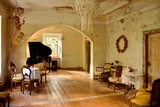 |
Iespējams apskatīt Kroņvircavas muižas kompleksu, kas bija pēdējā Kurzemes un Zemgales hercoga Pētera Bīrona lauku īpašums ar pili. To pēc hercoga pasūtījuma 1776. - 1785. gadā būvēja galma arhitekts Severīns Jensens. No hercoga pils līdz mūsdienām saglabājies vienīgi ziemeļaustrumu korpuss un virtuve kā atsevišķa ēka. Vispilnīgāk no muižas kompleksa ēkām saglabājušās Kavalieru māja, Pārvaldnieka māja, kurā tagad vietu radis projekts “Muižas istabas”, klēts-magazīna, stallis. Kroņvircavas muižas apbūve ir Valsts aizsardzības objekts. Pili ieskāva liels baroka stila parks ar ūdens parteru, kas kā muižas dārzs sākts ierīkot 1693. gadā. Šobrīd “Muižas istabās” saimnieko ģimene, kas vēlas saglabāt autentiskās mājas vērtības, iedzīvināt džezu uz “Muižas istabu” improvizētās skatuves, izstādīt mākslinieku darbus un svinēt svētkus. Aicinām apmeklēt vēsturiskā un kultūras mantojuma interesentus dzīvās mūzikas pavadījumā atklāt Vircavas bagāto vēsturi, ģimenes piedzīvojumus ar 250 gadīgo namu un sajust īpašo atmosfēru, ko novērtējuši daudzi mūsu apmeklētāji. |
|
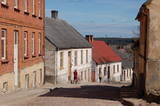 |
Kandava is first mentioned in the articles in 1230. In 1253 the Livonian Order built a stone castle at the upper part of Abava valley shore, at the foot which of an urban area formed. In the 17th century Kandava became an important trading centre. The plague epidemic and developments of World War I hit the town and its people hard. Kandava got the town rights in 1917. During soviet Soviet times, Sports Complex of Jaunkandavas agricultural Technical School became a popular training venue. |
|
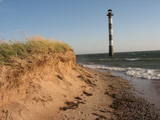 |
Harilaidas galā no jūras ūdens paceļas 26 m augstā Kīpsāres bāka – viena no neparastākajām Igaunijas bākām. Tā celta 1933. g., kad jūra no bākas atradās ~ 100 m attālumā. Krastu noskalošanas rezultātā tā tagad ir viļņu ieskauta. |
|
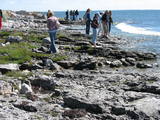 |
The national park was established to protect the 100 or so small islands that make up the archipelago of the local area. The largest island, the Vilsandi Island, is 6 km long and up to 2 km wide. You can rent a boat to get there, or, during appropriate conditions, you can walk across the sea and the small islands from the southern end of the Kuusnõmme peninsula.
|
|
 |
This is one of two sanatoriums in Jūrmala where mud from the surrounding area is used for medical procedures. The Jūrmala Spa Museum of History was opened here in 2009, and it offers interesting information about the history of the spa and the sanatorium. You will see historical photographs and medical equipment from the 1970s and 1980s. Guides will tell you all kinds of interesting information. |
|


