
| No | Name | Description |
|---|---|---|
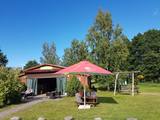 |
Kafejnīca "Stieres" atrodas Jūrmalas – Kolkas ceļa (P 131) malā – kempinga „Stieres” teritorijā. Piedāvā mājas virtuvi visām ēdienreizēm. Maltīti gatavo no Latvijas zemnieku audzētiem dārzeņiem, salātiem, zaļumiem. Zivju ēdieni ir no vietējo zvejniecības uzņēmumu ķertā vai pārstrādātā loma. Piedāvā dažādu svinību galdu klāšanu. Latviešu virtuve: Aukstā zupa, siļķe ar kartupeļiem un biezpienu, kartupeļu un plānās pankūkas, rosols, vietējo zemeņu zupa.
|
|
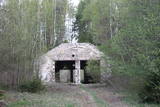 |
The Plāņciems missile base is in the forests of Bārta and is not easy to access. This special air defence facility is being dismantled for the purpose of obtaining building materials.
|
|
 7 days
|
If you enjoy an active lifestyle, this tour is the perfect way to enjoy the culinary heritage hidden in Gauja National Park. The cycling route starts from Strenči and first passes two local breweries at Brenguļi and Valmiermuiža with nice cafés and good beer. On the way to Valmiera you will also stop at Trikāta Village to taste locally made chocolate. From Valmiera, the route goes through a beautiful forest to Cēsis with its charming medieval Old Town. In Cēsis you will visit the local bakery and distillery to taste their production. Also, you will see what a herb and species garden looked like in medieval times. You’ll experience a canoeing trip from Cēsis to Līgatne, one of the nicest parts on the River Gauja with its sandstone banks, remote farmsteads and old-fashioned water-powered ferry. The historic centre of Līgatne Town is linked with the development of its paper mill. Here you can also visit local wine and handicraft producers in one of the artificial caves typical of the area. Cycling the hilly, winding roads of Sigulda, you’ll see Turaida and Sigulda medieval castles, Gūtmaņala Cave and other picturesque views. In Sigulda you will enjoy Latvian traditional meals in the restaurants ”Bucefāls”, ”Aparjods”, and will taste 80 kinds of jam in the Mauriņi guest house. |
|
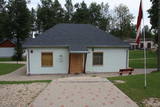 |
This is another place (at A. Brodeles Street 7) which must certainly be visited by those who are interested in the cultural environment of the historical region of Selonia. The museum was established in 2000, and much of its exhibition can be found at the depot of the former narrow-gauge railroad (the depot was built in 1948, and the railroad operated between 1916 and 1972). There you can see a restored locomotive, a passenger wagon, a trolley, etc. The exhibits reflect the lives of major personalities in and around Viesīte, also looking at events and the cultural heritage. There are wood processing and textile workshops at the museum. Outside the building is a fragment from the narrow gauge railroad, along with a water pump. |
|
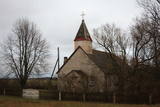 |
Nelielā izmēra ēka (balts ķieģeļu mūris, ar dēļiem apšūts zems tornis) atrodas Liepājas – Klaipēdas šosejas (A 11) malā. 20. gadsimta sākumā tā kalpojusi kā lūgšanu nams, taču tā paša gadsimta vidū pārbūvēta, uzceļot torni. |
|
 |
Zilais (Blue) Hill is the highest point in the Idumeja highlands – it is a very distinct hillock covered by forest, and from it there is a “narrow” landscape featuring the northern part of the highlands, as well as the Burtnieks flatlands. The restricted area is there to protect habitats such as gullies, hillsides and the boreal (northern) forest of the area. Zilais Hill is a popular tourist destination.
|
|
 |
This farm offers education about animals who live there, how they are bred and what the origins of their breeds are. You can gather eggs, learn to sit on a saddle and ride horses. The farm has Aberdeen Angus cattle, alpacas, various birds, horses, ponies, rabbits and goats. |
|
 |
Here you will learn about the history and cultural heritage of the Liv people of Vidzeme. Tour the museum and enjoy once characteristic foods from the region – special porridge and a strong alcoholic beverage brewed in accordance with ancient recipes. If your group wishes to do so, it can take part in the baking of rye bread in a true country oven. |
|
 |
A shop located in Jelgava that offers organic, natural food products, healthy products for children, gluten-free products, and ecological cosmetics and cleaning products. All of the products are made by Latvian farmers and home producers, using natural ingredients. |
|
 |
Located in the
|
|
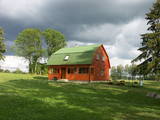 |
A summer house by lake Sila, in a separate building sauna and rest room with fireplace. Bathhouse - living room with open-fire, sauna, shower, double bedroom. Summer house – one room with twin beds, dry toilet. |
|
 |
The bistro is in the centre of Jelgava and offers fresh canapés, cakes, pierogi, cookies and other baked goods. It works with local producers of ingredients. Latvian cuisine: Bacon pierogi, potato pancakes, wheat-potato porridge with bacon sauce, whipped fool with milk. Grey peas with bacon during the season of the Winter Solstice. Special foods: The “Duke’s Sail” – oven-roasted pork with caramelised sauerkraut, roast vegetables, lingonberry sauce and horseradish. |
|
 |
The restaurant is on the seashore with a wonderful view of Jūrmala. The grill terrace is a stylised ship wheel. The restaurant partners with local farmers and fishermen. Latvian cuisine: Cold beet soup, fish soup, smoked eel with country cream, duck livers, cream of potato soup with chanterelles, roast pike-perch, venison with mustard sauce. |
|
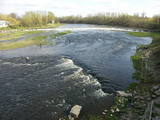 |
Above and below the town of Kuldīga, the Venta River is distinguished by a variety of biotopes – hillside forests, sandstone and dolomite cliffs, meadows, protected plants and animals, and diverse landscapes. There are popular tourism objects in this part of Kurzeme – the Venta dam, the stone bridge of Kuldīga, the Veckuldīga castle hill, etc. An ecological tourism trail runs along the banks of the Venta, and a bicycling trail has been installed on its left bank. |
|
 |
The restaurant is on the edge of the Turaida-Ragana road. The granary was built in 2004 in line with historical traditions. It resembles the Turaida Estate granary that was built by Baron Holstein. Latvian cuisine: Smoked catfish, leg of lamb, roast veal, venison or pork, stuffed duck or goose. |
|
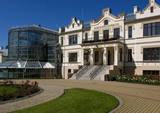 |
The Kretinga Estate park is one of the oldest ones in Lithuania to have survived to the present days. Established in the 16th and 17th century, it is a mixed-style park that covers 23 ha of land. The southern part of the park has an astronomical calendar with a sundial, a hedge, allies, and flowerbeds and rock gardens with dahlias, peonies, tulips and roses. There are trails for strollers and areas for relaxation. Particularly popular among local residents is the restored fountain in the park. |
|
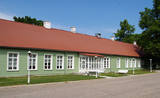 |
The museum’s main house in Kärdla (open all year round) and branches in Kassari and Käina (open in summer) give an insight into wool manufacturing, seafaring, agriculture and manor estates on the island, islanders´ life through tsarist and Soviet regimes and independence. Classes on heritage are run in the Long House. |
|
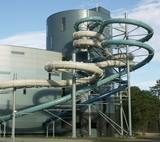 |
Der älteste und größte Kurort Litauens (seit 1794). Mikroklima (Luft der Umgebungswälder), salzhaltigee Quellen, Heilschlamm. Die Altstadt ist ein städtebauliches Denkmal. |
|
 3 days
|
Во время путешествия Вы осмотрите знаменитую Гору Крестов, Старый Каунас. Со смотровых площадок или во время прогулки на кораблике Вы увидите живописные излучины реки Неман. В курортном городе Друскининкай Вы посетите Парк Грутас со скульптурами и памятниками советского периода, переживете ушедшие „советские времена”. Сможете на велосипеде прокатиться по Национальному парку Джукия – одной из нетронутой природной территории Балтии. Вечером можете насладиться SPA процедурами по Вашему желанию и отдохнуть в Друскининкайском аквапарке. |
|
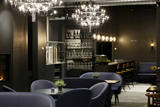 |
The “Zoltners” restaurant offers dainty dishes from fresh seasonal products. The key philosophy of the menu is staying natural and unsophisticated. Endijs Vīnerts, the restaurant chef, has a special approach to create the combinations of tastes that are characteristic to North Europe and to discover new nuances of the tastes of local products. |
|


