
| No | Name | Description |
|---|---|---|
 3 days
|
The tour starts and ends in Kaunas, Lithuania's 2nd largest city that was the capital of the country from 1920 until 1939. At Tadas Ivanauskas Homestead at Obelynė Park you will see a collection of 300 species and forms of plants, including some of the oldest trees on the planet – the ginkgo biloba and the dawn redwood. In Kaunas you will see the Oldest Apple Tree in Lithuania – almost 360years old, 8 metres tall, with a girth of 285 centimetres at a height of 1.3 metres. The Vytautas Magnus University Kaunas Botanical Garden exposes the Lithuanian Heritage flower garden plants according to their botanical classification. The Lithuanian Institute of Horticulture carries out both scientific and experimental/production activities. You can also buy seedlings, and seasonal fruit and vegetables. Home produced “Happy Foods” can be bought from Garsi Tyla homestead, and you can have a walk in their 100-year-old orchard and see the culinary herb garden. Burbiškis Manor and its beautiful landscape and sculpture park is a home to the annual tulip festival. Authentic homesteads representing Aukštaitija region can be seen at Kleboniškiai Rural Household Museum. Šiauliai University Botanical Garden demonstrates heritage rural plant gardens arranged according to the traditions of pre-war, inter-war and post-war periods. There are about 30 different species and varieties of plants growing on the grounds of the Baltic Plant Museum. The Liudvika and Stanislovas Didžiulis Homestead Museum garden features traditional Lithuanian apple tree cultivars, flowers and herbs. The A. Baranauskas and A. Vienuolis-Žukauskas Memorial Museum presents culture, literature, history, agrarian culture, and technical history in the Anykščiai region. Traditional Lithuanian flower garden can also be seen at the Bronė Buivydaitė Memorial Museum. In Anykščiai you can enjoy the Treetop Walkway and Labyrinth Park, and take a train ride on Aukštaitija’s narrow-gauge railway. In Traupis Botanical Garden you will find everything from perennial flower collections and rock garden to a flower clock and decorative pool with aquatic plants. The interior of the Taujėnai Manor house was decorated extensively with the Radziwiłł family’s portraits, sculptures, hunting trophies, and antique weapons. In Ukmergė District, visit President Antanas Smetona’s Užugiris Manor, which now houses a memorial museum in his honour. At the end of tour, you will visit the Open-Air Museum of Lithuania, one of the largest (194 ha) and most abundant (91,420 exhibits) open-air ethnographic museums in Europe. |
|
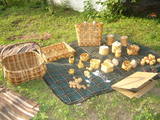 |
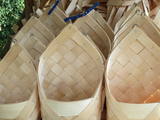
This is one of the few workshops in Latvia where things are woven with birch bark. You can look at the objects and discuss the experience of the craftspeople. They will help you to produce simple objects out of birch bark, and those will be excellent souvenirs. |
|
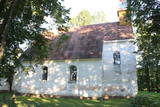 |
The Zasa Lutheran Church is in the northern part of the Zasa park, was built in 1750, and is a small Lutheran church. The organ, which was produced by the distinguished organ builder Andrejs Sūnākslis, was recently restored. The graves of German soldiers who fell during World War I are near the church. |
|
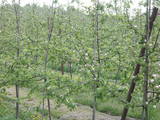 |
One of the loveliest apple orchards in Latvia (~10 ha, 30 types of apples) is on the sides of impressive hillocks. During clear weather, you can see the Bay of Rīga from atop the hillocks. The farm is particularly beautiful when apple trees are in bloom. Apples are available for tastings and purchase. |
|
 |
Until the 1680s, where the Vecdaugava neighbourhood is located, there was a castle which, because of natural changes in the riverbed of the Daugava, was then dismantled and “moved” to the Left Bank of the Daugava. Nothing remains of the castle, but people can still see the remnants of old barriers and moats. Swedish soldiers used the facility at the beginning of the Great Northern War. The place is certainly interesting in the context of Rīga’s history and military heritage, and if you’re in the northern reaches of the city, we recommend that you go and have a look.
|
|
 |
The workshop manufactures household products such as benches, tables, hangers, kitchen equipment, sauna barrels, other barrels, outstanding souvenirs of wood, etc. You can commission or buy the products, and tours are also available. |
|
 |
Kadarbiku estate is located in Harju, in the municipality Saue, in the village Tula (Tuula). Agriculture started to work here in 1989, while the family company Kadarbiku Köögivili OÜ was established in 2004. Kadarbik farms specializes in growing and processing vegetables. The farm uses 500 hectares of land, which grows carrots, cabbage, beets and various summer crops. They also make juices and smoothies. |
|
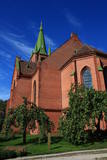 |
Mūsdienās redzamais iespaidīgais dievnams tapis ilgākā laika posmā. Jau 1870. g. latviešu draudze sāka vākt ziedojumus neogotiskās baznīcas celtniecībai, ko pabeidza 1904. gadā (V. Neimaņa projekts). Ēkas iekšpusi rotā dekoratīvi zvaigžņu velvju griesti, bet tās altārdaļā izvietotasmākslinieka J. Šķērstena veidotās vitrāžas (1940. g.) un 17. gs. kristāmtrauks. Baznīcu ieskauj plašs dārzs. |
|
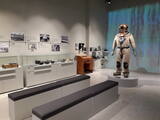 |
This exhibition features the Pļaviņas hydroelectric power plant as a unique architectural building with unique engineering elements. It is the largest producer of electricity in the Baltic States and one of the largest in
|
|
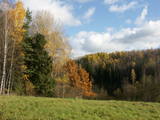 |
The Krustkalni Nature Reserve was established in 1977, and the diversity of plants in the region is based both on the terrain – the Madona-Trepe embankment, a series of hillocks with low areas among them, swamps and small lakes – and on the biotope – natural meadows, forest glades, places where underground streams bubble up to the surface, and vast areas of forest with very old stands of trees. Some 800 types of plants have been defined in the reserve. It can be toured only in the company of a guide from reserve headquarters, and one must apply in advance. Visitors can visit the Krāku streams, Lake Svēte-Dreimaņi, and other sites. |
|
 |
The guesthouse is on the side of the Rēzekne ring road (A12). The lady of the house offers Lettigalian dishes based on local ingredients, and she works with local farmers and fishermen. |
|
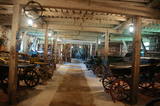 |
The museum is located in Pilkuse manor farm, exhibits on display are carts, carriages and sleighs along with accessories from horse collars to lap robes. Military, emergency and fire brigade carts are extraordinary and rare while a coach and a calash (barouche) are exhibits to be really proud of. Numerous agricultural tools and equipment also ensure hours of excitement and discovery in the museum. |
|
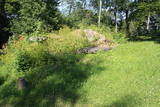 |
The Lašu castle hill is 0.2 km from the Vecumnieki-Ilūkste road at Laši. It is an ancient Selonian castle hill, and it was populated between the 1st millennium BC and the 10th or 12th century. Very little remains of the old Veclaši (Tiesenhausen) Estate, which had an impressive mansion designed in the Neo-Gothic style in the late 19th century. What remains are an ancillary building, the foundations of the mansion, fragments of the gates, and a park. Until 1920, the estate belonged to the Pshezdzetski dynasty, and before that it was owned by the Tiesenhausen and Fittinghoff dynasties. Before visiting the location, look for photographs of the old mansion on the Internet. Sadly, the important cultural monument has not experienced any major improvements over the past 20 years.
|
|
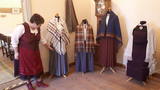 |
They work together since 1996. The members are knitting woollen socks, mittens, scarfs, sweaters, embroider sofa cushions, blankets, table cloths, paint on scarfs and ties, weaves blankets, towels, carpets, bookmarks, crochet toys, clothing, blankets as well as creates wickerwork and wooden ware, they demonstrate the baking process of traditional Latvian sklandrauši and tea making. The knitters from the organisation created the traditional mittens for the NATO summit guests in Riga. The visitors can view the different products, learn different crafts, bake sklandrauši and make different tea mixes themselves. They also offer excursions in the renovated Ance’s manor castle. |
|
 |
This farm has 36 ha of land and is near Latvia’s border with Belarus. It raises goats and obtains some 10 tonnes of milk from them each year. The milk is processed at the farm, which offers cottage cheese, cream, various kinds of cheese, homemade ice cream and meat products. Tastings are offered, and visitors can help to do the work at the farm. The farm is part of the Latgale network of culinary heritage and is a biological farm. |
|
 |
Fruit and berry wine has been made at the Tori Jõesuu Cider and Wine Farm since its beginnings. The people currently living there are inspired by the experiences of their ancestors and value the fruits and berries that grow from the local Soomaa soil, which has a particular composition. The old feral apple tree, which grows in the yard, is particularly special because its golden apples have an unusual taste which makes the Tori Jõesuu Cider Farm cider unique. The visit also includes a tour of a genuine Nordic vineyard. The Cider tour around Tori Jõesuu Cider and Wine Farm on the edge of Soomaa has been awarded the EHE (Genuine and Interesting Estonia) quality label. The farm introduces guests to the secrets of good cider and wine making, the special features of the cultivation of northern grapes, as well as offers catering and organises tastings. |
|
 |
The biological agronomical farm specializes on growing vegetables and their reprocessing. Grain products – flour, groats, pearl barley. Also available vegetable and flower saplings; flowers. |
|
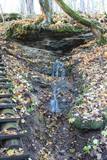 |
Litorīnas jūras laikā (pirms ~ 6000 gadiem) Saleveres Salumegi kalns bija sala, bet mūsdienās tas kā izteikta kāple (īpaši - ziemeļu pusē) paceļas virs Piejūras līdzenuma. Salumegi ziemeļu pusē slejas 4 - 5 metrus augsts kaļķakmens atsegums – silūra perioda (> 400 mlj. gadu) koraļļu rifa paliekas, kuru noskalojuši Litorīnas jūras viļņi. Atseguma piekājē izplūst Acu avots, kam piedēvē dziednieciskas īpašības. Salumegi apskates nolūkos izveidota lokveida taka (1,5 km). No kalna augšas paveras labs skats uz Matsalu līci. Šeit atradies arī sens pilskalns. |
|
 1 day
|
Dodieties ekskursijā, lai gūtu ieskatu lauku profesijā un dzīvesveidā, kā arī iegūtu jaunus iespaidus un labu atpūtu visai klasei. Ekskursijas laikā apmeklējiet Salmu muzeju, kur apskatāmas gandrīz 500 salmu skulptūras un lelles, kā arī iespēja darboties radošajā darbnīcā un iegūt pamata prasmes darbā ar salmiem un sienu. Pēc tam apmeklējiet zvejnieku sētu, kas piedāvā aktīvu atpūtu pie jūras ar visādām izdarībām jūras krastā, zvejnieksievu stāstus par vēsturi un sadzīves "teijātri" vietējā dialektā, ieskatu zivju kūpināšanas procesā un, protams, mielastu ar riktīgu vietējo zivju izgaršošanu. Ekskursijas noslēgumā dodieties uz mini zoo, lai iepazītos ar eksotiskajiem dzīvniekiem un mājdzīvniekiem, kurus iespējams pabarot, kā arī samīļot. |
|
 |
Saimniecībā "Jauncaunes", Ogres novadā, grupām, kā arī individuāliem apmeklētājiem tiek piedāvāta atpūta brīvā dabā, iepazīstot un izmēģinot metamos ieročus, šaušanu ar dažāda veida lokiem, arbaletiem un pneimatiku. |
|


