
| No | Name | Description |
|---|---|---|
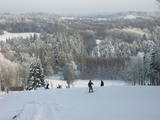 |
Gaiziņkalns Hill is the highest hill in Latvia, and it is a typical example of the hillocks of the Vidzeme highlands. This is a place of wonderful landscapes, even though there are not all that many good viewing areas. At the centre of this park is Gaiziņkalns Hill itself – the highest place in Latvia and the second highest in the Baltic States (311.6 metres above sea level). The viewing tower, alas is not open to the public, because it is in dangerous condition. There is a well-appointed hiking trail around Gaiziņkalns Hill, and during the winter the hill and its surroundings are popular for downhill and cross-country skiing. Lake Viešūrs (Lake Kaķītis) is popular among licensed fishermen. This territory is part of a region of protected landscapes around Vestiena. |
|
 |
Saimniecības laukos ganās ap 300 aitu kupls ganāmpulks, no kura iegūst gaļu un vilnu. Piedāvā ekskursiju, kurā stāsta par aitu audzēšanu, cep maizi, auž un uz ugunskura vāra zupu. Apmeklētāji var iegādāties adītas zeķes, cimdus, segas, lakatus, galdautus un citas saimniecībā noderīgas lietas. Stāsta par atjaunotās mājas vēsturi un kopj latviskās tradīcijas. |
|
 |
Gebaut am Ende des 18. Jh. im Stil des Frühklassizismus als der Besitz der Grafen von Mellin. Saaldekorationen vom künstlerischen Wert von K. V. Kalopka (1792) und Öfen (Ende des 19. Jh.). Ein Park. |
|
 |
One of the most popular places on Latvian seashore to buy smoked fish or fish cooked in some other way. The fish is being smoked by local undertakers so quite often it is possible to feel a nice fish smell in tte village! |
|
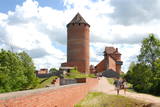 |
Before the stone Turaida Castle was built beginning in 1214, there was a wooden castle there that had been built by the Livs. The Turaida Castle was owned by the bishop of Rīga. It remained in place until 1776, when it burned down. The initial entrance to the castle's main tower was 9 m above ground, and in 1936, a viewing platform was installed at a height of 27 metres. There is no other view in Latvia that is like the one from the Turaida Castle! Restoration work at the castle began in 1953, when the upper level of the tower was restored and a roof was installed. Also restored was the former granary, which was home to an exhibition about the Sigulda region, along with the semi-circular tower and the southern segment of the castle complex, complete with the full reconstruction of its historical interior. Archaeological work was done around the castle between 1976 and 2001, and this led to the restoration of a large part of the complex. The castle now contains a museum exhibition related to the historical events of the surrounding area. The Turaida Castle is in the Turaida Museum Reserve (see above). |
|
 |
Home producer Elma Zadiņa prepares sklandraušs, which have rye flour bottoms, as well as an old Latvian lunch dish - a porridge, using ground wheat and rye flour. The products are produced in small quantities at home. Tasting of porridge and smoothies is possible. |
|
 |
You can take a smoky sauna, watch the milking of cows, learn how to milk a cow, buy fresh bread and pastries along with unique apple tea, rent a family tent, take part in farm work, go fishing and swimming in the pond and shoot arrows with old and modern bows. |
|
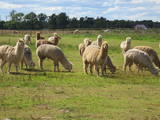 |
This is the largest herd of alpacas (an animal from the mountainous regions of South America) in the Baltic States. You can observe the animals, listen to stories about them, and buy alpaca wool. There are plans to transfer the herd to the Vīceži Estate in the Lībagi Parish in 2014.
|
|
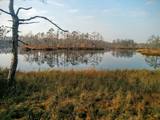 |
Cena's heath swamp's trail was made to introduce vistors to one of the most beautiful things in nature - a moss swamp. The pathway goes not only around beautiful swamp lakes but also meets the degraded part of the swamp. At the beggining and the end is a watch tower. |
|
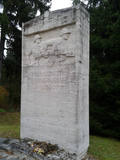 |
The monument is at the location where the P100 road to Ozolnieki and Jelgava splits away from the A8 highway. The monument is dedicated to soldiers from the 6th Rīga Infantry Company who perished or disappeared during battles against the army of Bermont on November 17, 1919, near the former Skuju Elementary School. The monument was designed by Nikolajs Voits, the bas relief was designed by Mārtiņš Šmalcs, and the consultant for the project was the great sculptor Kārlis Zāle. The monument was unveiled on October 24, 1937, and restored in 2009. |
|
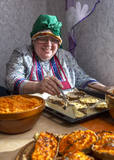 |
A true Latvian landlady, Skaidrīte Nagliņa, will welcome you to this farm and show you how to bake traditional bread. Old recipes and a bread oven heated by firewood will lead to beloved and tasty carrot buns, fresh sourdough bread and “pizza” ὰ la the Suiti. For groups up to 10 people. Please contact the farm in advance of your visit. |
|
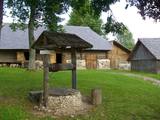 |
This is a unique open-air museum in South Estonia with displays on farming and school life in the late 19th and early 20th centuries. Its 5 ha grounds comprise a school, a court and a poorhouse with outbuildings, a communal granary, dwelling houses, and a Dutch windmill. Farm tools and machinery are also displayed. |
|
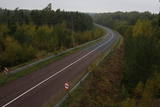 |
This is the ancient shore of the Baltic Ice Lake. We can only imagine the landscape 10,000 years ago, when the Kurzeme peninsula was covered with vegetation reminiscent of a tundra, and waves from the icy lake dashed against the ancient shoreline. We know that the lake was full of icebergs of various sizes. Today the cliff is more than 20 km long (some 9 km of it are in the Slītere National Park), and it is as much as 42 m high. It is the most impressive cliff of its type in all of Latvia. At the foot of the cliff are the Irve flatlands (the name comes from the Liv 'īrva' or 'īra', both of which refer to deer). The flatlands are the former bottom of the Baltic Ice Lake. The Blue Hills are crossed by many small streams and rivers (Pitragupe, Lorumupe, Kaļķupe, Mazupe, etc.). Their valleys are the basis for a branched and very complicated system of waterways which look particularly impressive when the trees are bare. In many places the cliffs and valleys display small areas of sandstone from the Narva suite. These are Latvia's oldest sediment cliffs that can be seen above ground. Although the Blue Hills are very impressive in scope, there are only a few places where there are important viewing areas (a viewing tower at the Dundaga-Mazirbe road, the view from the Šlītere lighthouse, the view from Mežlīdumi). The mightiness of the ancient shoreline can truly be enjoyed from the Cirste-Mazirbe road, the Cirste-Riepaldi road, Mežlīdumi and the Vīdala-Melnsils road). It is worth visiting the area in the springtime, when the slopes of the Blue Hills seem to be sinking under the fresh greenery. |
|
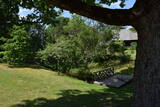 |
Bārbeles sēravots tiek dēvēts par vienu no pirmajām kūrvietām Latvijā, proti, jau ap 1650. gadu hercoga Jēkaba valdīšanas laikā sēravota tuvumā uzbūvēta vannu māja, dēvēta par mazo ūdensdziednīcu, kuru vēlāk arī apmeklējuši visi Kurzemes-Zemgales hercogi. 1739. gadā Rīgas garnizona ārsts Benjamins Teofils Grofs uz Bārbeles sēravotu nosūtījs 10 ievainotus un smagi slimus karavīrus, kas sirguši ar dažādām kaitēm - pēc Bārbeles sēravota vannām karavīri atveseļojušies. Avota ūdeni izmantojuši gan apkārtējie zemnieki, gan muižnieki, gan augstmaņi no Jelgavas. Avotā slimnieki peldējušies, aptriepušies ar dūņām, no tā sagatavotas arī siltās vannas. Tāpat ūdens tika izmantots iekšķīgai lietošanai. Bārbeles sēravots dziedinājis ne tikai skorbutu, locītavu un krustu sāpes, artrītu, pietūkumu, bet arī venēriskās slimības-sifilisu, nervu kaites un daudzas citas slimības. 19. gs. avota ūdenī samazinājās sērūdeņraža koncentrācija. Neskatoties uz to, 20. gs. 20. gados šeit vēl aizvien darbojās vannu māja, tika uzbūvēts arī neliels vasarnīcu rajons, ierīkots deju laukums un parks, kūrorts tolaik tika plaši apmeklēts. Diemžēl, kūrorta noriets seko pēc Otrā Pasaules kara, kad to noposta un vairs neatjauno. Šobrīd par savulaik tik ļoti apmeklēto un nozīmīgo kūrvietu, dēvētu par pirmo kūrortu Latvijā, var tikai iztēloties. Atrodoties pie sēravota, tā laika liecības iezīmējas pēdējās vannu mājas ēkas pamatu drupās, stalti liecinieki arī koki – glabājot sevī savulaik pieredzēto. Sēravota apkārtnē ierīkota atpūtas vieta, informatīvs stends, kurā var aplūkot senākas fotogrāfijas un detalizētāk iepazīties ar kūrorta vēsturi. Tāpat ierīkota laipa, no kuras apmeklētāji var pasmelt avota ūdeni. |
|
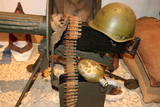 |
Found at Daugavpils Street 40 in Aglona, this is one of the largest private collections of military exhibits related to World War II in
|
|
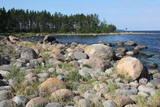 |
This is the first national park in Estonia and the Baltic States. Perfect for a day trip out from Tallinn for a hiking trip and nature watching. It was established in 1971 to protect the area that is along the Bay of Finland – the shoreline, forests, swamps, meadow biotopes, species, natural monuments, rocks, waterfalls, cliffs and cultural monuments such as ancient cemeteries, castle hills, baronial estates, fishing villages, etc. |
|
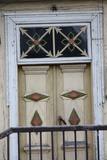 |
Ein schönes Holzhaus (Baznīcas ielā 7), gebaut 1670 an der sogenannten Venedig-Brücke in Kuldīga über den Fluss Alekšupīte. Auf dem Dach des Hauses befindet sich eine der ältesten und schönsten Windfahnen der Stadt. |
|
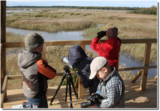 |
Kaņieris is a seriously overgrown and
shallow seaside lake. Its water level was
adjusted several times during the 20th
century so as to obtain agricultural lands.
The lake has 14 islands, among which nine
are natural and the rest are artificial and
aimed at attracting nesting water birds.
Lake Kaņieris has one of the richest
diversities of birds in Latvia. An
ornithological nature reserve was
established here in 1964. In 1989, the lake
was placed on the list of major birding
locations in Europe, and in 1995 it was put
on the list of the Ramsar Convention. At
the southeastern shore of the lake is a
boating facility (only rented boats are
permitted on the lake). A bird-watching
tower was erected on the Riekstu
peninsula in 2009
|
|
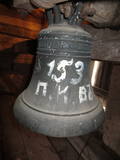 |
The church was opened in 1651 after half a century of sometimes interrupted construction. It was fully rebuilt and took on its current appearance in 1876. The church contains one of the most important church objects in Latvia – the oldest pulpit in the country (1590). It was designed in the style of Mannerism. The church also has a bell from a wrecked chapel of the local knighthood. The bell was manufacture in 1450 and was installed at the church in the 19th century. It is the oldest church bell in Latvia. The German painter F. Wolff painted the altar painting, “Christ on the Cross,” and it, along with the altar, have recently been restored. |
|
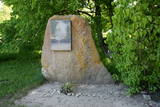 |
The memorial to Latvian President Gustavs Zemgals (1871-1939) was first installed in 1990 at the Brātiņi homestead, where he grew up. In 2016 it was moved to the Džukste memorial park. |
|


