
| No | Name | Description |
|---|---|---|
 |
Eine der malerischischen Burgberge am Fluss Nemunas mit schöner Sicht aufs Flusstal. In 13 – 14 Jh. befand sich hier eine militäre Festung, die nicht erhalten ist. |
|
 |
Redzamas pa lielu gabalu Vecumnieku – Skaistkalnes un Stelpes ceļu krustojuma tuvumā. Šīs Holdandes tipa vējdzirnavas uzcēla 1903. gadā. Sākot ar 20. gs. 30. gadiem dzirnavas darbojas ar elektrības palīdzību. Līdz mūsdienām ir saglabājušies vējdzirnavu vēsturiskie mehānismi. Kādreiz daudzie vējdzirnavu stāvi bija raksturīga Zemgales vēsturiskajam novadam, ko pamatoti dēvē par Latvijas „maizes klēti”. Diemžēl līdz mūsdienām ir saglabājušies tikai daži. Šīs vējdzirnavas ir apskatāmas tikai no ceļa malas.Ap 8 km rietumos (Iecavas virziens) redzamas vēl vienas – Kāravu vējdzirnavas. |
|
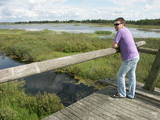 |
The tower is at the western end of the Seda swamp, accessed from the side of Jērcēni. Transport is limited here. The tower is in the area of the swamp where peat moss is extracted. It offers a broad view of the ponds of Seda and a boat rental facility that is nearby. It is an appropriate location for bird-watching during the season of migration. There is another bird-watching platform near the town of Seda. This is part of the ZBR. |
|
 |
A place in the centre of Tartu where one can enjoy small and light fish & chips style meals made from the products of Lake Peipus. The small shop combines Peipus' area dining experiences with modern cuisine, using only the best local products. Very popular choices are fish & chips made from pike perch fillet, juicy burgers, as well as wraps. |
|
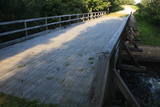 |
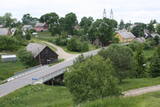
This fairly large wooden bridge across the Rīva River is a fairly unique phenomenon in Latvia, but it is one of few, if not the only bridge of its type. The bridge is in a convenient and easily accessed place, and of interest is the fact that it was once part of the Liepāja-Ventspils railroad that was installed during the first half of the 20th century. |
|
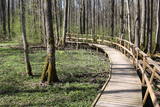 |
The excessively damp forests at this place include the Vēršupīte River bog, and this is one of the most diverse biotopes in Latvia in terms of the number of species that can be found here. The fact that the area is regularly flooded is shown by the fat roots of black alders – indeed, the place looks like a stand of mangroves. The wooden pathway that is the Dumbrāju trail starts at the Forest House for those who wish to examine the bog. The most impressive views are seen during spring floods or rainy seasons at other times of the year. The little river breaks out of its bed and floods a large territory. The Lake Sloka hiking trail is another place where you can study the Vēršupīte bog. The circular trail is 3 km long, and its beginning is at the Lake Sloka bird watching tower. |
|
|
|
Starp steķiem un Tūjas ķieģeļu fabriku bija
izveidots sliežu ceļš, pa kuru transportēja labākās kvalitātes ķieģeļus.
Pēckara gados „Dzeņu” krastā uzcēla zivju pārstrādes rūpnīcu, bet pāri
steķiem – cauruli, pa kuru ar ventilatora palīdzību sūknēja zivis no kuģiem,
kas bija piestājuši steķu galā.
|
|
 |
Talsu vecpilsētā, pašā vēsturiskā centra vidū, atrodas īpaša vieta, kur saplūst lauku miers un pilsētas dzīvīgums. Te vari izbaudīt gan klusumu un nesteidzīgu atmosfēru, gan arī sajust tuvumā esošo ielu dzīves ritmu. Šī māja ir kā radīta romantiskam nedēļas nogales atpūtam divatā — vakarā iekurt kamīnu, iemirdzināt telpu sveču gaismā un baudīt siltu vīna glāzi klusā divvientulībā. Tajā pašā laikā tā lieliski piemērota arī ģimenēm vai draugu kompānijām, kas vēlas pavadīt laiku kopā ērtā un plašā vidē. Villā pieejamas piecas guļamistabas, divas vannas istabas, kvalitatīva gultas veļa un dvieļi, satelīttelevīzija plakanajā ekrānā, ērta ēdamzona, pilnībā aprīkota virtuve, kā arī terase ar skatu uz dārzu. Papildus ērtībām viesiem ir atpūtas zona un kamīns, kas lieliski papildina vietas mājīgumu. |
|
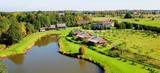 |
The "Agluona" guesthouse offers coffee and dishes from Little Lithuania and Žemaitija. Tastings are offered of locally baked bread and Little Lithuanian pierogi and waffles. |
|
 |
Naukšēni Winery is an organic farm producing cider from Paradise apples. Our Story Apples Ciders For Visitors Where to Buy |
|
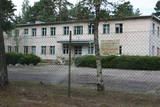 |
The border guard facility at Pāvilosta is closed to civilians at this time, because it is used by the Latvian Navy.
|
|
 3 days
|
На маршруте сможете узнать особую культурную среду Латгалии, людей, которые ее создают, порадоваться красивым ландшафтам, пройтись по природным тропам и искупаться в каком-нибудь из прославленнных озер Латгалии. В Ливаны узнаете о работе стеклодува, в Даугавпилсе побываете в крепосте 19-го века, где теперь расположен центр всемирно известного художника Марка Ротко. Дорога будет виться по живописным излучинам Даугавы. Информация о маршруте от Latvijas Lauku forums |
|
 |
Pirmo reizi vēstures avotos 1253. g. šī vieta ir minēta kā kuršu apdzīvota apmetne. Laikā no 1637. – 1639. g. te uzcēla pirmās 19 kapelas – t.s. „Krusta ceļa stacijas", kas atgādināja Jeruzalemes Krusta ceļu. Kopš tā laika Žemaišu Kalvarija ir pazīstama kā nozīmīgs svētceļnieku galamērķis. Dažas no Krusta ceļa kapelām ir veidotas 17. – 18 gs., bet citas – 19. gs. Jāatceras, ka vēl pavisam nesen – Padomju laikos svētceļniekus nežēlīgi vajāja un represēja. Mūsdienās pilsētā ir izveidots 21 svētceļnieku „pieturas punkts". Te ik gadu (parasti no 2. – 12. jūlijam) notiek Žemaišu Kalvarijas katoļu draudzes svētki, kas pulcina daudz ļaužu no dažādām Eiropas valstīm. Iespaidīgā katoļu bazilika ir slavena ar Vissvētākās Jaunavas Marijas Katoļu Ģimeņu Karalienes gleznu, kas 17. gs. atvesta no Romas. Tai piedēvē brīnumdarītājas spējas. Interesants ir pilsētas ielu tīklojums, kas atgādina 9. – 13. gs. apdzīvotas vietas ielu plānojumu. Noteikti apskatāms iespaidīgais Žemaišu Kalvarijas pilskalns, kas slejas mazās Varduvas (Varduva) upītes krastā. |
|
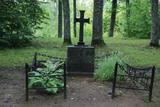 |
To the North of the Cesvaine Castle is a park that is crossed by the rapidly flowing Sūla River. The Cesvaine castle hill is on the northern bank of the river, is around 15 m high and is covered by trees today. The grave of the owner of the castle, Adolf von Wolff, is there. It is said that he wanted to have his casket dragged to the gravesite on a sled. He died during the summer, but that was done anyway. The park features a wide diversity of trees and bushes, some of which the owner brought home from his extensive travels. |
|
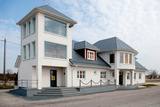 |
The Centre at Sõru harbour exhibits various vessels, smaller wooden boats are built and renovated here too. The three-masted schooner Alar is awaiting restoration. Part of the Centre complex is the Sõru Museum giving an insight into local sea-going history; workshops on coastal life and seafaring can be booked in advance. |
|
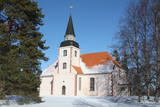 |
The church has a non-traditional design and layout: the altar is in the middle but the pulpit- above the altar. The church has also an original bell tower with a bell casted in 1634. The present wooden interior was created by the students of Riga Crafts High School. Next to the church there are ruins of the old church and the rectory where at the end of the 18th century as a tutor worked Garlieb Merkel who in Liepupe observed events used in his famous book "Latvians". |
|
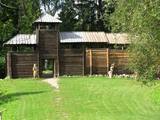 |
Kassinurme hills were formed during the last Ice Age, and an ancient stronghold and a sacred grove can be found in the hills. At the foot of the stronghold a stage has been built; a swing, tepees, a campfire place and a model of the stronghold are located in the forecourt. Nature, health and antiquities trails are located nearby. |
|
 |
The farm "Veckūkuri" in Jērcēni parish of Strenči district is included in the top of the most productive herds in Latvia. "Veckūri" is a milk processor that produces non-traditional dairy products from the milk obtained on its farm. The farm is also ranked among the companies that have been awarded the State Export Council awards “Latvian Export Product 2015”. |
|
|
|
Auf einer hohen vom Wald bedeckten Düne, wo sich in 14 – 15 Jh. ein heidnisches Heiligtum und eine Sternwarte befand, wurde 1869 eine Kapelle und Skulptur erbaut. Eine Geschichte über Priesterin Birute, die das Großfürsten Kestutis geheiratet und den Sohn Vitautas geboren hat. |
|
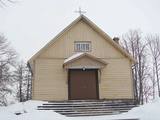 |
St. Virgin Mary Roman Catholic Church of Dukstigals. The
wooden church was burned down in the World War II and restored in 1947. The church has the icon of Our
Lady in the central altar and the statue of Our Lady.
|
|


