
| No | Name | Description |
|---|---|---|
 |
Kafejnīca "Dižjūra" atrodas Mazirbē, Lībiešu tautas namā. Atvērta vasaras sezonā. |
|
 |
The basic exhibition at the museum, “Traditions Related to the Sewing and Wearing of Bārta Folk Costumes From the 19th to the 21st Century”, features folk costumes for unmarried and married women, as well as for men, emphasising the diversity of elements therein. Visitors can help to embroider or weave blouses. The Bārta Ethnographic Ensemble offers two educational programmes – “The Bārta Folk Costume” and “Singing Women From Bārta”. |
|
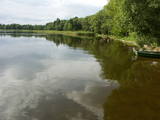 |
Ar mežiem, purviem un ezeriem (Riču, Sila u.c.) bagāta teritorija Latvijas - Baltkrievijas pierobežā. Galvenās aizsargājamās dabas vērtības - dažāda veida purvu, mežu un ezeru biotopi un tajos mītošās augu un dzīvnieku sugas. Ezeru krastos, kurus iecienījuši vietējie atpūtnieki, atrodas vairākas naktsmītnes. Ilgas muiža (celta 19. gs. kā medību pils) ir Daugavpils Universitātes studentu prakses vieta. Silenes dabas parkā ietilpst arī Glušonkas purva un Ilgas dabas liegumi.
|
|
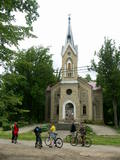 |
18 A. Upīša Street. The church was built in 1897 in the Neo-Gothic style (Architect H. Shel) and it is one of the few19th century city brick buildings. In the church there is the altarpiece "Christ healing the sick" - I. Zeberliņš (1943). You can see the church from the inside during the worship or by a prior arrangement. Near the church, you can see a monument designed by E. Laube (1926) to 80 Latvian riflemen who died in World War I and who were buried in the Warrior's Cemetery near the river Vēršupīte. Near the cemetery, there are also buried J. Kārkliņš and F. Siliņš, fighters of the Kauguri Battle of May 18, 1919. By a prior arrangement, tourist groups can see the church from the inside. |
|
 |
Ap 200m garš un līdz 15m augsts ainavisks atsegums upes labā krasta asā līkumā. Tam iepretim otrā krastā (500m) Līgatnes dabas takas.
|
|
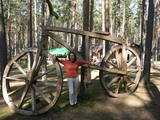 |
This park was established to protect Lithuania’s longest lake, Lake Asveja (> 20 km). The lake is in a sub-glacial valley carved out by ice during the Ice Age, and it actually resembles a wide and curvy river.
|
|
 |
During a tour you will be served homemade bread, cheese, meat and beer. You will visit an ancient garden with an alley of linden trees and a park of deer and mouflons. Children will love to pet the geese, rabbits and donkey. |
|
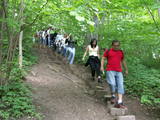 |
The Little Sigulda of Pilskalne is a place for longer or shorter hikes. Here you will find a number of trails – the Sprīdītis trail (1.6 km, featuring wooden sculptures of characters from fairy tales by Anna Brigadere), the Forest landscape educational trail (3.8 km), and the Highland landscape trail (8 km in each direction). The trails are in a sub-glacial depression with a number of little lakes and swamps that are connected by streams. This is a restricted environmental area aimed at protecting the landscape and its treasures. At the beginning of the trails (near Pilskalne) there is the Melnaiskalns (Rāmavas) castle hill, which is around 30 m high. |
|
 |
Atrodas Īvandes dienviddaļā, Vankas upītes krastos. Ūdensdzirnavas celtas 1842. gadā (par to liecina arī sienā iemūrēts dzirnakmens) un darbojas joprojām. To iekārtas ir saglabājušās no 1930. gada. Divstāvu ēka apskatāma no ārpuses, bet iepriekš piesakoties, - arī no iekšpuses. |
|
|
|
Das in 1671 gebaute Schloss wurde mehrmals umgebaut und die heutige Aussicht im Stil des Klassizismus hat das Schloss 1820 – 1923 erhalten. Der im 19. Jh angelegte Park mit einer Rotunde und einer Steinbrücke. Tematische Ausstellungen. |
|
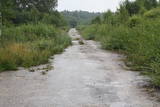 |
One of the largest tank bases in the Baltic War District was located during Soviet times just South of Gardene. The territory has largely been abandoned, and there are just a few remnants of the buildings that were once there. If you drive down the Dobele-Annenieki road, you will find a paved military road splitting off from it. It is still used today. The buildings and urban planning of Gardene are also of interest – during the Soviet era, soldiers and their families lived there.
|
|
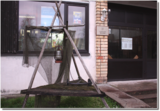 |
The Lapmežciems Museum features
information about the history of the local
parish, its school and its fishing industry.
There are also exhibits featuring World
War I battles near Klapkalnciems which
involved Finnish soldiers. The museum
also organises themebased exhibitions.
Alongside it is a memorial rock for the
politically repressed.
|
|
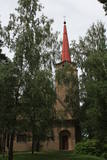 |
The Viesīte Lutheran Church is in Kaļķu Street in the western part of Viesīte, on the so-called Vales hillock which was left behind after the Ice Age. An interesting fact is that the defenders of Viesīte defeated the Bermont army here in 1919. The cornerstone for the church was laid on August 15, 1937 (a commemoration day for military heroes). The building was consecrated in 1939 and restored in 1994. Financing was provided for the construction of the church by Professor Pauls Stradiņš. The altar painting is by Ligita Caune. To the East of the church, at the foot of the Vales hillock is a monument to Stradiņš. |
|
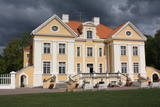 |
Palmse Manor is known to be considered as one of the most beautiful manors in Estonia. The manor has been mentioned first in 1510 as a property of women's monastery. In later centuries it belonged to Palenu family. Manor was built in 1697 but it was made the way we see it nowadays in 18th century. It has been renovated one more time in 1970-1980's. Around the building is a big and scenic park with several ponds. Inside the manor you can become familiar with its interior and visit the basement as well as buy Estonian wine. |
|
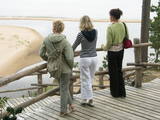 |
At the estuary of the Inčupe River, there is the White Dune, which is around 18 metres high and is the most lovely element of the Vidzeme shoreline among those that have been created by the wind, sand and sea. There is a wooden footpath (the Saulriets trail) which is meant to view, but also protect the dune. It has a viewing area, too. The territory to the south of the river is in the Piejūra Nature Park.
|
|
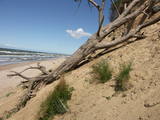 |
Ancient legends say that ship sank in the sea near the old cemetery during a storm and during a worship service. The pastor and members of the congregation volunteered to use a rowboat to save the crew of the ship. Some of the men were rescued, while others were washed ashore. In honour of this tragic, but also happy solution, the captain called the place Feliksberga, or the Lucky Shore. Later it became known as Pilsberga, and it was renamed Jūrkalne only in 1925. |
|
 |
The restaurant is located half an hour's drive from Madona. Every time dinner "Evening on the Lake" is chosen by other chefs. |
|
 |
The farm borders the city of Zilupe. Melons, watermelons, and pumpkins are grown here in an open field. The host is one of the few Latvian birch bark craft masters, the hostess comes from an old family of gardeners and is a certified floral designer, and their son is a potter. All of them offer demonstrations, creative workshops, and accept orders. |
|
 | ||
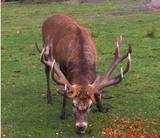 |
he wetland meadows that are around the Pededze River are the site of this 200 ha farm with some 350 red deer, other deer and wild boar. There are towers from which you can watch the graceful animals, and there are ponds for commercial fishing. Please contact the owner well in advance for a tour. |
|


