
| No | Name | Description |
|---|---|---|
 |
This is one of the oldest open-air museums in Europe, featuring 118 old buildings from all cultural and historical regions of Latvia. You’ll be able to our farms, craftsmen’s and fishermen’s farms (including Liv ones), and a farm once owned by Russian Old Believers in Latgale. Annual celebrations are held, and educational programmes are available. Craftspeople do their work at the museum, and you can quench your thirst at the Priede saloon. |
|
 |
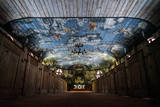
At Estonia's oldest and largest beverage producer, brewery A. Le Coq, visitors of the brewery museum are invited to get acquainted with the history of beer brewing and beer culture, modern beer production as well as taste the beer. More than 2000 exhibits, opportunity to taste beer and other delicacies in the tavern of museum. You can buy beer and snacks to go with it, as well as souvenirs in the small store of the museum. |
|
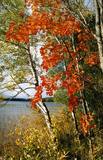 |
This area protects the landscape of the Lielauce hillocks, which are a part of the Eastern Kurzeme highlands. Lake Zebrus and Lake Svēte are in this territory. On the north-eastern shore of Lake Zebrus one can see the Ezerlūķi castle hill. On the eastern shore of the lake is a boating area, along with a viewing tower and a set of information about the area. The territory includes protected biotopes such as stream swamps and swampy forests, along with protected birds and species of bat. |
|
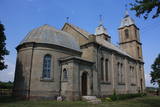 |
Atrodas nomaļā vietā, 0,7 km no Daugavpils – Krāslavas (A 6) ceļa, Daugavas virzienā. Dievnams celts 1933. – 1938. gadā koka kapelas vietā pēc Prāvesta Vaclava Kozlovska projekta, kurš pats arī vadījis celtniecības darbus. Dievnams celts no lieliem cementa ķieģeļiem. Tā lielajā altārī novietota Svētā Antona glezna, bet sānu altārī – Jaunavas Marijas statuja. Gan glezna, gan statuja ir pārvesta no Izvaltas baznīcas. Ikdienā baznīca apskatāma no ārpuses. |
|
 |
The main building of the grand manor Alatskivi has a restaurant serving local specialities. The rich history of the manor house connects Estonian peasant culture, Baltic-German culture and Scottish culture depicted in the manor's architecture. The restaurant menu combines these three values. Favourites of the guests are Peipus pike perch and pork chop, but many guests also love the surprising Scottish dessert and local onion jam. |
|
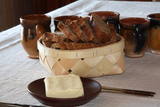 |
This is an authentic Lettigalian farm which dates back to the early 20th century. It features a house, granary, cattle shed, sauna and smithy. Folklore groups perform here. You can celebrate the Summer Solstice, attend a St Michael’s Day market and learn ancient craftsmanship skills. Lettigalian foods are served to groups. |
|
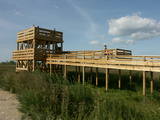 |
This is the only viewing platform in Latvia which is wheelchair-accessible. From the second level, you can see much of the restricted territory – areas of reeds, some wetlands, dunes and the estuary of the Daugava River. This is a good location for bird-watching.
|
|
 |
At the Žīguri Parish kindergarten, guests are offers a guided tour of forest life. The owner’s stories about the forest and its residents will be of interest to everyone. The Anna Āze Forestry Museum offers some of the true treasures of Latvia’s surprising forest world. It has been declared the best destination for families in Latvia.
|
|
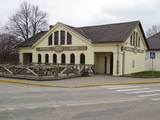 |
Atrodas Dundagas centrā, Talsu un Pils ielas krustojumā. Bistro tipa ēdināšanas uzņēmums, ko iecienījuši vietējie iedzīvotāji un pilsētas viesi. |
|
 |
Meklējams pie Gulbjiem – Dvietes senlejas informācijas centra. No torņa labi pārskatāma ūdeņiem bagātos pavasaros pārplūstošā Dvietes paliene, dzīvei savvaļā pielāgoto mājlopu aploki un izlīkumotā Dvietes upīte. |
|
 |
No ģeogrāfiskā un kultūrvēsturiskā viedokļa interesanta teritorija Latgales augstienes Rāznavas paugurainē, kuras nozīmīgākie resursi ir dažāda veida biotopi, ainavas, reljefs un Šķaunes ezers. Istras pauguraines dabas parkā nav ar tūrismu saistīti labiekārtojumi, bet šo teritoriju var apskatīt arī „no malas”, braucot pa grantēto ceļu no Soboļinas uz Osinovku, kas iet līdztekus parka ziemeļu robežai (skats uz Šķaunes ezeru).
|
|
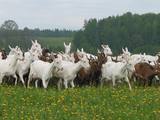 |
This is one of the largest goat farms in Latvia, with approximately 160 pedigree goats (Alp, Anglo, German White Noble and other breeds), as well as pigs for breeding purposes. You can take a tour and help in herding the goats. Kid goats can be seen in the spring. You can taste various kinds of cheese, ice-cream made from goat milk and watch how the goats are milked (around 5:00 PM every day). You can also taste and purchase canned meat. No preservatives are ever added to the farm’s products. |
|
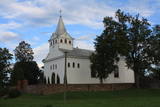 |
Atrodas Jasmuižas austrumdaļā. Dievnams celts 1815. g., bet pārbūvēts 1932. g. |
|
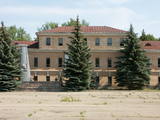 |
1275 is considered as a year of foundation of Daugavpils. This is the time when the Master of Livonian Order Ernst von Ratceburgs built Dinaburg castle at the Naujene hill fort. It suffered several Lithuanian and Russian invasion until in 1577 the castle was destroyed by Russian troops under the command of Ivan the Terrible. After this event Dinaburg was restored 17 km further on the right bank of the river, where now the town of Daugavpils is located. From 1810-1833a new fortress was built. In 1826 started the building of what is now the historic centre of the town. During the World War I the major industrial companies with workers were evacuated to Russia. During first Latvian Republic, the cultural life in Daugavpils flourished. Most part of the town was destroyed during World War II – in the July of 1944. Nowadays the town is the second largest town in Latvia and is an important economical centre of Latgale historic region. Restoration of Daugavpils Fortress was launched recently; this project can be considered as a unique on the European scale. |
|
|
|
In terms of territory, it is the most impressive dune range in the Baltics. This is the only place in the Baltics, where one can enjoy open dune sands that are still active and, under the influence of wind, form the so-called eolian relief forms. There are trails, wooded trails and a paved bikeway for the conveniences of visitors. In order to protect the dune, The Dunes of Curonian spit National Park has been established . |
|
 |
This site features a folklore trail to explain the content of ancient writings, symbols and folk songs. Visitors can learn about the importance of plants in human health, sing songs and play games. On offer are various lifetime rituals, including baptism and so on). There are fire and sauna rituals and annual festivals. Register in advance for a traditional meal. |
|
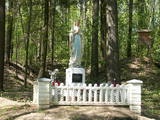 |
The castle hill of Milka is situated near Lake Sālaja and River Malta; 27m above the lake level. Local
businessman cleaned the hill and placed the statue of Mother of God there. It is a a symbol of Latgalian
strong faith into God and Virgin Mary.
|
|
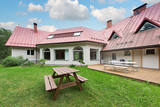 |
Conference and recreation center "Zvīguļi" is located in the territory of Gauja National Park, 10 km from Sigulda - with picturesque and untouched nature on one side and Sigulda highway (A2) on the other. From the inner courtyard there is a forest, from which, walking along a relief, nature-created and well-groomed path, you will reach the bank of the river Gauja in 15 minutes. It offers accommodation in rooms of different comfort or in a common room. There is a spacious and modern kitchen. The guest house also has a quadruple Finnish sauna. If necessary, catering will be provided by our partners. Active leisure opportunities nearby - toboggan run, bicycle rental, fishing, boating, quad and motorcycle track, horse riding. |
|
 |
Located in the centre of Madona, the café offers foods based on fruit and vegetables from its own garden. |
|
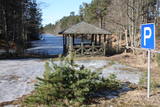 |
The Vecročupe river flows out of the artificial Vaide pond. It was created by blocking the Vaide and the Kukšupe rivers. This happened during the Soviet occupation, when forestry people decided to establish a fishing pond and an area for recreations. A wooden pergola has been installed at the pond, and there is an information stand, as well. On the northern shore of the pond is the Vaide cemetery, which dates back to 1928 and has interesting wooden crosses. |
|


