
| No | Name | Description |
|---|---|---|
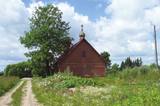 |
Rimši Old-Believers Prayer House. The church was built in the
beginning of the 20th century.
|
|
 |
Kuģinieku drošībai 1875. g. celtā bāka stipri cieta 1. pasaules kara laikā. Savu tagadējo izskatu tā ieguva pēc atjaunošanas 1922. g. Bākas uguns atrodas 21,3 m v.j.l. un tās detaļas savulaik vestas no Francijas. Pie bākas ieejas 1975. g. uzstādīta piemiņas plāksne par godu bākas simtgadei. Pie bākas atrodas bijušās padomju armijas militārās bāzes atliekas. |
|
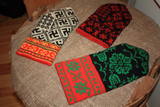 |
The basic exhibition at the museum, “Traditions Related to the Sewing and Wearing of Bārta Folk Costumes From the 19th to the 21st Century”, features folk costumes for unmarried and married women, as well as for men, emphasising the diversity of elements therein. Visitors can help to embroider or weave blouses. The Bārta Ethnographic Ensemble offers two educational programmes – “The Bārta Folk Costume” and “Singing Women From Bārta”. |
|
 |
Krodziņš "Mežavējš" atrodas Rīgas - Liepājas šosejas 101. kilometrā. Krodziņa ēdienkartē iekļauti latviskie ēdieni. Latviešu virtuve: Skābu kāpostu zupa, biešu zupa, skābeņu zupa, aukstā zupa, kartupeļu pankūkas, plānās pankūkas ar ievārījumu, šmorētas cūkgaļas ribiņas, zemnieku cienasts, mājas kotletes, auzu pārslu kārtojums, rupjmaizes kārtojums. |
|
 |
Boutique Hotel Altenburg mājo vairāk nekā divus gadsimtus senā koka ēkā, kas ir viena no ievērojamākajām Talsu vecpilsētas arhitektūras pērlēm. Kādreiz gandrīz pamesta un nolaista, šī ēka piedzīvojusi rūpīgu restaurāciju, atgūstot savu šarmu un vēsturisko stāju. Viesnīcas interjers ir harmonisks līdzsvars starp wabi-sabi pieeju, rustikālu eleganci un dabiskām faktūrām — te dominē koks, akmens un lins. Katrā telpas detaļā jūtama pārdomāta izvēle un cilvēciska piesaiste. Dizaina koncepciju radījis Roalds Cinis, bet apdari papildina vietējo meistaru roku darbs: “Ciparnīcas” keramikas trauki, darināti pledi un Latvijas tējas. Viesiem piedāvāti seši divvietīgi numuri, koplietošanas virtuve un mājīgs salons, kā arī klusas lasīšanas vietas ar grāmatām un mazs vīna pagrabiņš. Boutique Hotel Altenburg atspoguļo lēnās dzīves filozofiju — tā ir vieta nesteidzīgai atpūtai, klusumam un pievēršanās sev. |
|
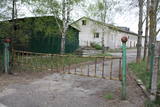 |
The Latvian Border Guard still uses some of the Soviet-era guard facilities that are at this location.
|
|
 |
The café is in the centre of Lielvārde and offers a full feeding service, including breakfast, dinner, supper. Latvian cuisine: Cold soup, fresh cabbage soup, baked carp or catfish, steak haché, grey peas with bacon, pancakes. |
|
 6 days
|
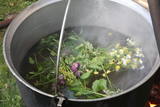
Latvians live in close connection with nature and annual circle of life. The ancient knowledge how to use the goodies of the nature is still very much alive. Wild mushroom and berry picking is very popular as well as collecting of herbs and flowers for teas and infusions. This tour is trying to give an insight of various angles how to use and enjoy nature's resources. The route goes to Kemeri National Park which is rich of flora and also interesting for its sulphur springs which water is used to improve several health related problems. Then you visit farm which specialises on herbs and teas where owner is keen to share her knowledge about different properties of the plants and how they can be used. Then there is a sightseeing at picturesque Kuldiga and proper fishermen soup on bone fire by the coast at Pavilosta. Next day short trip in the river by traditionally made fishermen boat and experience trip how to make meals using wild products. Sightseeing at Liepaja with white sandy beach and exiting military heritage. Overnight at the Pape Nature Reserve. There is a chance to fish in the lake and learn traditional fish smoking technique. Visit Rucava tradition house where you can feel and see ancient cultural environment and try typical meal. Then you visit Shitaki mushroom grower and could taste them. Afterwards visit to herbal tea growers and producers. Excursion to reproduction of ancient Semigalian Castle. Next day wild mushrooming expedition into forest awaits and preparation of collected ingredients. In the afternoon visit to the producer of products from birch juice where you could learn how to extract the juice from the birch tree and try its juice and sparkling wine. Then back to Riga. |
|
 |
The owner has a collection of some 2,000 spoons which he has carved from 70 types of wood from trees and bushes during more than 30 years. The smallest spoon is made of osier, while the largest one, “A European Spoon,” is larger than the height of a human being. The artist also produces paintings made of wood. You can watch him at work, purchase the spoons, and tour his museum. |
|
 |
The tower offers a look at the historical centre of Limbaži , the castle ruins, and the landscape all the way to Lake Dūņezers. The Limbaži castle was part of Latvia’s earliest fortifications, and its unique gates survive to this very day. Keys to the tower can be found at the museum. This is part of the ZBR. |
|
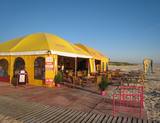 |
Beach cafe at the end of Jūrmalas Street, by the beach, in Liepāja. Live music in the Wind Garden on Wednesdays, Fridays and Saturdays. Offers breakfast, lunch, dinner, coffee and drinks. |
|
 |
This is a comparatively large lake (3 km long and 1.3 km wide). It is shallow (no more than 1.1 m deep) and is classified as a seashore lake. The Vecslocene River flows through it. At the southern end, there is a narrow stream which connects Lake Sloka with Aklo Lake – a shallow and small lake with a dolomite bed at some locations. The best view of Lake Sloka can be seen from the bird watching tower on its north-western shore. This is the only floating bird watching tower in Latvia. Alongside it is the beginning of the 3 km Lake Sloka hiking trail, which passes through the flooded wetlands of the lower reaches of the Vēršupīte. An information stand can be found on the shore of Lake Sloka by the car park. Beyond it is a sulphurous spring. |
|
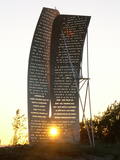 |
In Ošvalki, which is between Jūrkalne and Sārnate, there is a commemorative sign, “Sail of Hope,” which commemorates Latvians who sought to cross the Baltic Sea to Sweden during the latter period of World War II in 1944 and 1945. The sign is in the dunes between the road and the sea. |
|
 |
The craftsmen's association unites 65 craftsmen from Rūjiena and its surroundings. Offers baking, jam cooking, cheese tying, jewelry making, leather goods, crochet and culinary master classes. Also offers "Made in Rūjiena" tastings (bread, smoked products, culinary products, jams, fresh juices, pumpkin products, seasonal berries and fruits, other dishes in each season) and shopping. |
|
 |
This facility is on the southern shore of Latvia’s second-largest lake with a lovely view of it. Lettigalian foods are prepared from local ingredients, some of which are grown on site. |
|
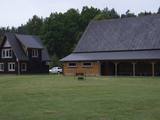 |
Just 20km from Valmiera down the river Gauja in Gauja National park theritory we own fabilous place for lovers of leisurely holidays with good active tourism possibilities. Main building with kitchen, shower, WC and higher standard accomodation possibilities. Big shelter with lodges next to it. Big area with fireplace. Sleeping facilities in 2 nd floor and some extra sleeping facilities and big shelter in separate building. There are You can find marked bicycle trail Valmiera-Cēsis next to the CAMP CAUNĪTES. Guests can use canoes for fishing or short tours along the river Gauja. |
|
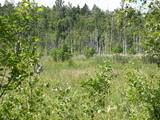 |
This swampy territory used to be part of a Littorena Sea lagoon, and it is a place where many rare and protected birds such as woodpeckers live and nest. Territory is hard to reach although some of the territory can be surveyed from the Tukums-Kolka road. Wet meadows is called "lankas" in Kurzeme region. |
|
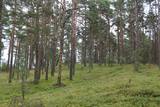 |
This may be an ancient cult object, and today it is a little hill in the dunes that is a bit larger than other local hills. It is said that a church once sank into the dune. This tale suggests that there was a Christian or pagan prayer place here at one time. (Source: Roja TIC) |
|
 |
The Lācīši farm can be found in the Galgauska Parish to the Southwest of Gulbene. One of the largest farms in Northeastern Vidzeme, it specialises in grain farming (577 ha), rapeseed farming (295 ha), and various grasses. It is also a dairy farm with some 100 cows to produce meat and breed calves. There is an interesting room for meetings and presentations, with large glass windows opening up to the cattle barn. The farm actively makes use of EU funding. Contact the farm in advance for tours and exchanges of experiences. |
|
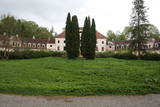 |
Vieta, ko nekādi nevar uzskatīt par tūrisma objektu, bet tajā pat laikā tas ir Latvijas mērogā nozīmīgs kultūras un vēstures piemineklis, ko nevar nepieminēt! Laikā no 1923. – 1943. gadam muižas pilī atradās Latvijā zināmākā mājturības skola, kurā mācījās izslavētās kaucmindietes! Tagad muižas pils ir pamesta, avārijas stāvoklī un apskatāma tikai no ārpuses un „pa gabalu”. Ap 1780. gadu celtā pils, kas 1909. – 1912. g. tika pārbūvēta pusloka būvapjomā, ir Latvijai diezgan unikāls arhitektūras paraugs. |
|


