
| No | Name | Description |
|---|---|---|
 |
Iespēja iepazīties ar savvaļā augošiem un kultivētiem ārstniecības augiem, pašiem tos ievākt, izbaudot Latgales neskarto dabu, sasiet ārstniecības augu slotiņu veselībai un pirtij. Nodegustēt augu tējas lauku klusumā vai tieši otrādi - kopā ar „Muzikantu ciema” muzikantiem, piedaloties jautrās aktivitātēs, iepazīties ar bagāto latgaliešu tautas dziesmu un polku pūru. |
|
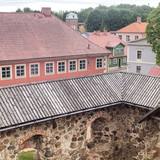 |
It is believed that at the Kezberkalnins of Limbazi has been Lemisele castle of Metsepole Liv district. It is also found in the reports that merchants travelled to this place from the sea by Svētupe and Dunezers until the 16th century. In 1223 Bishop Albert built a stone castle in Limbazi. Like Valmiera, Limbazi became the member of Hanseatic League. At the beginning of 16th century it economic role declined significantly since Svētupe and Dunezers became unusable for shipping. Between the 16th and 18th centuries, the town and its people suffered from wars, diseases and fires. As a result, the population reached its utmost fall - eight people. In the turn of 19th and 20th century and in the beginning of 20th century the economic life of the town was renewed. |
|
 |
This farm has been offering cheese for 20 years, with milk coming from its own dairy cows. The farm sells cheese at major markets and fairs in Latvia. |
|
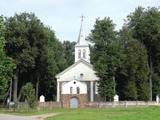 |
Sts. Peter and Paul Roman Catholic Church of Ozolmuiža was built in 1820 by the foundation of
counts Plāteri-Zībergi. It is a stone building with a small bell tower. The church has a huge stone altar with
four columns and a massive cross. It is a monument of state importance.
|
|
 |
The Kaigari farm is in the Mežotne Parish of the Bauska Administrative District and specialises in grain farming. The farm makes active use of EU funding, some of which has been used to buy modern agricultural equipment. The farm has some 400 ha of land, and the apple orchard offers a very beautiful landscape, including the Lielupe River valley. |
|
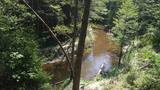 |
Nature trail "Curves of Riva" starts at Ulmale-Labraga Lutheran Church and continues 3 kilometres down the picturesque downstream of river Riva. Rīva here flows in a canyon-type ravine which reaches 12 meter rise at some points. The trail reveals countless river twists and turns and steep coastal cliffs. The trail is partly accessible with an assistant and is marked with green paint. |
|
 |
This is like a sauna village which has several saunas of different types. Visitors can rate where the steam feels the best and learn about the history of saunas. We have a cave, Finnish and Estonian saunas and a sweat lodge. |
|
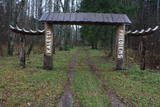 |
Kalētu muižas bijušais medību dārzs. Muižas laikos šeit ierobežotās platībās turēja meža dzīvniekus, kuru medības bija populārs muižniecības izklaides veids. Parkā uzmeklējams piemiņas akmens Krievijas imperatoram Aleksandram III, kurš šeit nošāvis briedi (irsi). No Kalētiem Latvijas teritorijā „ienāca” staltbrieži, kurus medību vajadzībām 1848. g. atveda no Vācijas. Parkā izveidotas takas un atpūtas vietas. |
|
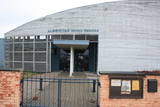 |
Atrodas Celtnieku un Z. Mauriņas ielu krustojumā. Dievnams uzcelts 2000. gadā modernās arhitektūras formās (arhitekti Aija un Andris Kokini), kas simbolizē Noasa šķirstu vai zviedru laivas, kas atnesušas kristīgo ticību. |
|
 |
The five-story hotel with a tower at its centre was built in the style of Neo-Classicism between 1933 and 1936, and it is known as the "White House" or "White Ship." The building is seen as one of the most outstanding structures of the first period of Latvian independence, and it was one of the symbols of the independent state. The building has survived, as have some of the interior design elements and artworks of the vestibule, music salon, library and dining hall. The Ķemeri Hotel is also known for having served as a set for the Aigars Grauba film "Terrible Summer." In 1998, the sanatorium was privatised by the Ominasis Italia S.R.L. company. Restoration has continued for more than a decade, and the building can only be viewed from the outside. There is a garden on its western side. |
|
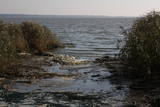 |
Das beinah 100 km langes und bis zu 36 km breites aus dem Süßwasser bestehende Haff, das im Norden mit der Ostsee verbunden ist. Das Haff trennt vom Merr die eindrucksvolle Kurische Nehrung. Ins Kurische Haff mündet der größte Fluss Litauens Nemunas ein. |
|
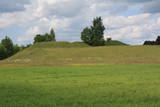 |
This is one of comparatively few castle hills along the banks of the Daugava River that is not overgrown with trees and bushes, which means that it has a classical castle hill form that is part of the local landscape. The Dignāja castle hill was settled during several periods, particularly between the 5th and the 9th century AD, when it was an important centre. Archaeologists have found that Lettigalian tribes lived here. After the Holy Crusade invasion, the Livonian Order built a castle on the hill that has not survived. It is said that there was once an underground passageway under the hill. The hill itself offers a lovely view of the Daugava River valley. World War I trenches have been preserved the area. There was once a settlement at the foot of the hill. |
|
 8 days
|
If you enjoy an active lifestyle, then this tour is the perfect way to enjoy the heritage hidden in Gauja National Park, from several different perspectives. Cycling starts at Strenči and passes two local breweries at Brenguļi and Valmiermuiža with nice cafés and good beer. You will hike through beautiful forests and along the Sietiņiezis sandstone cliff towards Cēsis with its charming medieval Old Town. Canoeing takes place from Cēsis to Līgatne, which is one of the nicest parts of the River Gauja with its sandstone banks, remote farmsteads and old fashioned water-powered ferry. Līgatne historic centre is connected with the development of its paper mill. Here you can also visit local wine and handicraft producers located in one of the artificial caves typical of the area. Walk the Līgatne Nature Trails to see local wild animals in a forest setting. At the end you will cycle from Līgatne to Sigulda, which is one of the most popular tourist sights in Latvia. You'll see the Turaida and Sigulda medieval castles, Gutman’s Cave and other picturesque views. |
|
 |
Līga Reitere is a ventiņi story teller and a specialist in herbs, and in an old school classroom, she teaches penmanship and the ventiņi dialect. An informational tour is available, and visitors can purchase products and souvenirs from Kurzeme. |
|
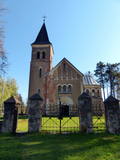 |
This, the third church at this location, was built in 1906 at the initiative of and financing from Gotthard von Budberg, who dedicated it to his late wife, Gertrude. The Walker company organ in the church was built in 1906 in Ludwigsburg in Southern Germany. In 1992, a memorial plaque to commemorate people from Gārsene who were repressed by the Soviet regime was consecrated at the church. 100 m to the East is a cemetery where we see the legendary chapel of the Budberg dynasty, as well as the graves of the noblemen. The church is open to visitors. |
|
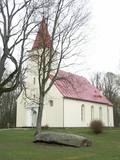 |
Located in the
|
|
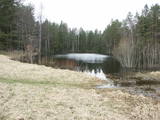 |
This is a part of Latvia in which various manifestations related to layers of earth made up of water-soluble lime can be found. The most unusual elements here are Lake Vecezers and Lake Linezers. The water of the latter lake has flowed underground several times over the last few decades, with the remaining lake hole as much as nine metres deep. No one can fully explain how this happens. A tourist trail encircles Lake Linezers.
|
|
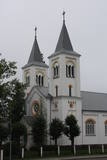 |
The church was built in the Neoromantic style between 1936 and 1939 on the basis of a design by the architect Pavlov. It was consecrated before the completion of construction, this happening in 1937. The church honours the Anguished Mother of God, and the central altar is dedicated to her. Icons in the building date back to the early 20th century, and a statue of the Fatima Mother of God is in the yard near the entrance. |
|
 |
Lõosilma farm is only 10 km away from Pärnu; it is engaged in the cultivation and processing of agricultural products. Delicious canned food is prepared from the vegetables in the farmhouse kitchen, and many of the products have gained national taste titles. The farm has camper parking powered by solar energy. |
|
 |
Mākoņkalna pagasta "Itkaču mājās" ir iespēja ieturēt maltīti- plānās pankūkas ar dažādiem pildījumiem, kartupeļu pankūkas, dārzeņu sautējumu. Iespēja apciemot trušus, pabarot tos ,paglāstīt un paturēt sev klēpī. Pieejami saimnieku veidoti suvenīri. |
|


