
| No | Name | Description |
|---|---|---|
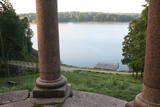 |
These are beautiful and impressive views, particularly early in the morning, of the historical locations of Alūksne. Go to Templis Hill, the Aleksandrs Pavilion, the obelisk which commemorates Heinrich von Fittinghoff, and the memorial to soldiers of the No. 7 Sigulda Brigade for good views. The Templis Hill, the castle ruins, the estate and the pavilions are arhitectural monuments.
|
|
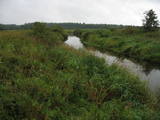 |
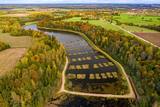
Palieņu pļavas starp Rūjienu un Rūjas ieteku Burtnieku ezerā, kurām raksturīga liela augu un putnu sugu daudzveidība. Tās robežojas ar bijušiem Rūjas zivju dīķiem, kas šobrīd aizaug ar mežu. Rūjas palienes var vērot gan braucot ar laivu pa Rūju, gan arī no ceļa, kas ved uz minētajiem dīķiem. Tur izvietots informācijas stends.
|
|
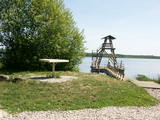 |
Viewing tower on pontoons, and there is a footpath to get to it. The tower offers a view of nearly all of Lake Sloka, all the way to Kauguri. Particularly visible is the northern part of the lake. There is also a sulphur spring. The site is good for bird-watching throughout the year, including the winter, because parts of the lake do not freeze over. |
|
 |
Saimniecības laukos ganās ap 300 aitu kupls ganāmpulks, no kura iegūst gaļu un vilnu. Piedāvā ekskursiju, kurā stāsta par aitu audzēšanu, cep maizi, auž un uz ugunskura vāra zupu. Apmeklētāji var iegādāties adītas zeķes, cimdus, segas, lakatus, galdautus un citas saimniecībā noderīgas lietas. Stāsta par atjaunotās mājas vēsturi un kopj latviskās tradīcijas. |
|
 |
The National Selection Station at Stende was established in 1922 and is in the Lībaga Parish of the Talsi District – the Dižstende farm. The station conducts scientific work related to grain selection, cattle farming and other conventional and biological types of farming. Visitors can taste grain products that are produced at the facility.
|
|
 |
The farm is on the banks of the Daugava River and grows various berries, apples and pears. You can taste the fruit and berries in the garden and by products, as well. |
|
 2 days
|
Путешествие для гурманов и любителей путешествий, в котором будет возможность попробовать не только традиционные курземские блюда, как скландраусис и копчушка, но и блины, приготовленные из свежемолотой муки, крестьянский сыр, домашнее вино и другие дары села. Кроме дегустации даров села, будет возможность пройтись по природным тропам и познакомиться с культурно-историческим наследием. Информация о маршруте от Latvijas Lauku forums |
|
 |
Atrodas mežā, netālu no Kaltenes. Labiekārtota (laipas, kāpnes, informācijas stendi) taka, kas iepazīstina ar Latvijai samērā neparastu dabas pieminekli (aizsargājams) – Kaltenes kalvām, kas ir lieli, līdztekus Rīgas jūras līča krasta līnijai orientēti laukakmeņu krāvumi. Uzskata, ka tos veidojuši Baltijas ledus ezera ūdeņi un ledi. Garums – ap 1,5 km. |
|
 |
The café is in the historical centre of Tukums and offers various Latvian baked goods and pastries. |
|
 |
The café is in the former administrative building of a collective farm in the centre of Gaigalava. It cooks dishes with ingredients from its own farm and others. |
|
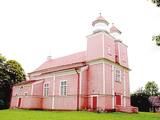 |
Located in the southern part of Feimaņi, the church was built between 1756 and 1760. The local estate was owned by the Korff dynasty, and the denomination of the congregation changed when the family converted from Lutheranism to Catholicism. This church has the largest number of artistic monuments among all churches in the Rēzekne Administrative District, including a confessional bench, pews, an organ prospectus, silver cups and three altar wood engravings from the 18th century. Above the gate is a bell tower with four bells. During Holy Week, clappers are used instead of bells. They are about 2 m long and 1 m high and are reminiscent of ancient laundry rolls. Feimaņi is also home to one of three flag workshops in Latvia, and it has state-of-the-art equipment. The flag of Latgale was “born” here in ideological and physical terms. |
|
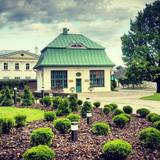 |
Located at Pils Street 25A in Alūksne, this is a building that was initially a trade pavilion and was built in the early 20th century. The Ernst Glück Bible Museum was established in 1990 as the only museum of its type in Latvia and the Baltic States. Glück (1652-1705) was a pastor and educator who was the first to translate the Bible into Latvian. The exhibition features various editions of the Bible from 1694 to the present day in 38 languages, along with books of sermons and other examples of Christian literature. |
|
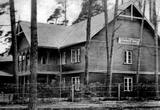 |
The “Strand” Complex – it was the largest and most luxurious recreational complex in Neibāde. It consisted of three buildings, a dance pavilion and a park. Only one building of the hotel, the same as what was once Saulkrasti outpatient clinic at 17 Ainažu Street, has survived until nowadays. |
|
.jpg?size=160) |
The Jokas farm is 4 km to the East of Turlava. Owner Jānis Uzulēns has purposefully developed and expanded the farm ever since it was established in 2011. He is particularly proud of his herd of beef cows, some 70 in all, as well as of five horses. The farm produces sausages and other meat products and also offers services such as managing forests and fisheries. |
|
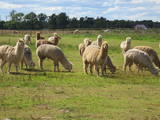 |
This is the largest herd of alpacas (an animal from the mountainous regions of South America) in the Baltic States. You can observe the animals, listen to stories about them, and buy alpaca wool. There are plans to transfer the herd to the Vīceži Estate in the Lībagi Parish in 2014.
|
|
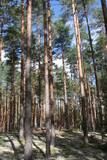 |
This is a stretched-out territory from Valmiera to the Ape Administrative District, and its primary “axis” is the unregulated Gauja River valley with a dense web of old rivers, park-like meadows of oak trees on their banks, and stands of oaks and other broadleaf trees. Many rare and protected birds, including corn-crakes, woodpeckers, wood grouses and others live and breed here. This is also one of the most important places in Latvia in terms of where the deciduous tree hermit beetle lives.
|
|
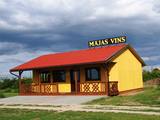 |
The owner uses Latvian products to make and offer more than 20 different wines, including some that are made of exotic flowers. You can taste and purchase wines made of berries, fruit, vegetables and flowers, including white jasmine, the elderberry tree, dandelions, the large cranberry, etc. There is a lily garden alongside which is the largest one in Eastern Europe and offers plants for sale. The day lily garden offers a look at globally famous types of day lilies which can be purchased. Many of these have been developed by the originator of the garden, Varis Baņģieris. More than 1,000 types of day lilies can be seen and purchased. The garden is open from 9:00 AM until 7:00 PM every day in July and August, when the flowers bloom. The owner also offers tastings of homemade wine that is called "Vējkalnietis." |
|
 |
The farmstead grows apples, strawberries, black currants, red currants, etc., berries and fruits; there is a big selection of processed goods: natural juices, nectars and syrups. There are offered apple, strawberry, red currant, gooseberry, sea-buckthorn and chokeberry saplings; consultations are given for making out a commercial garden and taking care of it. Excursions around the commercially grown plants. |
|
 |
Volzbahs ir stāva nogāze ar elpu aizraujošu skatu pāri gravai. Ziemā šeit pieejams vairāk nekā 100 m garš nobrauciens ar slēpēm, sniega dēli vai ragaviņām. Citos gadalaikos Volzbaha kalns ir lieliska atpūtas vieta- šeit ir labiekārtota vieta piknikam, pastaigām, foto sesijām. Rudenī Volzbaha kalns ir viena no labākajām vietām Vaiņodes novadā, kur vērot krāšņos rudens skatus. Volzbahs atrodas 2 km no Vaiņodes centra ZR virzienā. Kalnam ērti var piebraukt klāt ar automašīnām. Adrese: Vaiņodes pagasts, Dienvidkurzemes novads, LV-3435 Facebook: facebook.com/biedribavolzbahs Twitter: Volzbahs |
|
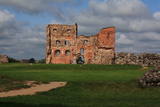 |
Dabiskā zemesragā starp Lielo un Mazo Ludzas ezeru 14. gs. beigās slejās seno latgaļu koka pils, kuras vietā Livonijas ordenis uzcēla Latgales varenāko mūra pili. Tā bija iespaidīga trīsstāvu celtne kvadrāta formā ar sešiem torņiem, trīs vārtiem un divām priekšpilīm. Pēc krievu iebrukuma Latgalē 1481. g., Ludzas pili atjaunoja 1525. g. 1654. g. to atkal izposta Krievijas cara Alekseja Mihailoviča karaspēks. Jau 18. gs. no pils bija palikušas tikai drupas, kas arī mūsdienās ir ļoti iespaidīgas un ainaviskas (ar skatu uz Lielo Ludzas ezeru un baznīcu torņiem). |
|


