
| No | Name | Description |
|---|---|---|
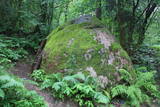 |
200 m attālumā no Gulbenes – Madonas ceļa mežainā nogāzē iegūlis 2,4 m augstais akmens. Tā lēzenajā virsmā iekalta ap metru gara, 0,3 m plata un ap 4 cm dziļa iedobe, bet akmens šķautnē - pakāpieni. Uzskata, ka šis ir sens kultakmens, pie kura ziedots. Lai nokļūtu līdz akmenim, vasaras otrajā pusē var nākties brist pa garu zāli. |
|
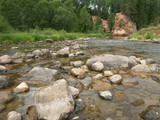 |
The Amata is one of Latvia's swiftest river, and water tourists congregate there each spring to engage in extreme activities. From the Rīga-Veclaicene highway, the Amata flows into a deep valley, with an average drop of more than 3 m/km or, downriver, as much as 8-10 m/km. Water tourists usually use the segment of the river between Melturi and the Zvārte cliff or the Veclauči bridge that spans the Līgatne-Kārļi road. Please remember that the Amata is not a friendly river for beginners. After lengthy rainfall, the river can be navigable during other times of the year, as well. The surrounding valley is attractive because of impressive sandstone and dolomite cliffs, among which the best known are the Vizuļi cliff (which can be the site of beautiful frozen waterfalls in winter), the Ainavu cliff, the Ķaubju cliff, the Dzilna cliff, the Zvārte cliff, and the Lustūzis cliff. Between Melturi and Veclauči, there is the Amata geological trail, which is marked with orange paint on tree trunks. There are three segments to the trail – from Melturi to the Kārļi fish farm, from the fish farm to the Zvārte cliff (both segments can be extreme!), and from the Zvārte cliff to the Veclauči bridge. You can hike the trail at any time except when there is deep snow. The most impressive views will be found when the trees are bare. If you boat down the river, you will not have time to look at or photograph the cliffs, because all of your attention will be focused on the river itself and the obstacles therein. |
|
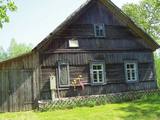 |
The House-Museum of the writer Michael Narics. Reveal the history of political repressions in the
USSR and Soviet Latvia; see creative works of the winners of competition organized by M. Narics Educational
Center.
Working hours: on request |
|
 |
The Krimulda Castle was built in the latter half of the 13th century. It was located where the right bank of the ancient Gauja River valley is split by the deep Vikmeste ravine. The castle was owned by the council of archbishops from Rīga, and it was an impressive structure with a large interior courtyard and a defensive wall that was 1.5 m thick. The Swedish military blew up the castle when retreating in 1601. Today the castle hill is forested, and only a small fragment of the castle wall can still be seen. It is near the ruins that you will find the Sigulda aerial tram and the Krimulda serpentine road – the only object of its kind in the Baltic States. |
|
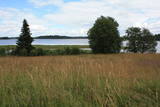 |
Ļoti ainavisks ezers, uz kuru paveras lieliskas ainas no Vidzemes augstienes pauguriem. Te jāatceras latviešu teika par Ineša un Alauksta strīdu, kā rezultātā Inesis dabūja pliķus – salas, kurām (sešām) tāpat kā Sproģu pussalai ir dabas lieguma statuss. |
|
 |
This restaurant-burger shop specialises in 100% Latvian beef burgers, selected pizzas and natural french fries. |
|
 |
Meklējams 0,3 km no Līvānu dzelzceļa stacijas – Fabrikas un Stacijas ielu krustojuma tuvumā. Ideja par Līvānu atbrīvošanas pieminekli radās jau 1929. g., taču to īstenoja 1935. gadā (arhitekts Pāvils Dreimanis). Tā galvenais elements bija 15 tonnas smags Krievijas armijas pamests lielgabala stobrs. 1958. gadā pieminekli iznīcināja, jo tas nebija „tīkams” padomju varai. No jauna to atklāja 2004. gadā. Piemineklis veltīts brīvības cīņās kritušo latviešu kareivju piemiņai, kuri 1919. g. ieņēma un atbrīvoja pilsētu no lieliniekiem. |
|
 |
Atrodas Rīgas – Ventspils autoceļa (A 10) 88. kilometrā, pašā Abavas krastā. Pie stāvlaukuma interesants objekts – senais Zemgales un Kurzemes robežstabs un vēsturisko novadu robeža. Piedāvā kempinga pakalpojumus. |
|
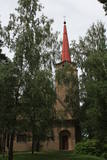 |
The Viesīte Lutheran Church is in Kaļķu Street in the western part of Viesīte, on the so-called Vales hillock which was left behind after the Ice Age. An interesting fact is that the defenders of Viesīte defeated the Bermont army here in 1919. The cornerstone for the church was laid on August 15, 1937 (a commemoration day for military heroes). The building was consecrated in 1939 and restored in 1994. Financing was provided for the construction of the church by Professor Pauls Stradiņš. The altar painting is by Ligita Caune. To the East of the church, at the foot of the Vales hillock is a monument to Stradiņš. |
|
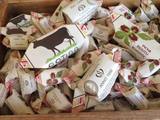 |
Established in 1957, this is the first company to have produced the popular milk candies “Gotiņa.” The tasty candy can be bought, and tours are available. The owner of the company is the main candy master, and he is happy to talk about the complicated method by which the candy is produced.
|
|
 |
Latvia's first grape selector, Pauls Sukatnieks (1914-1989) lived at Apsītes. The house has been restored and contains household and farm equipment, as well as Sukatnieks' library and office. The garden that surrounds the house has local and introduced colourful plants and trees, including rare ones. Visitors can look at the types of grapes that Sukatnieks developed, as well as his vineyard. Alongside the homestead is an information stand about birdwatching in the Dviete wetlands. You can tour the garden and house in the company of a guide. There is space for relaxation and picnics, and the homestead organises work sessions and educational events. |
|
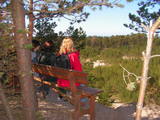 |
One of the highest dunes in Latvia, located between Bernāti and Jūrmalciems villages. It is 37m high and offers a magnificent view of the sea and natural pine forests. The highest dunes in Latvia stand to the South of Jūrmalciems village: the Pūsēnu hill, the Ķupu hill, the Mietragkalns or Tiesas hill, the Pāļu hill, the Garais hill, the Ātrais hill, the Lāvas hill. The Pūsēnu dune is the highest of these dunes which are all called hills by the local people. The Pūsēnu hill developed between 1785 to 1835 when shifting sand became extremely dangerous. Several homesteads were buried in sand, among them „Pūsēni”, where a forester’s family lived. The family is said to have moved to Bārta. The dune was named after the buried homestead. Jēkabs Janševskis, a Latvian writer, wrote in his book „Nīca”: “In olden times, large pine trees were growing in the dunes on the coast of Nīca and they stood steady and firm. But i Swedish times (around 1650), the Swedes built a large kiln for charcoal and tar. Pine wood and stumps provided an excellent material for this. Once a big fire rose, and the charcoal kiln burned down as well as the whole pine forest. The remaining stumps and bare trunks in the vast burnout could not hold the storm-driven sand; it flew further and further burying not only the burned-out forest, but also the nearest fields. In wintertime, when the vast, low marshy grasslands were covered with ice, jets of sand drifted further over its surface, and soon most of the grasslands and large meadows turned into sandy heath-land and dunes.” To reconstruct Liepāja, severely damaged during WWII, a silicate brick factory was built in the town. The main raw material was white sand and it was taken from the Bernātu forest. In the 1960-ies they started to dig off the Green Dune and the White Dune, later also the Pūsēnu hill. The excavators used to work day and night, in three shifts. The work stopped at around 1980, as there was no more sand suitable for production of brick. A trail is set up to facilitate walking in the Pūsēnu Dune in the Bernātu Nature Park. |
|
 |
The dairy makes cheese from old Latvian recipes, doing so by hand, as was the case centuries ago. The products have been awarded the “Green Teaspoon.” Fresh cheese can be smoked. Tours of the company are available, and the dairy accepts orders and delivers finished products. |
|
 1 day
|
Tūrisma gide Ineta Jansone piedāvā ekskursijas grupām uz Melnalkšņu dumbrāja laipu. Melnalkšņu dumbrāja laipa ir viena no īsākajām un interesantākajām takām Ķemeru nacionālajā parkā (600 m). Melnalkšņu dumbrājā Vēršupītes krastos novērojami dabiskam mežam raksturīgi elementi – jauni, kā arī veci un dobumaini koki, kritalas, sausoņi, ciņi. Daudzveidīga ir meža putnu fauna. Jebkurā gadalaikā melnalkšņu dumbrājs ir īpašs. Taču visā krāšņumā dumbrājs atklājas tieši pavasarī. Vēršupītes pālu laikā ūdeņi pārklāj lielāko dumbrāja daļu, bet visapkārt zied zeltainās purenes, gaiss vibrē no putnu dziesmām un dzeņu bungošanas. |
|
 12 days
|
The route includes some of the most authentic local expediencies travelling through blue lake districts along the Eastern part of Latvia and Lithuania. This is a region where mass tourism has not yet arrived, and you find very sincere and hospitable people, traditional villages, many churches and cult locations which bring together paganism, Roman Catholicism, Lutheranism, Russian Orthodoxy and Old believers, |
|
 |
Kuģinieku drošībai 1875. g. celtā bāka stipri cieta 1. pasaules kara laikā. Savu tagadējo izskatu tā ieguva pēc atjaunošanas 1922. g. Bākas uguns atrodas 21,3 m v.j.l. un tās detaļas savulaik vestas no Francijas. Pie bākas ieejas 1975. g. uzstādīta piemiņas plāksne par godu bākas simtgadei. Pie bākas atrodas bijušās padomju armijas militārās bāzes atliekas. |
|
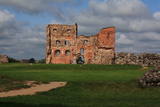 |
Dabiskā zemesragā starp Lielo un Mazo Ludzas ezeru 14. gs. beigās slejās seno latgaļu koka pils, kuras vietā Livonijas ordenis uzcēla Latgales varenāko mūra pili. Tā bija iespaidīga trīsstāvu celtne kvadrāta formā ar sešiem torņiem, trīs vārtiem un divām priekšpilīm. Pēc krievu iebrukuma Latgalē 1481. g., Ludzas pili atjaunoja 1525. g. 1654. g. to atkal izposta Krievijas cara Alekseja Mihailoviča karaspēks. Jau 18. gs. no pils bija palikušas tikai drupas, kas arī mūsdienās ir ļoti iespaidīgas un ainaviskas (ar skatu uz Lielo Ludzas ezeru un baznīcu torņiem). |
|
 |
The beautiful, tidy and artfully laid out farmstead is situated in Jaunpiebalga district. The farmstead is naturally encorporated into the landscape, the old barn is renovated and its top floor is a place for the owner’s workshop and exhibition (she is a softwares artist). The old log house has also been renovated, and the sauna has been rebuilt. A small river flows through the farmstead, and there is also a Tuleja mound on the territory, which is a natural landmark protected by the state. |
|
 |
Kaļķis is a populated area where
dolomite is still extracted from quarries in
the region (Kalnciems2 is one such
quarry). Some of the quarries are flooded.
|
|
 |
The old narrow-gauge railroad. You can still see the station, the baggage
warehouse, the house where the station commander lived, and the path along
which the little train ran back in the day.
|
|


