
| No | Name | Description |
|---|---|---|
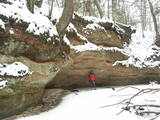 |
The Kaļķupe River valley was established as the Pilsupe River (formed by Kaļķupe River and Mazupe River) crossed the Blue hills of Šlītere to the South of Vīdale and Kaļķi. The distinct river valley has a branched network of gullies in which Devonian sandstone has been uncovered and can be seen in some locations. Puiškalns Hill (located at confluence of Kaļķupe River and Mazupe River), which was used as a castle hill and as a sacred location long in the past, is one of the most distinctive parts of the area. It is a popular tourist destination in the Talsi District. Hillside forests, various kinds of meadows and a wide range of plants are also of value in the local environment. |
|
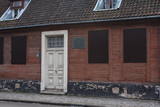 |
Находится на ул. Кунгу, д. 24.Одно из старейших зданий города - деревянный сруб с черепичной крышей, построенный во второй половине XVII века и прозванный в народе гостиницей мадам Хойер. Здесь в 1697 году во время путешествия «Великого посольства» в западную Европу останавливался (инкогнито) русский царь Петр I. Находящееся по соседству здание на ул. Кунгу, д. 26, является вторым старейшим жилым зданием Лиепаи (1699 г.) – жилой дом бургомистра города. Во время Северной войны здесь останавливался король Швеции Карл XII. Оба здания подлежат осмотру только снаружи. |
|
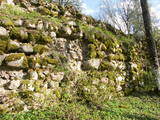 |
The Volkenberga Castle was built in the 13th century by the Livonian Order, and it was practically impregnable, as it was on top of Mākoņkalns hill. These were among the first fortifications in Latgale, and only fragments of the castle remain today. Architect Pēteris Blūms has said that this was a special type of fortification. Legends say that after the lord and lady of the castle died, the property was divided up among their three daughters – Roze, Lūcija and Marija. Each sister built a new castle on the land which she inherited – Roze built Rēzekne, Lūcija built Ludza, and Marija built Viļaka. A memorial plaque at the foot of Mākoņkalns hill recalls the visit which pre-war Latvian President Kārlis Ulmanis paid to Latgale in 1938. |
|
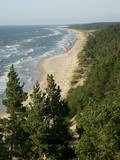 |
Construction on the lighthouse was initially completed in 1879. The structure suffered damage during both world wars and was restored several times. The structure is 19 metres high and stands 46.5 metres above the wavy sea. Here you will find one of the loveliest views of the shores of the Baltic Sea.
|
|
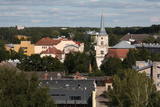 |
The tower of St Catharine’s Church in Valka opens up a view of the “twin towns” of Valka in Latvia and Valga in Estonia. You can see the former border crossing, the St John’s Lutheran Church of Valga, and a shop in Valga which is visited by many Latvian residents. This is part of the ZBR.
|
|
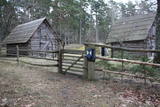 |
Approximately 200 metres to the North-East from the Liv People's Centre, along the Mazirbe-Košrags road, there is the Seppes homestead. The little log granary was built in the 1920s and 1930s by an Estonian fisherman and builder who arrived in Mazirbe from Saaremaa. He was called Jēkabs Jaga. On the other side of the road is the Kalši home, which was built in the early 20th century. It has been restored, but the bricks that were made in a local kiln were preserved for its walls. |
|
 2 days
|
This route leads through the Curves of Daugava nature park, which is an area that was once to be flooded for the construction of the Daugavpils hydroelectric power plant. The central artery in the park is the ancient Daugava River valley, and the specific here is eight grand curves with a length of 4-6 km. The highest banks of the river are at the so-called Daugava gate, with the mighty Ververi and Slutiški cliffs. More than ½ of the territory is forested for hiking, nature watching, berry picking and mushroom hunting. The Daugava River valley has one of the greatest diversities of flora -- >800 different kinds in all. This is also a multinational environment with Lettigalian, Lithuanian, Polish, Russian and Belarusian traditions and heritage. The Slutiški village, which is unique in Latvia, is popular among tourists. Route information from Latvijas Lauku forums |
|
 |
Atrodas Kokneses tūrisma centra telpās (1905. gada ielā 7). 160 cm garais un 120 cm augstais makets ir Vittingenas (Vācija) dāvinājums Koknesei, atzīmējot 10 gadu sadraudzības jubileju. Šāda Kokneses pils izskatījās ap 1701. gadu. |
|
 |
This company has, for the past 16 years, produced classical candies of honey, peppermint, ginger and buckthorn, as well as other products. It also offers juice made of the common stinkhorn mushroom – a medicinal substance well known in Latvian folklore. You can purchase the products that are on offer. |
|
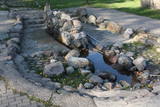 |
Atrodas 0,1 km austrumos no katoļu bazilikas. Jau no 1825. g. Svētavota ūdeni izmantoja dziednieciskiem mērķiem. Līdz 19. gs. 40. gadiem avota ūdens īpašības bija izslavētas tāpat kā Aglonas Dievmātes svētbildes brīnumdarītājas spējas. Tās savulaikapstiprinājusi Viļņas ārstu komisija un Pēterpils akadēmija, taču ap 1840. g. avots savas īpašības esot zaudējis. Tomēr arī mūsdienās svētceļnieki joprojām tic avota spēkam. |
|
 |
The owner of the farm grows petunias, geraniums, balsams, asters, snapdragons and other plants, also designing beautiful pots of flowers. She organises seminars on biological farming. Visitors can purchase plants, pick black currants from a bush, and pick tomatoes from a vegetable bed. Tastings are available, and there are rabbits on display, as well. |
|
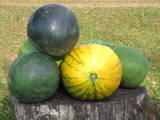 |
The owners began to grow watermelons in 1997, using types that are appropriate for the climate in Latvia. Of particular interest are watermelons which have a yellow interior. The largest watermelon that the farm produced weighed 11 kg. During the season, you can purchase watermelons and hear advice from the owners. |
|
 1 day
|
Dodieties ekskursijā, lai gūtu ieskatu lauku profesijā un dzīvesveidā, kā arī iegūtu jaunus iespaidus un labu atpūtu visai klasei. Ekskursijas laikā apmeklējiet mini zoo, kur apskatāmas aitas, kazas, Ķīnas lielās cūkas, truši, dažādi eksotiskie dzīvnieki un putni. Bērniem īpašu prieku sagādā saskarsme ar mājdzīvniekiem un Japānas makaka – pērtiķa Nilsona izdarības. Pēc tam apmeklējiet zemnieku saimniecību, kurā izveidots atrakciju parks ar vairāk kā 20 atrakcijām 3,5 hektāru platībā. Ekskursijas noslēgumā dodieties uz atpūtas kompleksu pašā Zemgales sirdī, lai apskatītu vējdzirnavas un izceptu paši savus pīrāgus. |
|
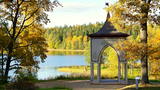 |
This landscape park dates back to the latter half of the 18th century, and its initiator was the owner of the Alūksne Estate, Baron Otto Hermann von Fittinghof. The largest park has important small buildings – the Alexander Pavilion, a temple honouring the Ancient Greek god of winds, Aeolus, the Palm House, a 1799 granite obelisk, the mausoleum for the noble family, a fountain basin that is made of a single piece of granite, as well as a set of granite benches. This is known as one of the most beautiful parks in Vidzeme. |
|
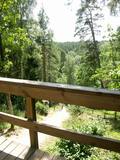 |
This is one of the most lovely and expressive castle hills in Latvia, with a very fine view of territory all the way to Lithuania. According to Ernests Brastiņš, a researcher of castle hills in Latvia, this was the site of the Semigalian Sidrabene castle. There are no improvements in the area.
|
|
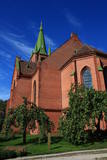 |
Mūsdienās redzamais iespaidīgais dievnams tapis ilgākā laika posmā. Jau 1870. g. latviešu draudze sāka vākt ziedojumus neogotiskās baznīcas celtniecībai, ko pabeidza 1904. gadā (V. Neimaņa projekts). Ēkas iekšpusi rotā dekoratīvi zvaigžņu velvju griesti, bet tās altārdaļā izvietotasmākslinieka J. Šķērstena veidotās vitrāžas (1940. g.) un 17. gs. kristāmtrauks. Baznīcu ieskauj plašs dārzs. |
|
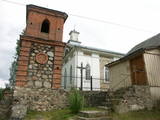 |
Daugavpils – Krāslavas (A 6) ceļa malā redzamais dievnams uzcelts ar Plāteru dzimtas pārstāvju – Vaclava un Kazimira Plātera atbalstu 1811. gadā. Dievnamu ieskauj metālkaluma un no ķieģeļiem mūrēts žogs, kā arī divi zvanu torņi. Labās puses zvanu tornī karājas vecs zvans. No baznīcas iekārtas ir jāpiemin galvenais altāris, ko rotā Dievmātes skulptūra, trīs biktskrēsli, četras evaņģēlistu sienas freskas un Lurdas Dievmātes glezna. Ikdienā apskatāma no ārpuses. |
|
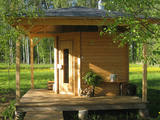 |
Sauna Museum is a private open-air museum founded in 2008. It is located 40 km from Riga by the Murjāņi - Saulkrasti road. The exhibition consists of six historic and one newly built sauna. They all work, but the hosts recommend to enjoy the black sauna. |
|
 |
Farm Maizes māja near Cēsis, where you can gain joy, strength and vitality! This tourism farm offers cognitive and educational programmes for adults and children, introducing them to the traditional Latvian lifestyle and intangible cultural heritage. At Maizes Māja, groups of students, families, friends, and tourists become members of the family and have a lot of work to do, for example, bringing firewood and firing the oven, before baking rye bread or sweet and sour bread from Kaupo rye flour in a proper bread oven. When the work is done, a nice meal is enjoyed together. |
|
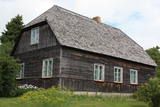 |
The museum was established in 1973 and has been in the Kalna Ziedi homestead since 1989. The permanent exhibition is in a building that was erected in 1989 on the foundations of the former home, while the warehouse (1990) was built on the foundations of a cattle shed. The exhibition hall (2000) was built where a granary once stood. The only part of the former farm that remains in place is the cellar, but the placement of the buildings is typical for the layout of a farm in Vidzeme. The collection of the museum speaks to the history of the administrative district, beginning with information about the Stone Age. The open-air exhibition features beehives with marks of belonging, as well as rare round crosses that are monuments to Medieval cemeteries. 100 metres to the Northeast from the museum is the Kalna Ziedi castle hill, while 200 metres to the south are the remains of a sacrificial oak stump that was destroyed in 1994. The location is on the edge of the reservoir of the Pļaviņas hydroelectric power plant and offers a broad view of the plant’s dam and the town of Pļaviņas.
|
|


