
| No | Name | Description |
|---|---|---|
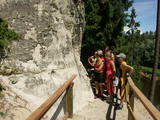 |
In terms of shape, this is one of the most diverse areas of uncovered sandstone in Latvia. Found on the right bank of the Gauja river, the Sietiņiezis is up to 15m high. Small holes that can be seen in the cliff face are created by single and protected insects, which carve tiny caves in the cliff for their caterpillars. A circular and well appointed trail, with stairs, has been installed. It is 1.5 km in length and will take an hour or so to traverse. Objects are in the Gauja National Park.
|
|
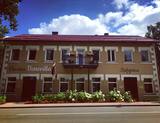 |
Small style hotel (6 rooms) - a cafe located in the historical center of Aluksne, 10 minutes walk from the Livonian castle ruins. Many of the hotel’s rooms have wonderful views, including to Alūksne Evangelical Lutheran Church, Cultural Center, art school, lake. Alūksne Castle Island or Marija Island is nearby; from there you can get to Tempļakalns park via a pedestrian bridge. Prepare your own fresh (frozen) berry ice cream, cakes and custom dishes. Seasonally offers different varieties of fruits and berries: strawberries, apples, pears. Orchard 3 km from the town with 1000 fruit trees. |
|
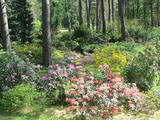 |
This arboretum was established in 1996, when dendrologists Raimonds Cinovskis and Ināra Bondare joined with the local government in Rucava in experimenting with plants on the Rucava castle hill. The first plants were planted in 1998, and ever since then the collection has been expanded in the town centre and outside the Rucava Elementary School. Each year new and exotic plants are brought in from all around the world. A traditional garden festival is held each year in May, when rhododendrons and magnolias are in full bloom. |
|
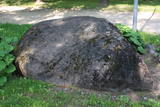 |
Atrodas Kalēju ielas malā. Savu popularitāti ieguvis ar nostāstu, ka Ziemeļu kara laikā pie tā pusdienojis Krievijas cars Pēteris I un Polijas valdnieks Augusts (Stiprais). |
|
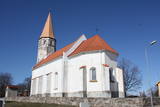 |
The Nereta Lutheran Church is in the centre of Nereta at Rīgas Street 2. The Baroque church features elements of the late Gothic period, and it is seen as one of the oldest churches in Zemgale. It was built between 1584 and 1893 at the initiative of Count Wilhelm von Effern and rebuilt in 1679. There are gravestone reliefs in the church dedicated to Wilhelm and Georg von Effern which date back to the late 16th century. The gravestone for Georg Effern is the most distinguished artwork in the style of early Nordic Mannerism in Latvia. The altar painting was painted in 1863 by P. Handler. The organ was built by R. Knauff in 1893, and the stained glass windows were produced by E. Baiermann in 1900. The chandeliers on the ceiling date back to the 17th and 19th centuries. Visitors can view Nereta and its surroundings from the unique eight-corner tower of the church, which is 38.6 m high. |
|
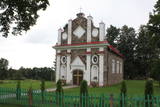 |
Meklējama Gosporos, starp Rīgas – Daugavpils šoseju (A 6) un Daugavu. Apjomā nelielais dievnams būvēts 1820. gadā romāņu stilā no laukakmeņiem senas kapsētas vietā. Tuvāk Daugavai ir izveidota aka, no kuras iztek Svētavots, kam piedēvē dziednieciskas īpašības. Pie baznīcas novietots dobumakmens. |
|
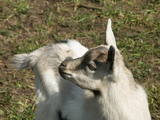 |
The farm breeds goats and uses goat milk to produce cheese and other products. A presentation hall offers visitors a chance to taste ice cream made of goat milk, as well as purchase goat-related souvenirs and other products. There are tours of the farm, too. |
|
 |
RADADA ir radošā darbnīca, kura ierīkota senā ugunsdzēsēju depo. Audumu apdrukas ar saviem orģināliem zīmējumiem rokas sietspiedes tehnikā. Apdrukā apģērbu ar rakstiem un simboliem, kas simbolizē Latvijas dabu, latviešus un to spēku. |
|
 |
"Ziedlejas" offers sauna treatments and events in the contemporary design Glass Sauna, Smīma Spruce Smoke Sauna and Black Sauna, which is located in an unspoilt corner of the forest. The ritual sauna treatment includes heating, herbal compresses, herbal scrub, big beating, swimming in the pond, massage with healing oil and honey, vibrating with sound, tea, home-baked bread. The sauna treatment lasts four to five hours and is led by a sauna master. Various master classes are possible in connection with sauna rituals and the use of plants in healing and beauty care and the preparation of appropriate preparations. Bicycle rental is available, which includes access to the Ziedleju xc / enduro trails, bicycle training and bicycle guide services. It is also possible to organize and lead team building events, as well as team communication trainings. |
|
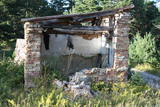 |
A coast guard facility was located near the village of Užava during Soviet times. There is a lack of information about the use of the facility at this time.
|
|
 |
Atrodas ~ 0,4 km no Latvijas – Lietuvas robežas, Sventājas ielejas labā krasta nogāzē. Atrodama informācija, ka avotu tīrot, atklājusies 5 x 5 m ozolkoka „grīda”. Avots ir labiekārtots – virs tā slejas lapene ar niedru jumtu. Vēl pavisam nesen pie tā auga Latvijas dižākā ieva (nolūza), kuras vietā tagad kuplo biezs atvašu pulks. |
|
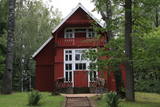 |
This is a homestead that is three km from the centre of Vecpiebalga and is in a lovely place – the Incēni hill. There is a museum here featuring the author of the legendary fairy tale “Pussy’s Mill” by Kārlis Skalbe (1879-1945). The poet and prose writer built the building in 1926 and spent summers there from that year until 1944. The museum was opened in 1987. The western slope of Vaktskalns hill right alongside the museum offers a lovely view of Lake Alauksts. The cremated remains of Skalbe and his wife, Lizete, were reinterred at the location in 1992 from Sweden, where the poet died. There is a unique monument to them in the form of a stone boat. |
|
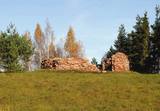 |
Swedish scanst (Kuce Hill, Jumprava Hill). Medieval fortification. The monument of national meaning
is located in the village Stari 450 m from Atspuki mill, 70 mto the Southeast from the ruins of Jumpravmuiža.
The territory is 0,7 – 1 m deep outside and 1 – 1,5 m high inside. The new road to the ruins of Jumpravmuiža
leads through the West side of the fortification.
|
|
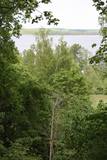 |
This is not a well known castle hill, but it offers one of the most unusual views of Lake Lielezers of Augstroze. There are ruins on the castle hill, and a short hiking trail has been installed to look at them. This is part of the ZBR.
|
|
|
|
Krustceļi Old-Believers Prayer House was built in 1939.
|
|
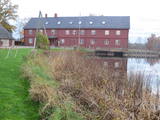 |
The watermill processes wool with equipment that is 100 years old and is used to produce handmade blankets and pillows that are stuffed with sheep wool, as well as souvenirs that can be commissioned and purchased. The watermill offers tours and fresh-baked bread. A wool pulling and wrapping machine that dates back to the 19th century and was manufactured at the Šūberts Rudītis & Co company in the 19th century is still used, as are a unique weaving apparatus from Germany and a grain mill.
Latvian cuisine: Marinated herring with vegetables, porridge, mashed potatoes a la Vidzeme (with fried onions), pancakes with jam made of Latvian berries and honey, homemade bread.
Special foods: Water pretzels and local soup with six types of fish.
|
|
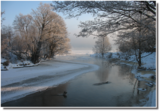 |
Starpiņupīte is an artificial canal
between Lake Kaņieris and the Bay of
Rīga. It helps to regulate the water level in
the lake with a system of locks. This is a
fine place for birdwatching in the spring
and autumn. From the sea, the location
can be identified via the place where the
little river flows into the sea.
|
|
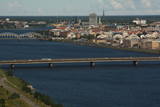 |
This 368 metre structure is the highest television tower in the European Union. Its viewing area, which is at a height of 97 metres, is the highest publicly available viewing area in Latvia. The location offers a fantastic view of Rīga and Old Rīga to Pārdaugava, the Bay of Rīga and Sigulda – a radius of at least 50 kilometres.
|
|
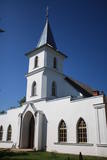 |
The Ilūkste Roman Catholic Church is to the North of Unity Square. The first stone church in Ilūkste was financed by the Plater-Sieberg dynasty of noblemen between 1754 and 1769. The current church was built in 1816. In 1861, it was taken over by the Orthodox Church, but it was returned to a Catholic congregation in 1920. The church was restored in 1921. The interior can be viewed during worship services. |
|
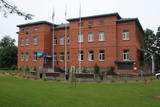 |
Muižas pils (no sarkaniem ķieģeļiem celta) ir meklējama ceļu krustojumā pie Gaujām – 2 km ziemeļaustrumos no Jaunpiebalgas centra, Gaujas labajā krastā. Līdz 1918. g. muižas īpašnieki bija slaveno grāfu Šeremetjevu dzimta. Muižas pili nodedzināja 1905. g. nemieros, bet vēlāk atjaunoja. Muižas pilī bijušas dažādas iestādes: slimnīca, kolhoza „Piebalga” administrācija, mūsdienās – pašvaldība un dažādu sadzīves pakalpojumu sniedzēji. |
|


