
| No | Name | Description |
|---|---|---|
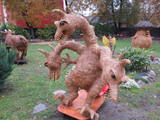 |
This is the only Straw Museum in Latvia, with ~370 sculptures and dolls made of straw and hay. Children in particular will love the chance to learn skills related to straw and hay at the creative straw workshop, where specific methodologies have been developed. Children will be able to take the things that they create along with them. The owners prepare holiday designs and elements, as well as attractive souvenirs. |
|
 |
Uzpludinātās Zveņģupītes kreisajā krastā – neliela meža pudura malā (170 m no Rīgas – Daugavpils šosejas (A 6)) atrodas 1991. g. atklātais (autors: Juris Zihmanis) akmens – piemiņas vieta 17. gs. Lielvārdes meitenei Katrīnai, kura kā ragana sadedzināta sārtā. |
|
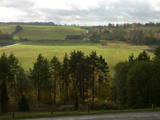 |
As you travel from Kandava to Sabile, you will find a parking lot on the right side of the road. From there, there are steps to a viewing area on the highest hill in the Abava Ancient River Valley – Greiļi Hill. This offers a wonderful view of the ancient river valley and the local mosaic of meadows and forests. The landscape is enriched by the Imula and Amula valleys that are on the other side of the ancient river valley.
|
|
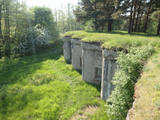 |
Redāns ir 19. gadsimta beigās celtā Liepājas Jūras cietokšņa daļa, kur notikušas Latvijai nozīmīgas cīņas. Lai gan uzbūvētie nocietinājumi ap Karostu tika atzīti par stratēģisku kļūdu un vairums no tiem saspridzināti, Redāns palicis teju neskarts. Tā ir arī vienīgā nocietinājuma daļa, kur notikusi reāla karadarbība.Par liecina ložu šautie caurumi sienās. 1919. gada 14. novembrī šeit notika brīvības cīņas par neatkarīgu Latviju, aizstāvot Liepāju pret Bermonta karaspēku. 14. novembra rītā, pārejot aizsalušo Tosmares ezeru, bermontiešu kājnieki ieņēma Redānu. Taču dažu stundu laikā liepājnieki veica niknu pretuzbrukumu, un vāciešiem nācās atkāpties. Jūnijā, jūlijā un augustā katru dienu plkst. 11.00–17.00 pie Redāna gaidīs zinošs gids, kas būs gatavs pastāstīt vairāk par Liepājas cietoksni un vēsturiskajiem notikumiem Karostā. Cena – 2 EUR no personas. |
|
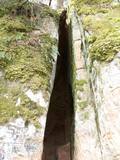 |
The Vējupīte ravine is meant for those who are not afraid of long and steep wooden stairs of the type that lead you up and down the ravine. From the Līvkalns guesthouse, you can climb the stairs downward, where you will find a shallow (3.6 m) but high (6.1 m) cave – the Pēters Cave. It is something of a gap or a niche. Another 10 minutes or so downstream (toward the Gauja) will lead you to the deep Pūces ravine and its Kraukļupīte River. The Satezele castle hill is at the confluence of the two rivers (90 x 75 m). A wooden castle was there during the feudal era in the early 13th century. Its main entrance was on the western side of the castle hill. You can get to the hill from the depths of the ravine via a wooden staircase. The Kraukļi ravine, in turn, is accessible if you climb down the same stairs and continue on your way toward the Gauja. The ravine is found on the left bank of the Vējupīte, and its sandstone walls are up to 11 m high. The Kraukļi cave, which is 5.2 m deep, is on the wall. Another 10-15 minutes (crossing the Vējupīte on a wooden bridge), and you will find another staircase leading you to Paradīze Hill (see the description above). |
|
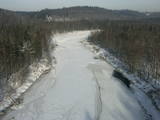 |
The impressive Gauja River valley and its best natural and cultural landscapes can be seen from Paradīze (Gleznotāji) Hill, the Sigulda castle ruins, the aerial tram, the Ferris wheel, the Ziediņi and Pilsēta ski trails, the area of the bobsled and sledding trail, Ķeizarskats, the viewing area of the Velnala cliffs, the mountain bike route of Sigulda (on the right bank of the Gauja, particularly when the trees are bare), the area of the Krimulda castle ruins, Dainu Hill, and the Turaida castle tower.
|
|
 |
A former pharmacy recalls the fact that Ķemeri at
one time was a spa of allSoviet importance. Symbols
devoted to the subject of pharmacies are still on the wall.
|
|
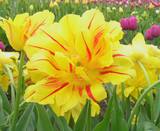 |
This farm grows tulips and has nearly 400 different types of bulbs. A tulip festival is held each spring, and bulbs can be purchased in the autumn. Also on view are a pony, goats and rabbits. The farm also offers cakes, pastries and other treats. |
|
 |
This is basically a grain farm, but in 2006 it also began to work as a dairy farm. In 2008, the farm began to produce cheese and cottage cheese. The farm has more than 200 dairy cows, using the milk to produce milk, yogurt, cheese and ice cream. |
|
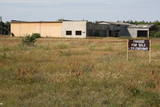 |
The job for the No. 15 Radio Technology Brigade at Saraiķi was to defend Soviet Latvia’s shoreline back in Soviet times. Today the facility is owned by the Defence Ministry, and the No. 17 Home Guard Battalion uses it for training purposes.
|
|
 |
A shop and café, located in the fish market in Ragaciems, offers dried meats, meat and snack platters, and other culinary delicacies made from home-made products. It is a meeting place, as has long been the case in markets, where buyers meet producers and farmers. An outdoor terrace is open during the summer season. |
|
 7 days
|
Это богатый на мероприятия тур, ориентированный на семейный отдых. Запланированные мероприятия влкючают в себя катание на велосипедах, байдарках и пешие прогулки. После знакомства со Старым Городом и парками в Риге, вы сделаете остановку в Этнографическом музее под открытым небом, который дает практическое представление о жизни в старинной Латвии и ее архитектуре. В Сигулде пешая прогулка начинается у руин романтического средневекового замка и проходит вдоль долины реки Гауя к Турайдскому музею — резервату с его средневековым замком, обзорной башней, традиционными поместными зданиями и действующей кузницей, где вам понравится выковать монеты. Увлекательный сплав на байдарках от Цесиса проходит через несколько живописных прибрежных обрывов и небольших порогов, завершаясь у старомодного парома в Лигатне, который до сих пор действует ежедневно, работая от энергии течения реки. Будучи в Лигатне, прогуляйтесь по природным тропам, где сможете увидеть местных диких животных в больших вольерах, таких, как: дикие кабаны, медведи, рысь, волки и другие. Совершить «Путешествие во времени» вы сможете, отправившись на экскурсию в бывший секретный советский военный бункер, созданный на случай ядерной войны, в то время как экскурсия по средневековому Цесису и его замку Ливонского Ордена при свете фонарей предоставит вам иные исторические ощущения. Во время экскурсий дети смогут увидеть красивую природу, узнать много нового о местной флоре и фауне, заинтересоваться историей, получить полезные навыки и помимо всего прочего, им будет очень весело. |
|
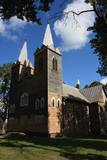 |
В1699 в центре Нюкши Пасиенские доминиканские монахи построили часовню, на месте которой в 1765 году помещик Хилзен возвел новую церковь. Помещения были маленькие, и в 1922 - 1926 гг. на фундаменте старой церкви строится новая и большая – теперешняя церковь, которую называют одним из самых красивейших деревянных храмов Латгалии. В здании находится центральный алтарь работы второй четверти XVIII века и два боковых алтаря работы примерно 1700 г. Церковь можно осмотреть изнутри. |
|
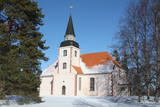 |
The church has a non-traditional design and layout: the altar is in the middle but the pulpit- above the altar. The church has also an original bell tower with a bell casted in 1634. The present wooden interior was created by the students of Riga Crafts High School. Next to the church there are ruins of the old church and the rectory where at the end of the 18th century as a tutor worked Garlieb Merkel who in Liepupe observed events used in his famous book "Latvians". |
|
 |
Atrodas 2,5 km dienvidos no „Kalna Kaibēniem”, Ogres kreisajā krastā. Ap 300 gadus vecā rija, ko atjaunoja 2008. gadā ir uzskatāms par Baltijas (Eiropas) mērogā vienreizēju koka arhitektūras pieminekli. Šobrīd tā ir Latvijā lielākā senlaiku dzīvojamā rija. Iespējams, ka kādam var būt arī grūtības ar šī objekta atrašanu dabā. Apmeklējums iepriekš jāpiesaka: + 371 29266840. |
|
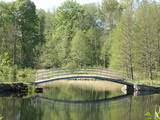 |
The Zasa park is an estate park that is on the shores of the little Zasa River near the Zasa millpond (toward the North of Zasa). The landscape park dates back to the 18th century and is in the style of Romanticism. The park was installed when the mansion of the Zasa Estate was built. It was owned by Heinrich von Zass, after whom the Zasulauks neighbourhood of Rīga is named. When ownership of the estate changed in the 19th century, the Zasa Estate was seen as one of the wealthiest and most beautiful estates in the region. It is worth hiking through the vast park with its many bridges, the Werewolf tree, the Devil’s rock and a sacred stream. There are guides who will accompany you on a tour of the park. +371-2633-7227. |
|
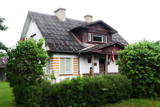 |
Ezeres kultūrvēstures un novadpētniecības materiālu krātuve “Muitas nams” ir izveidota vēsturiski nozīmīgā ēkā, kur, II pasaules kara noslēgumam tuvojoties, 1945. gada 8. maijā tika parakstīts Kurzemes katlā ielenkto vācu karaspēka daļu kapitulācijas akts. Ar to tiek uzskatīts, ka Ezerē faktiski beidzies II pasaules karš. Krātuves materiālu ekspozīcijas ir no Ezeres pagasta senvēstures līdz šodienai, tai skaitā ezernieku vaļasprieki. |
|
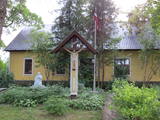 |
Antons Rancans produces wooden busts of well known people from politics, the arts and other fields of endeavour, and these can be purchased. Visitors can also commission decorative objects that are produced from wood. The artist also produces crucifixes. Gundega Rancāne is a landscape painter who is renowned for her masterful use of light and shadow. Her works are available for purchase.
|
|
 |
Gebaut am Ende des 18. Jh. im Stil des Frühklassizismus als der Besitz der Grafen von Mellin. Saaldekorationen vom künstlerischen Wert von K. V. Kalopka (1792) und Öfen (Ende des 19. Jh.). Ein Park. |
|
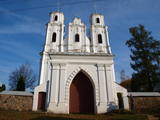 |
Located on the right bank of the Daugava, the church can be seen from various parts of Piedruja. The first wooden church was built at the instruction of Prince Jan Stapekha in 1632, and it burned down in 1759. The Baroque stone church that is there now was built in 1759 with its two towers, and it may have been designed by an Italian architect. The towers stand 27 m high, and under the church is a cellar. The towers have three bells – the largest one dates back to 1711, the middle-sized one was manufactured in 1896, and the smallest dates back to 1619. The largest bell weighs nearly 0.4 tonnes. Inside the church are many important cultural and historical monuments, including a central wooden altar with a painting of the assumption of Mary, three 18th century altars, a pulpit from the early 19th century, St Anton’s altar, a fresco of the Holy Trinity, church dishes from the 17th century, etc. The building is surrounded by a large garden with a stone fence and stone repositories at the corners of the garden. Two priests, Kazimirs Konvalevskis and Broņeslavs Stefanovičs are buried here. Stefanovičs played a major role in the restoration of the church after World War I. The Piedruja congregation first emerged during the first half of the 17th century. |
|


