
| No | Name | Description |
|---|---|---|
 |
Rečina Old-Believers Prayer House was built in 1912. It has a rectangular shape with a single-hall,
rubble-wall foundation and a small tower on the top of the altar.
|
|
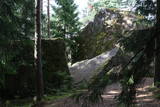 |
Die Größe dieses Feldsteins ist eindrucksvoll, obwohl er nach dem Volumen (262 m3) nur der 16. größte Feldstein Estlands ist. Die Länge beträgt 10,7 m, Breite – 6,5 m, Umfang – 27,8 m. |
|
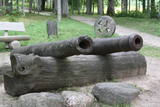 |
Established in 1900 at the place where the Pērse River flows into the Daugava (now the reservoir of the Pļaviņas hydroelectric power plant), the park offers a look at 17th century Swedish cannons and monuments from Medieval graves. Next to the high school in the park is a restored fountain, “Head of a Faun,” which was near the legendary Pērse waterfall during the 1930s. The waterfall is now underwater, but its location is indicated by a stone sculpture, “Girl of Pērse,” which was created by the sculptor Juris Zihmanis. A path leads to an 11 metre high wooden sculpture, “For Eternity,” by the sculptor Ģirts Burvis, and another sculpture, “Little Owl,” which is the work of the Rurāns brothers, both of whom are sculptors of wooden sculptures.
|
|
 |
In Põlvamaa, on the side of the historic post road, a farmer’s kitchen and leisure home Kopli is located, surrounded by joy and delicious flavours. Farmer's kitchen Kopli offers a comfortable way to spend time and private restaurant services. The café operates during summer. Enjoy gelato type ice-cream here all year round. |
|
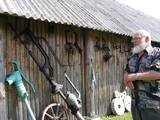 |
At a lovely place in the Gauja National Park in the Vaidava Parish, guests can examine ancient tools, mechanisms and household objects. Guides will talk about how these various items were used. There is a guesthouse for overnight accommodations, and there is room for tents and picnics.
|
|
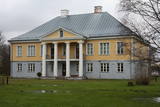 |
Muiža rakstos pirmoreiz minēta 17. gs. sākumā, taču klasicisma stilā celtās pils veidols tapis 1835. gadā. Penijē muižas būtisks likteņa pavērsiens (atšķirībā no daudzām citām muižām) bija apstāklis, ka tajā izveidoja Matsalu rezervāta (pirms nacionālā parka izveides) apmeklētāju centru. 2000. gadā muižas pili restaurēja un tajā ierīkoja nelielu ekspozīciju. Apmeklētāju centrs te pastāv joprojām, tādēļ šeit var iegūt nepieciešamo informāciju. No ārpuses var apskatīt arī citas muižas saimniecības ēkas. |
|
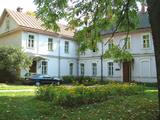 |
Veitko Manor was built in 1832. From 1993, there are hostels of
Latgale Craft School.
|
|
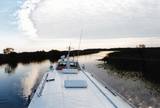 |
This is a quick boat ride from Tartu down the Emajõgi River to Piirissaare Island in Lake Peipsi (Peipsi järv). Along the lower reaches of the river are major wetlands which are of enormous importance for birds.
|
|
 |
The barn was built in the second half of the 19th century. The building has a permanent exhibition, where you can see how land management and bread baking took place in the manor. We bake bread if you order in advance |
|
 |
The castle diner is situated next to Koknese castle ruins. Either before or after boating, Nordic walking, visiting the castle ruins, enjoy tasty coffee, baked buns, snacks, french fries, grilled sausages, ice-cream or buy a soft drink to go with your sandwiches and to drink while sitting in the courtyard of the ancient castle and watching an amazing view of Perse and Daugava crossing. Upon special request we can also cook our very tasty Firesoup. |
|
 |
Viitna Tavern is one of the few 19th C tavern and post station buildings preserved in Estonia to date. Originally landlords and other rich folk had their rooms and a horse stable in the building’s left wing; today it is a canteen and Estonian handicraft shop. The right wing was for peasant folk chambers and a stable; today it houses a restaurant featuring national dishes on its menu. |
|
|
|
Pilsētas aizsargdambi upes labajā krastā (1830. - 1841., autors kara inženieris P. Meļņikovs) cēla ar mērķi aizsargāt pilsētu no applūšanas. Dambis stiepjas 5,6 km garumā. Pēc 1922. g. postošajiem plūdiem uzsākta aizsargdambja celtniecību arī Daugavas pretējā - kreisajā krastā. |
|
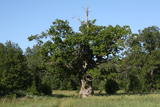 |
The tree is in the middle of an untended field. Despite many dead branches and the messy surroundings, the tree is beautiful and well visible from the road. It is the third thickest tree in the Baltic States.
|
|
|
|
This is a segment of the shore of the Bay of Rīga that is around 40 km long and features the valleys of three major rivers – the Lielupe, Daugava and Gauja river. There are dune formations, biotopes, seashore meadows and forested seashore dunes which are an important recreational resource. |
|
 |
The cafe Staburadze is situated in the centre of the city Kuldiga. |
|
 6 days
|
Many farms in Latvia and Lithuania grow their own produce, offer culinary masterpieces and develop traditional recipes to the best degree. Because of limited output, these delicacies seldom are found in supermarkets, and that is why we have organised this gourmand tour for those who enjoy new tastes. You will start your tour in Vilnius and then travel to Trakai, where the local ethnographic museum will offer local dishes from the Karaite ethnic minority. A look at Lithuanian farm life from the 18th to the 20th century will be available at the Rumšiškes Ethnographic Museum. After travelling through Kaunas, you will visit a honey farm that offers honey and wax candles, as well as tastings of honey beer. The Pakruojo Dvaras estate is a place where you will feel like a nobleman from the 19th century and enjoy a real banquet at the estate's restaurant. Further along, you will visit Cross Hill, which has countless crosses that have been planted there by people who express their Christian fervour in that way. Next you will visit an alpaca farm where you will be able to pet, feed and take photographs with these unusual animals. The day will end at a farm that will serve traditional Lithuanian foods for dinner. When you arrive in Latvia, the first destination will be a farm that produces seven kinds of cheeses. Along the way you will find the Tērvete Ancient History Museum and the Tērvete Nature Park. After the tour, you will enjoy a fine meal at a countryside saloon. A bakery near Svēte offers tasty cookies and pastries. After a stroll through the town of Jelgava, you will visit the Caunītes farm, where you will learn how to bake bread and bake your own loaf to take along. Along the way to Rīga, visit "Garlic World." Latvian garlic has a particularly strong aroma and taste, and the lady of the house prepares many unusual dishes with garlic. |
|
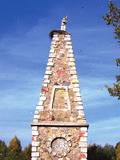 |
Monument „Carrier of the Cross”. Statue of Christ carrying His Cross is placed on a high pedestal of
the pyramid shape. The pedestal was built in 1828 by dean and writer Jāzeps Kirkillo from Rezekne. In 1918,
the monument was renovated. The new statue was placed in 1918. The monument was rebuilt once again
in 1990.
|
|
 7 days
|
This study tour is designed to show Latvia's rye traditions as their central focus. This tour has been developed in cooperation with the Latvian Bakers’ Association. Rye is both the basis of the Latvian diet and a powerful symbol of Latvia's culture and culinary traditions. Itinerary emphasize traditional rye bread-baking and eating, as well as insights into the history of the rye grain from Latvia's earliest archaeological record to the present day. Itinerary include visits to working farms, grain mills and culturally and historically important locations. This study tour is designed for groups and may be adapted to the needs, interests and timeframe of each client. Tour cost includes meetings with experts, site visits and admissions, accommodations, specified meals, sightseeing, transportation within Latvia and guides-interpreters. |
|
 |
The bakery offers more than 50 different types of bread products. The “Arona” rye bread has been awarded the “Zaļā karotīte” certificate of conformity. Products awarded with the “Bordo karotīte” certificate: Rye bread, Sweet and sour bread, Latgale tin loaf, Scored white bread, Hearth rye bread, Cesvaine hearth bread, Madona sweet and sour bread, Biržu sweet and sour bread. Several medals were received at the Riga Food exhibition. |
|
 8 days
|
The tour from Riga to Tallinn combines natural, cultural and culinary heritage and includes lovely landscapes and 15 nature trails which cross marshlands, meadows and forests along the shores of the Baltic Sea. The itinerary brings you directly to where local specialities are produced so that you can enjoy them freshly made and authentic. You will watch lamprey being prepared for you on a grill, and you will savour treats such as home-made ice-creams where they use eggs from happy hens of the farm, smoked meat from local farms, and many others. On this tour, you will become a true expert of the traditional and modern Latvian and Estonian cuisine. As the farms producing foods are often located in beautiful nature areas, you will combine culinary and nature experiences on this tour. There are many nature trails equipped with viewing towers for birdwatching. Randu meadow near Ainaži contains one third of Latvia’s entire plant species. A boardwalk leads through reeds to a viewing platform with views over the meadow and the sea. Saaremaa Island has a great variety of natural attractions that are different from those on mainland Estonia. There are dolomite cliffs, juniper heaths, a meteorite lake and rocky sea shore. The tour passes rural farms and traditional villages typical of the coastal areas. Hiiumaa Island is a laid back place and retains a very Estonian atmosphere with an important bird reserve at Käina Bay, unusual Sääre Tirp, as well as several small islets off its south-eastern coast. Back on the mainland, Paldiski peninsula gives a glimpse of the recent history with its former Soviet military base. |
|


