
| Nr | Name | Beschreibung |
|---|---|---|
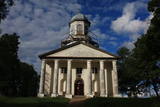 |
Tagadējais dievnams (iepriekšējie celti 1652. un 1776. g.) būvēts laikā no 1839. - 1842. g. Vidzemē pazīstamā lībiešu būvmeistara Mārča Sāruma (1799. –1859.) vadībā. Par prototipu tam izmantoja Pievolgas vācu koloniju baznīcu veidolu. Dievnama altārī atrodas Pītera Paula Rubensa gleznas “Kristus pie krusta” kopija (oriģināls – Minhenē), ko 1887. g. baznīcai uzdāvināja Nēķena muižas īpašniece. Baznīcas remonta laikā (1928. g.) atklāja piemiņas plāksnes 1. pasaules karā un Latvijas Brīvības cīņās kritušajiem. Blakus baznīcas atrodas viduslaiku kapsēta. Celtnes autors un būvdarbu virsuzraugs - H. fon Hagemeistars esot teicis, ka šis dievnams esot „vienīgā baznīca visā Vidzemē un varbūt arī pasaulē, kas uzcelta bez apreibināšanās”. |
|
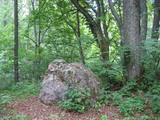 |
Ja Rušona ezeru iepazīstiet ar laivu, tad var apmeklēt Lielo salu (ezera rietumdaļā),kur (augstākajā vietā) ir jāuzmeklē ap 1,2 m augstais akmens. Konstatēts, ka tā apkārtnē un uz virsmas kurināta uguns. Atrastas arī senlietas. Nostāsti vēsta, ka akmens virsmā bijušas iekaltas zīmes (nav saskatāmas) un pie tā upurēti jēri. Tikai nedodieties ezerā, ja ir vai gaidāms stiprs vējš! Rušona ezera salas ir dabas liegums. |
|
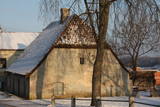 |
Befindet sich am rechten Flußufer hinter Kuldigas Alter Backsteinbrücke in der Pils iela (Schlossstraße) 4. Zum Bau des Wachhauses wurden im Jahre 1735 Feldsteine des zerstörten herzoglichen Schlosses verwendet, das Häuschen selbst ist auf einer Terasse, dem letzten bis heute erhaltenen Fragment der kuldigaer Stadtmauer erbaut. Das Wachhäuschen (auch Scharfrichterhäuschen genannt) war im 19. Jh. umgebaut worden und ist heute von außen zu besichtigen. |
|
 |
Die Wirtschaft Mazburkas befindet sich an einem landschaftlich schönen Ort zwischen der Straße Rīga – Ventspils (A 10) und Tukums. In der Umgebung der Wirtschaft kann man eine hügelige Landschaft genießen. An südlichen Abhängen der Hügel breiten sich Weintraubenfelder aus, wo ~60 Weintraubensorten gezüchtet werden. Besucher können Weintrauben kaufen oder diese im Garten selber pflücken. Aus Weintrauben macht die Wirtin ausgezeichnete Weine, die mit Preisen, darunter auch internationalen, ausgezeichnet sind. Der zweite Bereich der Spezialisierung der Wirtschaft ist Schafzucht. Interessenten können eine Schafherde besichtigen, sowie mit vorheriger Anmeldung auch Schaffleisch kaufen. Für Empfang von Gästen ist eine breite Plattform aus Holz gebaut worden. Die Wirtin Gunta Niedra teilt gerne ihre Erfahrung und gibt Ratschläge auch den Interessenten, die angefangen haben, Schafe zu züchten. |
|
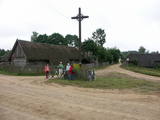 |
Ein der ethnografischen Dörfer in Dzūkija mit Holzgebäuden und Kruzifix. |
|
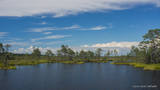 |
Durch das höchste Dünen-Massiv Estlands und den Moor führt der Lehr-Wanderweg. Blick vom Aussichtsturm bis auf die Insel Kihnu. |
|
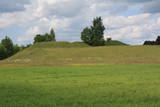 |
Eine von den relativ wenigen Wallburgen an den Daugava-Ufern, die nicht mit Bäumen und Gebüsch bewachsen sind, deswegen zeichnet sich eine klassische Form der Wallburg im Landschaftshintergrund ab. Die Wallburg von Dignāja wurde zu unterschiedlicher Zeit besiedelt, aber das Aufblühen im Zeitraum vom 5. bis zum 9. Jahrhundert erreichte, als sich hier ein bedeutendes Zentrum befand. Die Funde zeugen, dass die Wallburg von Dignāja von den lettgallischen Stämmen besiedelt wurde. Nach dem Einfall der Kreuzritter wurde auf der Wallburg eine Ordensburg gebaut, die bis heutzutage nicht erhalten ist. Es sind die Legenden, die über einen ehemaligen unterirdischen Gang unter der Burg erzählen. Von der Wallburg ist einen schönen Blick aufs Daugava-Stromtal. Auf der Wallburg sind die Schutzgräber aus der Zeit des Ersten Weltkriegs erhalten. Am Fuß der Wallburg befand sich einst eine Siedlung. |
|
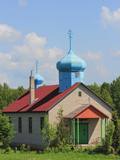 |
Vainova Old-Believers Prayer House was built in 1980 replacing the previous
church that was burnt by lightening. Initially, the Prayer House was one of the
biggest churches in Latgale (for 2 000 people). The congregation of the church
exists since the 18th century.
|
|
 3 Tagen
|
The Suiti are a community with among the most colourful and unique cultural traditions in Kurzeme and Latvia. This was confirmed on October 1, 2009, when the cultural territory of the Suiti was included in the UNESCO list of global intangible cultural heritage, thus indicating that the traditions must be preserved. The Suiti territory is also on the list of folk traditions that is part of the Latvian Cultural Canon. Manifestations of this intangible cultural heritage include traditional festivals, habits, oral traditions, traditional singing and musical skills, folk costumes and culinary traditions. Since 2009, the Suiti community has been undergoing a renaissance, with people actively working to restore traditions and ensure their sustainability and promotion at the local, national and international level. The survival of the cultural territory is in the hands of the Suiti themselves, and this is closely linked to the practices and the creativity of community representatives. The Suiti believe the development of tourism in their area to be of great importance in this. This means emphasising a niche in cultural tourism that is based on the broader promotion of the unique cultural heritage of the Suiti. |
|
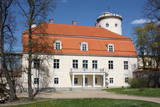 |
Im diesem Schloss (Adresse: Pils laukums 9; deutsch Wenden), das im Jahr 1777 als das Wohnhaus von Karl Eberhard von Sievers gebaut wurde, befindet sich das im Jahr 1949 eröffnete Museum für Geschichte und Kunst. Das Gebäude mit dem neogotischen Lademacherturm, der mit spitzbogigen Arkaden und Öffnungen geschmückt ist, wird als eines der ersten Beispiele für Eklektizismus in der Architektur der Landgüter von Lettland angesehen. Seit März 2012 kann man in dem Museum die zeitgemäße Ausstellung Cēsis – Symbol der lettischen Geschichte besichtigen, die die Besucher mit der Geschichte der Stadt Cēsis und ihrer Umgebung von der Zeit der Wenden bis zum Anfang des 20. Jhs. interaktiv bekanntmacht. Die Ausstellung macht auch mit der Geschichte der lettischen Fahne und mit dem Lebenslauf der Grafen von Sievers und ihrem Beitrag zur Entwicklung von Cēsis bekannt. Das zweite und das dritte Geschoß des Schlosses sind für wechselnde Ausstellungen vorgesehen und da befindet sich auch ein Zimmer, das für Familien mit Kindern eingerichtet ist. Aus dem Lademacherturm des Neuen Schlosses bietet sich die schönste Aussicht auf die Burgruinen und die Altstadt von Cēsis und auf die evangelisch-lutherische Kirche des Heiligen Johannes. |
|
 |
Der bäuerliche Betrieb bietet verschiedene Landprodukte an – Käse, Butter, saure Sahne, Sahne, Quark, frische Eier. |
|
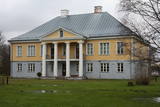 |
Muiža rakstos pirmoreiz minēta 17. gs. sākumā, taču klasicisma stilā celtās pils veidols tapis 1835. gadā. Penijē muižas būtisks likteņa pavērsiens (atšķirībā no daudzām citām muižām) bija apstāklis, ka tajā izveidoja Matsalu rezervāta (pirms nacionālā parka izveides) apmeklētāju centru. 2000. gadā muižas pili restaurēja un tajā ierīkoja nelielu ekspozīciju. Apmeklētāju centrs te pastāv joprojām, tādēļ šeit var iegūt nepieciešamo informāciju. No ārpuses var apskatīt arī citas muižas saimniecības ēkas. |
|
 |
Im Fuchstal-Hof werden verschiedene Tiere gezüchtet: die historische Pferderasse Lusitano aus Portugal, Shetland-Ponys, andere warmblütige Pferderassen aus Europa, Anglo-Nubier-Ziegen, traditionelle litauische Rauhaarschafe und eine ganze Reihe verschiedenen Hausgeflügels. |
|
 |
Die etwa 50 Rinder weiden ganzjährig im Freien, weswegen man sie auch jederzeit besichtigen kann. Sofern vorhanden, können die Besucher das Fleisch der Highland-Rinder verkosten. Zudem besteht die Möglichkeit, die traditionellen kleinrassigen litauischen Pferde Zemaitukai zu besichtigen und zu reiten. Das Programm der Führung wird eher für Erwachsene empfohlen. |
|
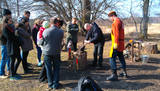 |
Visiting a blacksmith has always been something special. Does this job still exist, and is it still importance? Some may wonder who is a blacksmith is in the first place. The DUDU Nests open-air smithy will answer all of your questions. The blacksmith will teach you all about his profession, talking about the tools and materials that are necessary, the relevant traditions and the everyday work of blacksmiths today. You can forge your own nail to test the difficulty of the work. The blacksmith will happily attend your event with his open-air forge. This is perfect for students, smaller children, wedding guests or individual visitors.
|
|
 |
Līga Reitere is a ventiņi story teller and a specialist in herbs, and in an old school classroom, she teaches penmanship and the ventiņi dialect. An informational tour is available, and visitors can purchase products and souvenirs from Kurzeme. |
|
 |
This craftsman uses the black ceramics technique. You can watch him opening the kiln, take part in creative workshops, and commission or purchase ceramics products. |
|
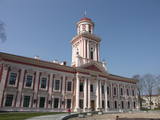 |
The late Baroque and early Classicism building was commissioned by Duke Peter Byron of Courland and Zemgale, and it was built between 1773 and 1776 on the basis of a design by a Danish architect. It was the castle of Duchess Anna. The first university in Latvia, Academia Petrina was established here in 1775 and named after Duke Peter. The first observatory was installed at the academy in 1772, and a high school was in the building during the age of the Russian Empire. Among graduates are distinguished Latvians such as Krišjānis Barons, Jānis Alunāns and Jānis Čakste, as well as the Lithuanian Antanas Smetona. The Jelgava Museum of History and Art took over the building in 1952, and in 1975 it was named after the Old Master Ģederts Eliass (1887-1975). The exhibition speaks to the history of the city and surrounding area during and after the period of the Duchy of Courland and Zemgale. Outside the impressive building are four cannons from the period of the duchy, as well as monument to Eliass that was designed in 1987 by the sculptor Jānis Zariņš. Another monument, “Lāčplēsis and the Black Knight,” was designed by the sculptor Kārlis Jansons and commemorates the liberators of Jelgava. |
|
 |
Vom 19. Jh. ist der Domberg ein offentlicher Park mit Pfaden, Gehwegen, Brücken (Engelsbrücke, Teufelsbrücke) und den Denkmälern für die Wissenschaftler der Tartu Universität. Hier befinden sich die Domkirche, das Anatomicum, das Observatorium u.a. interessante Objekte. |
|
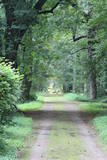 |
This is the oldest arboretum in Latvia. It was planned by the owner of the Skrīveri Estate, Maximmilian von Sievers (1857-1919). It has to be said that before World War I, there were two times more species of plants in the park than is the case now. The plants are grouped in accordance with the geo-botanic regions of the world. There are trails in the park, and signs showing the Latvian and Latin name of each plant are there, as well. There’s a fountain which is operated from every hour on the hour from 11:00 AM until 11:00 PM from Tuesday until Sunday. On the other side of the Rīga-Daugavpils highway is the Skrīveri Forest Park with hiking trails.
|
|


