
| No | Name | Description |
|---|---|---|
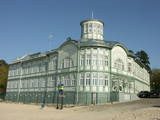 |
Jurmala town (the second largest in Latvia) was founded in 1959, by combining Kemeri and Sloka towns in the Riga city Jurmala district. It stretches 32 km along the coastal line of Gulf of Riga. Jurmala resort once was one of the most important objects of this type in the Northern Europe. This was facilitated by the development of local and interstate transport and traffic (coaches, steamers, train). The first guests was accommodated in Dubulti, where in 1834 the first hotel was built, but in 1847 - The first wellness centre. In the 19th the first medical institution launched. Starting from 1834 the rapid construction of summer cottages began. Development of the resort was ended by the World War I. After the war the number of resort vacationers boomed from 12 thousand (in 1920) to 32 thousand (in 1935). Kemeri resort developed along with Jurmala, which received a massive of vacationers' amount during the Soviet period. |
|
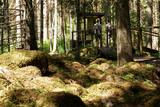 |
The forest around Kaltene features a natural miracle – the rocks of Kaltene, which are also known as the barrier rocks. The rocks are 2-3 m from the sea and date back to the Ice Age. The Devil’s rock is the largest one. It used to be a beautiful pile of rocks that “stretched to the tops of the trees.” In older maps it is described as being 20 m high. It had many natural rocks, including some that were completely round, while others resembled plates. The rock was almost completely destroyed in the 1960s and 1970s, when it was chopped up to build roads. A fairly small part of the rock survives today, and it is 300 m long and 2 m high. Scientists believe that these rocks used to be sacred locations, because there are many legends and stories about them. There is a forest path with wooden pathways, information stands and a small car park there. (Source: Roja TIC) |
|
 |
Vom 18. Jh wurde die Stadt ein russischer Marinestützpunkt. Von 1962 bis 1994 war Paldiski ein Übungszentrum für atomare U-Boote der Sowjetischen Marine mit zwei auf dem Festland befindlichen Kernreaktoren (ung. 16.000 Beschäftigte) und eine "geschlossene Stadt". |
|
 3 days
|
The name of the Žemaitija region means "lowland." You will visit traditional and unusual farms to learn about gardening traditions and enjoy teas and herbs from a biodynamic farm. The lady of the house will teach you about traditional local foods. Next you will visit a place to discover the secrets of medicinal plants. An impressive exhibition about military history will be found at the Cold War Museum, which is on the territory of a former missile base. Then you will visit the Energy Labyrinth to enjoy peace and quiet while learning about how various geometric forms influence human emotions. Next you will visit a traditional farm with characteristic foods, beverages and songs. Along the way you will visit Telšiai, which is the informal capital of Žemaitija. Finally, you will visit a farm where traditional pastries are baked on a campfire, and a true Latvian sauna is offered. |
|
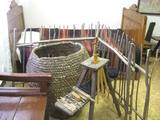 |
Local History Museum of Nautrēni. Permanent exposition of the
local history of the district, school and parish.
Working hours: on request |
|
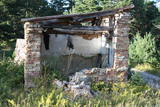 |
A coast guard facility was located near the village of Užava during Soviet times. There is a lack of information about the use of the facility at this time.
|
|
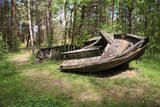 |
In the 1960s, the Soviet Union banned individual fishing in the sea, and the motor boats which had no other purpose were simply beached in the dunes. It is said that members of the Border Guard often set the boats on fire. Another story is that the Border Guard banned an ancient tradition of burning old boats on Summer solstice Eve. Along the road to the cemetery is the old net barn, which is a residential building today. |
|
 |
Trušu audzēšanas saimniecība "Trušu muiža" savā allaž tapšanas procesā esošajā garaušu muižas kompleksā piedāvā aplūkot 15 – 20 dažādu šķirņu trušus no visas pasaules, kā arī iegūt bildi ar trusi. Lieliska iespēja ciemoties trušu "Harmonijas un miera sētā", tos samīļot, pabarot. "Trušu muiža" iegūst aizvien jaunus kaimiņus un pilnveidojas. Iespēja iegādāties "Trušu muižas" greznumlietas. Vaislas truši un mīļdzīvnieki. Vasaras sezonā (jūnijs - augusts) gaidīs ciemos no otrdienas līdz svētdienai (11:00 – 18:00). Lielākas grupas, iepriekš vienojoties, uzņem arī citā laikā. |
|
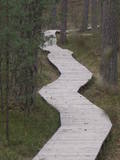 |
One of the most attractive and informative nature trails in the environs of Rīga. It leads the visitor around the 17-metre Ragakāpa dune, which is most interesting. People can learn about the habitats of the dune areas and the plants and animals of the area. Some of the pine trees are as much as 100 years old and more. The trail is 2km long in each direction and will take some two hours to traverse. This is part of the Ragakāpa nature park.
|
|
 |
This is a brewery in a lovely part of Lithuania known as Little Switzerland, surrounded by forests, lakes and castle hills. "Čizo" beer is light, unfiltered and alive, and it is produced on the basis of ancient traditions with forest bee honey. The brewer has not just a recipe, but also equipment so that he can offer a look at ancient methods of beer brewing. |
|
 |
Ja no Pervalkas (Pervalka) pa Kuršu jomas krastu ar kājām (neliela taka) dosimies Klaipēdas (ziemeļu) virzienā, pēc 10 – 15 min gājiena nonāksim līdz Arkļu ragam (Arklių ragas, citās kartēs – Žirgų ragas), kam iepretim ~ 0,2 km attālumā no krasta uz mākslīgi veidotas akmeņainas salas slejas 14 m augstā bāka. Tā celta ~ 1900. g. vietā, kur savienojas trīs kuģu ceļi no Klaipēdas, Nidas un Ventes raga (Ventės ragas). No šejienes paveras fantastisks skats un Nagļu dabas rezervāta iespaidīgajām kāpām. |
|
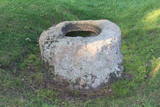 |
The Pinnu (Dievekļa) Sacrificial Stone is at Ulmale, some 300 m from the Liepāja-Ventspils highway (there are signs). This is a very beautiful and distinct bowl-type rock, and the indentation at the top is 15 cm deep and up to 61 cm in diameter. It is thought that this was an ancient cult location, particularly between the 16th and 18th centuries. |
|
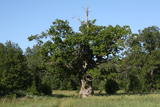 |
The tree is in the middle of an untended field. Despite many dead branches and the messy surroundings, the tree is beautiful and well visible from the road. It is the third thickest tree in the Baltic States.
|
|
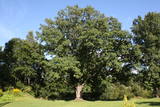 |
This tree is the one in Latvia and perhaps the Baltic States that has the densest foliage. Its crown measures 33 x 31 metres.
|
|
 |
The sculptor has established the landscape of his farm, producing artworks of wood and stone. One of his artworks, a spoon that is 6.2 m high, is in the village of Irlava. You can go on a tour and order and purchase various wood products. |
|
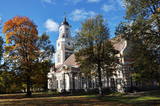 |
The church was built during the rule of Baron Otto Hermann von Fittinghof and built between 1781 and 1788 by the architect Christoph Haberland. Built in the style of Classicism, the church has elements of the Baroque style and a set of colourful rocks in a mosaic on the façade. The organ was built in 1855 by August Martin, and the bell was evacuated to Russia during World War I. The congregation replaced it with a much older bell (1530). The altar painting, “Baptism of Christ” was pained by an unknown artist and was restored in 2000. During the mid-19th century, there were many Estonians in the congregation, so worship services were held in Estonian, too. The church was restored in 1934, and now it dominates the city with its 55.5 m high tower. |
|
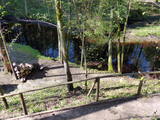 |
Pie Gārsenes pils atrodas bijušais muižas parks 4ha platībā un pie tā sākas arī Gārsenes dabas takas. Dabas takas vēsturiski tika veidotas vienlaicīgi ar pils kompleksa būvniecību un ieeja takās atrodama pie mākslīgi veidotā, ar bruģa pamatni izliktā barona peldēšanās dīķa. Takas sākumā saglabājusies ošu aleja, ko savulaik stādījis barona dārznieks, savukārt taku vidusposmā apmeklētājiem ir iespēja pasēdēt uz Barona krēsla - akmens ar cilvēku veidotu sēdvietu tajā. Kopumā Gārsenes mežā vijas dažāda garuma labiekārtotas pastaigu un izziņas takas - Kultūrvēsturiskā taka, Zaļā taka, Baronu pastaigu taka, Staburaga taka, ar ierīkotām atpūtas un ugunskuru vietām. Takās apskatāmi vairāk kā 40 unikāli dabas objekti, gan dižakmeņi, gan dižkoki, kā arī un pagasta ievērojamākie arhitektūras un kultūrvēstures pieminekļi. No 2016.gada maija Dabas takās ietilpst arī „Krēslas stundas taka”, kas īpaši patiks zinātkāriem mazajiem ceļotājiem. Taka stāsta par Rūķu dzīvi mežā un tās veidošanas pamatā ir stāsti no „Lielās Rūķu enciklopēdijas”. |
|
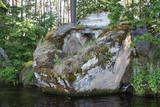 |
These are the ruins of World War II fortifications near what is now the Ķegums hydroelectric power plant. One blockhouse was found on the left bank of the Daugava River, approximately one kilometre to the South-Southeast from the plant’s dam. A second is also on the left bank of the river, opposite the Rēzijas campground. It has slid down the abraded shore of the reservoir and is partly underwater. It is mostly accessible by boat.
|
|
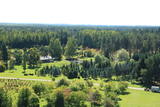 |
This arboretum is in a lovely location in the Vidzeme highlands. It covers 140 hectares of land and offers a look at interesting coniferous trees, lianas, lilacs, rhododendrons and peonies. The facility has a modern visitor information centres.
Unique species: The Tulip Tree (Liriodendron tulipifera), the Fringe Tree (Chionanthus virginicus), and the Kobushi Magnolia (Magnolia kobus).
|
|
 |
The barn was built in the second half of the 19th century. The building has a permanent exhibition, where you can see how land management and bread baking took place in the manor. We bake bread if you order in advance |
|


