
| Nr | Name | Beschreibung |
|---|---|---|
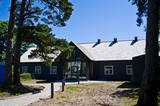 |
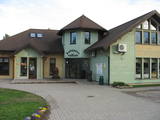
Livonian Community House at Kolka was opened in 2019. It is a place where you can get to know the Livonian culture of Northern Kurzeme, learn about traditional activities, listen to the sound of the language, and get an idea of the cultural and historical heritage of the coast. In House you can organize and attend cultural events, seminars, trainings, exhibitions, and also receive tourism information. |
|
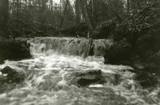 |
Hier gibt es einige “canyon-ähnliche” Schluchten zwischen den Dolomitablagerungen. Man findet interessante Aufschlüsse und kleine Wasserfälle im kleinen Flussbett.
|
|
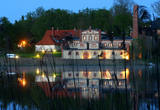 |
The renovated historic distillery at Mooste Manor (1909) is home to the Estonian Photo Tourism Centre. The guesthouse on the second floor of Mooste Distillery offers cosy rooms with all modern conveniences. |
|
 |
The owner has a collection of some 2,000 spoons which he has carved from 70 types of wood from trees and bushes during more than 30 years. The smallest spoon is made of osier, while the largest one, “A European Spoon,” is larger than the height of a human being. The artist also produces paintings made of wood. You can watch him at work, purchase the spoons, and tour his museum. |
|
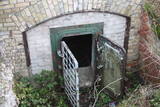 |
Der Befestigungswerk von Komēta wurde am linken Ufer des Flusses Daugava, an der Einmündung des Flusses ins Meer – in der Umgebung von heutigen Leuchtturm in Daugavgrīva etwa um die Zeit der Bauarbeiten an der Befestigungswerke in Mangaļsala (um das Jahr 1808, aus anderen Quellen – um das Jahr 1788). In diesem Befestigungswerk befindeten sich vier Positionen der Geschütze des Kalibers 152 des Typs „Kane”. Sowohl der Befestigungswerk Komētforts, als auch die Küstenschützbatterien in Mangaļsala haben im Jahr 1855 in der Flussmündung von Daugava den Angriff der englischen Flotte abgewehrt. Komētforts ist ein Kulturdenkmal örtlicher Bedeutung. Wenn wir entlang der Meeresküste von Naturschutzgebiet in Daugavgrīva in der Richtung Leuchtturm von Daugavgrīva gehen und auf die Vorderdünne hinaufsteigen (nur bis zum Warnungszeichen „Gesperrtes Territorium. Grenzzone”!) sind sowohl die obengenannten Positionen der Geschütze, als auch die ehemaligen Lagerkeller der Munition sichtbar. Die Positionen der Geschütze nehmen seinen Anfang 0,5 km vor dem Leuchtturm von Daugavgrīva an und sie erstrecken sich bis zum Komplex des Leuchtturms. Auch in der Zeit der Sowjetunion war das Territorium für Zivilpersonen geschlossen, weil in dieser Umgebung und in Bolderāja viele heimliche Militärobjekte der sowjetischen Armee aufgestellt waren.
|
|
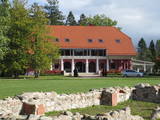 |
Etwa eine Autostunde von Riga entfernt, auf dem Gelände des alten Landguts Anna befindet sich das international renommierte Designhotel Annas Hotel. Inspiriert von alten Traditionen der lettischen Küche kreiert der Küchenchef jeden Tag ein neues Menü und lässt die Gäste immer eine besondere und ungewöhnliche Mahlzeit genießen. Lettische Küche: Brühe mit Pfifferlingen, Speisen aus Kaninchenfleisch. Das besondere Gericht: Suppe aus Heidelbeercreme mit Eis aus Quark. |
|
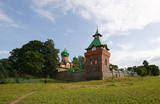 |
Kloster von Kuremäe wurde im Jahr 1891 errichtet und es ist das einzige tätige russisch-orthodoxe Nonnenkloster in Estland. In den vergangenen Tagen befand sich hier der Hainort der altertümlichen Esten. Am Berg ist eine Opferquelle, die heute wegen seines heilenden Wassers als heilige Quelle genannt wird. Kloster ist für die Touristen geöffnet und alltägliches Leben der Klosterbewohner kann man besichtigen. Wer den ganzen Klosterkomplex besichtigen möchte, kann von Nonnen eine Führung bestellen. |
|
 |
Das Restaurant „Kest" ist wie eine gastronomische Reise. Aus dem Wunsch nach gastronomischen Entdeckungen bereitet Küchenchef Māris Jansons seit mehr als zwei Jahrzehnten verschiedene Mahlzeiten zu. |
|
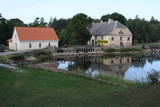 |
Das heutige Aussehen im Historizismusstil hat das Landschloss 1880 erhalten. Im Landgutskomplex ist ein Hotel, ein SPA Komplex, ein Restaurant u.a. eingerichtet. Umgeben von einem Park. |
|
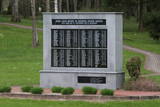 |
In der Zeit des Zweiten Weltkrieges – Ende des Septembers im Jahr 1944 spielte sich in More eine von der blutigsten und grausamsten Kämpfe im Territorium Lettlands ab. Noch grausamer waren nur die Kämpfe im sogenannten „Kessel von Kurland” (Kurzemes katls). In der Kämpfen von More haben die auf der Seite Deutschlands kämpfenden lettischen Legionäre den Durchbruch der Roten Armee nach Riga verhindert, als auch die Einkreisung des deutschen Truppenteils 18 abgewehrt. Das Resultat der Kämpfe war wichtig für die örtliche Bevölkerung, (> 100 000), die Menschen könnten noch fliehen und solcherweise der späteren Repressionen entfliehen. Jedes Jahr wird hier im September Gedenkfeier gefeiert. Hier sammeln sich sowohl Augenzeuge dieser Vorgänge, als auch andere Interessenten. Hier wurde eine Memorialwand mit Namen der Legionäre, als auch einen in Stein gemeißelten Kreuz – das Gedenkzeichen für alle nicht identifizierten Gefallenen aufgestellt. 2 km östlich von dem Park ist ein Museum eingerichtet. Neben diesem Museum kann man einen sowjetischen Panzer besichtigen.
|
|
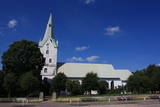 |
Atrodas pilsētas centrā - Tirgus laukuma malā. Dievnams tapis 1495. g., pēc Livonijas ordeņa mestra Valtera fon Pletenberga (~ 1450. – 1535.) pavēles. Gadsimtiem ritot, ēka pārbūvēta un tagad redzamais tornis celts 1907. g. Baznīcā apskatāmi nozīmīgi kultūrvēstures pieminekļi: altārglezna “Golgāta” - H. Kīperta darināta kopija (pēc K. Arnoldi Kandavas luterāņu baznīcas oriģināla (1864. g.)), muižniekam Fīlipam Drahenfelsam veltīta epitāfija (B. Bodekers, 16. un 17. gs. mija), A. D. Tīzenhauzenas kapu plāksne (1648. g.), kristāmtrauka pamatne (18. gs.) un piemiņas plāksne 1. pasaules karā un Latvijas Brīvības cīņās kritušajiem draudzes locekļiem (1925. g.). Ap Tirgus laukumu (atjaunots, jauka strūklaka) izvietojies Dobeles vēsturiskais centrs. |
|
 |
Das Café befindet sich am Ufer des Flusses Daugava zwischen Stukmani und Plavinas und es ist mit einer Bäckerei und einem Geschäft verbunden. Mehrere dutzende Brotsorten, Gebäck, Torten, Kuchen und Brötchen. Lettische Küche: Suppe mit Fleischbällchen, Ampfersuppe, Bauernfrühstück, Spiegeleier, Schweinerippen, graue Erbsen, Kartoffelpfannkuchen mit Lachs, dünne Pfannkuchen, Brombeercreme. Das besondere Gericht: Roggenbrot von Liepkalni, Brotkwass. |
|
 |
Ein Stegpfad führt zu den Schwefelquellen im Hexenmoor (Raganu purvs), wo sich in Moorseen Sedimente aus Schwefelbakterien und eine besondere Artenvielfalt ausgebildet haben - die so genannten Schwefelteiche. Eine besondere Landschaft und der Duft von schwefeligem Wasserstoff.
|
|
 |
This homestead on the banks of the Rauna River breeds various kinds of fish. During the winter, you can fish for various salmon-type fish, and in the summer you can fish for sturgeon, blue-char, tilapia and trout. You can purchase fish, and tastings are available for groups of visitors. Sillakas is approximately 3 km from Liepasmuiža. |
|
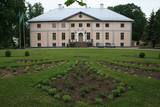 |
Das Landgutsschloss wurde in der Mitte des 18. Jh. als ein Jagdschloss gebaut, gehörte dem Adelsgeschlecht von Medem. Das Eingangsportal des Schlosses (Spätbarock) und das Marmorrelief darüber mit einem Wappen der Allianz der Adelsgeschlechte von Medem und Keizerling sind ein hervorragendes Kunstdenkmal aus dem 18. Jh. |
|
 5 Tagen
|
This route passed along many places where events directly related to the emergence of the Latvian state and to the subsequent freedom battles occurred. The historical route from Rīga to Liepāja via Dobele, Saldus, Skrunda, Durbe and Grobiņa was used as long ago as the 13th century. People in the Kurzeme region of Latvia have always eat sea, river and lake fish, particularly smoked fish. Potted smoked cod, served in a clay pot, is a particular delicacy, as are smelts, sea pike, sprats, herring and salmon, available all year long. Ladies of the house bake tasty rye bread, sourdough bread and tasty carrot buns, and they also cook various porridges from barley. Dairy products, Summer Solstice cheese and “white butter” has an important role. Fresh goat milk cheese is prepared with dills and garlic, and goat milk cheese is also tasty. Menus will include local domestic fowl and meat dishes, including roasts, ribs, sausages, as well as more exotic dishes such as pig’s tongue and bull testicles. Fancy taverns will offer pheasant and wild game with mushrooms, lingonberries, juniper berries and wild herbs. In Kurzeme you will be greeted with delicious pies, sheet cakes, poppy seed pastries and honey cakes, biscuits with poppies and cranberries, dessert from rye bread, lingonberries or cranberries and sweet cream.Blackberry dumplings are popular. More unusual are marmalades made from wild plants such as mountain ash, cranberries and even fir needles. Slake your thirst with aromatic herbal teas with honey and enjoy a mug of beer or some homemade wine. |
|
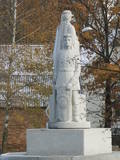 |
Der Name von Dobele ist in den historischen Quellen im Jahr 1254 erwähnt worden. Dobele war einer der am besten befestigten Orte der Semgallen, darum hat dieser Ort von 1279 bis 1289 sechs Einfälle der Kreuzritter überlebt. Doch im Jahr 1289 waren die Semgallen gezwungen zurückzutreten. Im Jahr 1335 haben die Eroberer an der Stelle der Burg von Semgallen mit dem Bau einer neuen – gemauerten Burg begonnen. Am gegenüberliegenden – am linken Ufer des Flusses Bērze begann sich eine Ortschaft der Händler und Handwerker zu bilden. Die Stadt hat sehr stark im Nordischen Krieg und in der darauf folgenden Pestzeit gelitten. Ein bedeutendes Ereignis im wirtschaftlichen Leben der Stadt war das Jahr 1927, als die Eisenbahnlinie Liepāja – Glūda ausgebaut wurde. Nach dem Ersten Weltkrieg kamen nach Dobele Militärpersonen der Sowjetarmee, die einen der größten Panzerschießplätze der UdSSR Dobele-2 gebaut haben. Jetzt können die Besucher von Dobele interessante Sehenswürdigkeiten besichtigen. |
|
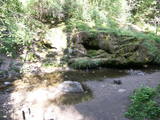 |
Die Staburags – Klippen von Rauna sind die wichtigsten Klippen, seit die großen Staburags – Klippen der Daugava unter den Wellen des Staudamms während des Baus des Wasserkraftwerkes in der Nähe versanken. Diese Klippen sind etwa 8.000 Jahre alt und werden als Kalkablagerungen aus Moos und anderen Pflanzen gebildet. Die Staburags – Klippen von Rauna werden als der einzige Ort in Lettland benannt, wo das Alpenfettkraut beheimatet ist, jedoch ist es in den letzten 15 Jahren dort nicht mehr gesehen worden. Vielleicht sind die vielen Menschen, die die Klippen jedes Jahr besuchen, schuld daran. Der Strom, der den Kalk zu den Klippen bringt, ist ein Biotop von europäischer Bedeutung.
|
|
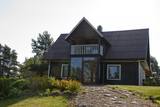 |
Ciemos gaidīti gan pāri, gan ģimenes, gan draugu kompānijas. Lauku sēta sastāv no piecām ēkām. Neskartā daba un tīrais gaiss ļaus atpūsties pilnīgā klusumā. Ap 50 m no Šventosios (Svētās) upes atrodas galvenā ēka, kurā ir divas guļamistabas ar tualeti un dušu nakšņošanai līdz 10 personām. Pirts namiņš būs ērts draugu lokam līdz 9 cilvēkiem. Pieejami trīs jauni VIP namiņi 2-4 cilvēkiem upes krastā. Piemērota vieta kāzu, dzimšanas dienu u.c. svinībām. |
|
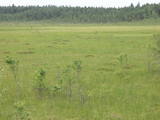 |
Dabas liegums veidots salīdzinoši neliela pārejas tipa purva aizsardzībai. Purvu lieliski var pārredzēt no nelielā skatu torņa.
|
|


