
| No | Name | Description |
|---|---|---|
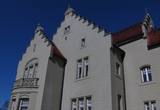 |
The museum has more than 120,000 objects which focus on the history of Liepāja and Southern Kurzeme from the Stone Age to the 19th century. Another exhibition is focused on the life and work of the wood sculptor Miķelis Pankoks (1894-1983). New art exhibitions are periodically staged at the museum. |
|
 |
Peony collector Andris Berkens opens up his garden to visitors each spring and popularises and praises the name of Tērvete by bringing beautiful stories about flowers throughout the world. Flowers can be purchased to enhance a visitor's garden, and the recommendation is to visit when the flowers are in full bloom. Visit is free of charge. |
|
 |
In 2006, a wooden pathway was installed across the Planči swamp – 500m long, which means that the visitor will spend around 20 minutes there. This is probably the only nature trail in Latvia for which there are plans to post information in Braille for people with impaired vision.
|
|
|
|
Atrodas Raganas centrā pie degvielas uzpildes stacijas, viesnīcā „Raganu ligzda”. Piedāvā mūsdienīgu Latvijas virtuves ēdienkarti. Kompleksās pusdienas. Sadarbojas ar vietējām zemnieku saimniecībām. |
|
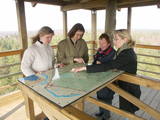 |
This hill in the Tīreļpurvs swamp is an historical object of national importance – the only area in Latvia that is restricted for cultural and historical purposes. There is unique evidence here of World War I fortifications and the so-called Christmas Battle that was fought here.
|
|
 |
Piedāvā ļoti gardus Lietuviešu tradicionālos ēdienus. Var pieņemt līdz 1000 personām.Pieņem bankas kartes, ir āra terase, dzīvā mūzika kā arī autostāvvieta. |
|
 8 days
|
This tour offers a look at modern farms that based their work on ancient jobs and skills. Everything that is grown and processed in Latvia's countryside is found at the Central Market in Rīga, where this tour begins. It is one of the largest and oldest markets in Europe. From there you will travel to several farms to taste candy made of natural juices, cheese, grain foods, yogurt and ice cream. You will visit a traditional farm with a technology museum. Each farm will offer a brief introductory tour. Along the way, you will visit the Rundāle Castle and its park and rose garden, which were designed by the 18th century architect Rastrelli and are a true jewel of Baroque and Rococo architecture. In Bauska you will visit City Hall to see a collection of old measuring items, the Bauska Castle and the Bauska brewery. In Lithuania you will visit farms that grow lavender, medicinal plants and hemp. They will be happy to sell their products to you. The town of Anykščiai offers a trail above the trees, and the Krenave archaeological complex is on the UNESCO heritage list. At the conclusion of the tour, you will visit the Trakai lake castle that was built in the 14th and 15th centuries, as well as Vilnius. |
|
 |
For more than 60 years, ice-cream is made in the historic Rūjiena dairy house, built in 1912. Everyone is kindly invited to take a tour and learn about the ice-cream of Rūjiena, watch the video about the manufacturing process, and, of course, enjoy Rūjiena ice-creams. |
|
 3 days
|
The tour makes a loop through historical regions of Sēlija and Latgale. It starts and ends in Daugavpils, the 2nd largest city in Latvia. |
|
 6 days
|
On this trip you will encounter a rich blend of wetland, woodland and coastal habitats, when almost all the species have arrived and some passage migrants still remain, with the possibility to see around 200 different species. Birdwatching starts in the Gauja National Park with beautiful rolling relief, then goes to the eastern edge of the Gulf of Riga and Lake Burtnieks where there is also the chance of night trekking on the flood plains. Seda bog with its reed beds and flood plains is rich in wildlife. Next day canoeing along the Gauja river will offer a different viewpoint to see the birds, plus with luck some beaver and other wild fauna. Then you pass through oak forest to Lake Lubans. Its wetlands and fish ponds form one of the prime birdwatching sites in the country. A local speciality - fish-soup - will keep you warm. The site is also one of the first known stone-age settlements in Latvian territory. On the way back to Riga there is a stop at Garkalne pine forest. |
|
 |
The beer cellar Mara is situated in Talsi. Number of seating places: 100, in the summer season: 200. Working hours Mon-Sun: 11:00 - 23:00; from May to September beer garden: 10:00 - 02:00 |
|
 5 days
|
After the establishment of the Livonian state, the pope consecrated this land in honour of the holy Virgin Mary. This created Terra Mariana or Māra’s Land. The road between Ludza, Rēzekne and Daugavpils runs along an ancient trading route that once connected Vilnius and Kaunas to Pskov and, later, to St Petersburg and Warsaw. Very beautiful and poetically picturesque with rivers and lakes that are in Latvia’s forested land and among hillocks that offer a wonderful look at the distant horizon – that is Māra’s Land, which is also known as the Land of Blue Lakes. Lake Rāzna is the second largest in Latvia, and when the weather is clear, Mākoņkalns Hill or Padebešu Hill is reflected in its water. Atop the hill are the oldest ruins of fortifications in Latgale, dating back to the Livonian era. Rēzekne is known as the heart of Latgale, because it has always been the centre for Lettigalian culture and education. People contributed donations for the 1939 construction of a monument to Māra of Latgale. It is dedicated to those who fell during Latvia’s independence battles and the liberation of Latgale. The monument also speaks to the Catholic identity of Latgale. The monument was rededicated on August 13, 1992, the date of the assumption of the Virgin Mary. A Catholic festival at Aglona and the monument to Māra of Latgale – these are integral components of this part of Latvia. The present day is marked out clearly by the new Gors concert hall in Rēzekne, and well as the Zeimuļš student interest education centre. Daugavpils is Latvia’s second city and an important centre for industry, culture, education and sports. The Daugavpils pellet factory is unique, and the oldest pellet casting tower in Europe is now open to visitors, as are the restored Daugavpils fortress and the new Rothko Museum. Not far from Daugavpils are the small Birķeneļi semi-estate and the Rainis Museum. Latgale was the “land of new days” for the poet, and the museum now hosts gatherings of young artists and craftspeople. The ancient tradition of ceramic art that is typical specifically of this part of Latvia is still thriving. |
|
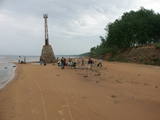 |
Ķurmrags is one of the most distinct capes along the Vidzeme shore of the
|
|
 |
The area is in the centre of the Teirumnīki swamp, alongside a lake of the same name. There is a wooden footpath that crosses the swamp (800 metres). This is an excellent opportunity to study a high swamp, a swamp lake, and the surrounding environment.
|
|
 |
Café Roomassaare is located near Kuressaare, providing a picturesque view of the Roomassaare yacht pier. In the summer season, the café mostly prepares dishes from local products, offering both locals and tourists a simple and clean combination of local flavours. A lot of fish as well! |
|
 |
This craftsman uses the black ceramics technique. You can watch him opening the kiln, take part in creative workshops, and commission or purchase ceramics products. |
|
 |
Here you will learn about the history and cultural heritage of the Liv people of Vidzeme. Tour the museum and enjoy once characteristic foods from the region – special porridge and a strong alcoholic beverage brewed in accordance with ancient recipes. If your group wishes to do so, it can take part in the baking of rye bread in a true country oven. |
|
 |
The restaurant is in the Park Hotel Latgola with a broad view of the city from the 10th floor. It offers Lettigalian and global cuisine. |
|
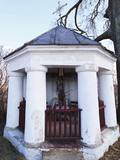 |
The Crucifix of Kurpinīki is known also as the place where Janis Streičs
shot some scenes of the movie „The Child of a Man”. Long time ago this crucifix
was situated in the courtyard of writer’s grandfather Donat Klidzejs in the USA.
|
|
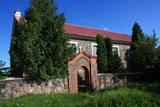 |
The Archangel Michael Catholic Church of Subate is in the historical centre of Subate. The building, which does not have a tower, was built of fieldstones in 1831, with financing from Count Mikhail Sieberg-Plater. An impressive bell tower was built in front of it. The church contains a sculptural group, “Golgotha,” from the late 18th century, along with a crucifix and a major altar relief that is made of carved wood. It is based on the globally famous Leonardo da Vinci fresco “The Holy Supper.” |
|


