
| Nr | Nosaukums | Apraksts |
|---|---|---|
 |
Mīlestības saliņas paviljons - rotonda –
celta klasicisma stilā 1928. g. Savulaik te bija
laivu piestātne. Līdz šim nolaisto un
apmeklēšanai bīstamo objektu plānots
atjaunot.
|
|
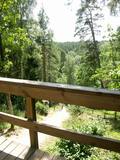 |
Viens no ainaviski izteiksmīgākajiem Latvijas pilskalniem ar ļoti labu skatu uz plašu apkārtni līdz pat Lietuvai. Pēc Latvijas pilskalnu pētnieka E. Brastiņa domām šeit atradusies zemgaļu Sidrabenes pils. Nelabiekārtots.
|
|
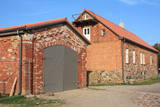 |
Meklējams Sakas upes labajā krastā - Dzintaru ielā 1. Tas izvietots Pāvilostas pirmajā mūra (no sarkaniem ķieģeļiem un laukakmeņiem) ēkā , kuru cēla 1879. g. kā loču māju. Muzeja krājums veltīts novada un piekrastes zvejniecības un jūrniecības vēsturei. Krājumā apskatāmi Sakas pagastā atrastie akmens un kaula cirvji, kaltas bronzas saktas un jostas un unikāls eksponāts – medus spiede. Blakus atrodas laivu māja ar lielgabarīta eksponātiem. 2012. g. tiks atklāts mansards, kurā plānotas izstādes un tematiski pasākumi. + 371 63498276. Vērts iepazīt arī Pāvilostas vecāko daļu – Āķgalu, kas ir tipisks 19. gs. - 20. gs. piekrastes ciema apbūves paraugs. |
|
 |
"Maizes māja" ir vieta, kur bērni un pieaugušie caur izzinošām un izglītojošām programmām var iepazīt latviešu tradīcijas un lauku darbus. Saimnieki piedāvā praktisku darbošanos lauku sētā. Iespējams līdzdarboties īstas lauku maizes cepšanas rituālos, izzināt ar maizi saistītās tradīcijas, kā arī pašiem gatavot mīklu un cept pīrāgus. Tāpat iespējams iepazīt graudus un izpētīt to produktus, izveidot latviešu spēka zīmes. Kad darbi paveikti, visi tiek aicināti pie saimes galda baudīt pašu gatavotu un saimnieku sarūpētu mielastu. Savukārt senajā klētī iespējams nosvinēt gan gadskārtu godus, gan citus sev īpašus svētkus, kā arī izbaudīt paplašinātas dzīves prasmju programmas ar ugunskurā vārītu zupu un dabas norišu vērošanu. |
|
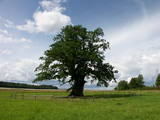 |
Otrs Latvijas un Baltijas resnākais koks. Koka stumbrā liels un vaļējs dobums. Kā jau šāda izmēra koki, tas cietis no zibens. Ainavisks un apjozts ar koka sētiņu.
|
|
 |
Restorāns „Rātes vārti” ir viens no iecienītākajiem restorāniem Valmierā, kas atrodas pašā pilsētas centrā, pretī Valmieras Rātslaukumam un Sv. Sīmaņa luterāņu baznīcai jau 15 gadus. Restorānam ir sezonāla ēdienkarte. Vasaras sezonā ir atvērta āra terase. |
|
 |
Vienīgajā Cieceres ezera salā izveidojies cilvēka mazietekmēts mežs, kurā dominējošās koku sugas ir ozols, liepa un oši. Daži no ozoliem ir sasnieguši dižkoku izmērus. Nozīmīga dzeņveidīgo sugu dzīves vieta. Nelabiekārtota, tādēļ vislabāk to apskatīt, neizkāpjot no laivas. |
|
 2 dienas
|
Maršruts piemērots laivotājiem, kam nepatīk vienveidība. Latgales ezeri joprojām ir ūdenstūristu mazapgūta teritorija, taču ļoti pievilcīga gan ainavu, gan kultūrvides ziņā. Maršruta informācija no Latvijas Lauku foruma |
|
 |
Zemnieku saimniecība "Mežnoras" Raunā izveidota 1993.gadā. Saimnieki Aivars, Ārija un Līga Urbasti šobrīd audzē 1,6 ha vasaras un rudens avenes, arī nelielās platībās zemenes uz lauka un segtās platībās, siltumnīcā. Zemenes no "Mežnorām" parasti pieejamas laikā no maija vidus līdz oktobra vidum. "Mežnorās " audzē vasaras avenes "Norna", rudens avenes "Babje ļeto", “Polana”, populāro zemeņu šķirni “Polka”. No savā dārzā audzētajām ogām (upenes, jāņogas, ķirši, zemenes u.c.) Aivars gatavo mājas vīnu: "Mežnoru vīns pilnībā sākās Mežnorās. Tas piedzimst nevis mucās, bet sākas mūsu zemeņu vai aveņu laukā, un tās ir daudz dziļākas saknes, kas atstāj pēdas arī garšā”. Saimniecībā audzētais pieejams uz vietas Raunā, gan arī Straupes Lauku labumu tirdziņā, Straupes Hanzas tirgū, arī sezonā - Cēsu tirgū. |
|
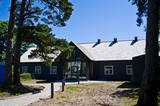 |
Kolkas Lībiešu saieta nams tika atklāts 2019. g. Tajā var iepazīt Ziemeļķurzemes lībiešu kultūru, uzzināt par tradicionālajām nodarbēm, klausīties valodas skanējumu un gūt priekštatu par piekrastes kultūrvēsturisko mantojumu. Saieta namā var organizēt un apmeklēt kultūras pasākumus, seminārus, mācības, izstādes, kā arī saņemt tūrisma informāciju. |
|
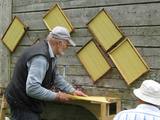 |
Mācību drava piedāvā piedzīvojumu bišu dravā - ieraudzīt, sajust, sagaršot, sadzirdēt. Apmeklētājiem ir iespēja iepazīt dravnieka arodu (no maija līdz novembrim), izbaudīt veselības kūri (no maija līdz augustam - trešdienās un sestdienās) un degustēt bišu našķus, drosmīgajiem - īpaši pārsteigumi. Organizē meistarklases "Sveču gatavošana", "Vaska gleznas", "Gardēdis", "Veselība no bišu dravas", "Jaunais biškopis", kā arī praktiskas apmācības un seminārus biškopjiem. |
|
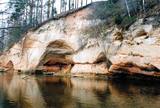 |
Viena no skaistākajām Igaunijas upju senlejām – 12 km gara ar gandrīz 40 ainaviskiem Devona perioda smilšakmens atsegumiem, no kuriem īpaši jāpiemin Viira müür, Kalamatu müür un Põdramüür.
|
|
 |
Briežuciems, kas atrodas Balvu novadā, ir izveidojies pēc 2. Pasaules kara kā padomju saimniecības „Briežuciems” centrālais ciemats. Mūsdienās Briežuciema amatu meistaru ciems ir vieta, kur tiek kopti un godāti tradicionālie amati, iesaistot tos mūsdienu dzīvē. |
|
 |
„Lācīši” meklējami Galgauskas pagastā, kas atrodas dienvidrietumos no Gulbenes. Saimniecības, kas ir viena no lielākajām Vidzemes ziemeļaustrumu daļā, specializācija ir graudaugi (577 ha), rapši (295 ha) un dažādu zālāju sēklaudzēšana. Otrs saimniecības darbības virziens ir piena lopkopība (ap 100 govis), gaļas lopkopība un jaunlopu audzēšana. Izveidota interesanta apspriežu – prezentāciju telpa, kas apvienota ar govju kūti (darbība kūtī vērojama cauri lieliem stikla logiem). Aktīvi iesaistās ES projektu apguvē. Iepriekš piesakoties, iespējama saimniecības apskate un pieredzes apmaiņa. |
|
 |
Saimniecības laukos ganās ap 300 aitu kupls ganāmpulks, no kura iegūst gaļu un vilnu. Piedāvā ekskursiju, kurā stāsta par aitu audzēšanu, cep maizi, auž un uz ugunskura vāra zupu. Apmeklētāji var iegādāties adītas zeķes, cimdus, segas, lakatus, galdautus un citas saimniecībā noderīgas lietas. Stāsta par atjaunotās mājas vēsturi un kopj latviskās tradīcijas. |
|
 7 dienas
|
This tour leads to the popular seaside resort towns in Lithuania and Latvia, from Nida on the Curonian Spit to Jūrmala on the Gulf of Riga. The first stage of the route runs through the Curonian Spit to the city of Klaipėda with its symbol – the wooden sailing ship – and its old town resembling German towns in terms of architecture. You will then visit the Lithuanian summer beach capital Palanga with some of its top sights being the Botanical Park, the Amber Museum, the pedestrian street of J. Basanavičius and the Sea Pier. Next, the route will take you to the former fishermen village of Šventoji, now a resort town, near which the Žemaičių alkas (Samogitian Sanctuary) is located – an ancient pagan sanctuary. After crossing the border of Lithuania/Latvia you will reach Liepāja – known as the windiest city in Latvia. Should you be interested in military heritage, you will find that in the former military port of Karosta. The tour continues to reach Ventspils, another seaside city. Here, you can go on a voyage on a small vessel on the river Venta river and out to the sea, walk along the riverside, go for a ride on the narrow-gauge train called “Mazbānītis”, marvel at greenery in the form of clocks made of flowers, spot the iconic cows of Ventspils – multiple sculptures scattered around the city streets. At the end of the tour, you will drive to Jūrmala and walk on the Baltic Coastal Hiking Route through the longest Latvian resort cities boasting with its widest sandy beaches. |
|
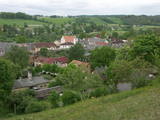 |
Pret dienvidiem vērsta Abavas senlejas krasta nogāze, kur jau hercoga Jēkaba laikā audzēja vīnogas, no kurām darināja skābenos Kurzemes vīnus. Vīnogu audzēšanas (tālākais ziemeļu punkts Eiropā) tradīcijas šeit turpina arī mūsdienās. |
|
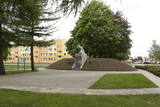 |
Atrodas Piņķu centrā, Rīgas ielas malā. Veltīts 1919. gada notikumiem, kad 22. maijā pēc gandrīz divu mēnešu dīkstāves, pulkveža Baloža brigāde devās uzbrukumā Rīgai, lai atbrīvotu galvaspilsētu no lieliniekiem. Baložu brigādei atbalsts bija jāsniedz vācu landesvēram un Vācijas dzelzs divīzijai, kā arī krievu kņaza Līvena nodaļai. Pirmo pieminekli atklāja Latvijas Valsts prezidents Kārlis Ulmanis 1939. gada 23. maijā. 1951. gadā padomju vara to nopostīja, bet 2003. gadā tika uzstādīta pieminekļa kopija (tēlnieks J. Briedis, O. Skaraiņa kopija). |
|
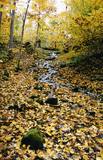 |
The lime gully that emerged as the Baltic ice lake receded is crossed by the powerful streams of Mežmuiža, and the water from these streams contains a high concentration of lime salts. The water from the streams flows into a mill pond that has a very interesting colour. The sculptor Teodors Zaļkalns once lived in the travertine mill that is alongside the pond. Wood pathways have been installed for those who wish to visit the streams.
|
|
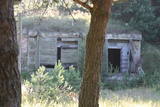 |
The 77th Zenith Missile Brigade of the Soviet Army was charged with air defences along the Soviet Union’s external border. The facility is owned by the regional local government and is not used for anything. There is an interesting gate at the entrance to the facility, however.
|
|


