
| Nr | Name | Beschreibung |
|---|---|---|
 |
Iespēja atpūsties un relaksēties pirtiņā, baudot latviskos pirts rituālus. Sildīšanās un pēršanās ar pirtsslotām, augu skrubji un maskas, kāju vanniņas un zāļu tējas. Pēc pēriena – veldze dīķī. Pirts tā ir svētnīca miesai, garam un dvēselei. Piedāvājumā arī izglītojošā programma par augu spēku un to izmantošanu savai labsajūtai. Apmeklējums noteikti iepriekš jāpiesaka! Vietu skaits ierobežots! |
|
 2 Tagen
|
Маршрут подходит для тех, кто любит наслаждаться природными и культурными ценностями! Сказочные Слитерские Синие горы известны уже с давних времен, когда на них «пираты» жгли ложные костры, чтобы корабли налетали на мель мыса Колки. В наше время берега национального парка «Слитере» образно наывают геологическим музеем Балтийского моря под открытым небом, так как здесь можно увидеть древний берег Балтийского ледникового озера, береговой уступ Анцильского озера и дюнные образования Литоринского моря (валообразные дюны (кангари) и заболоченные междюновые впадины (виги)), которые наглядно отображают историю развития Балтийского моря за последние 10 000 лет. Этот берег исторически населяли ливы, рыбацкие поселки которых являются значимой культурной средой одного из самых малых национальных меньшинств в мире. Маршрут на участке от Мазирбе до Колки ведет по старой прибрежной дороге, которая петляет через ливские поселки – Кошрагс, Питрагс, Саунагс и Вайде. Национальный парк «Слитере» – одна из наиболее флорестически богатых территорий Латвии, а мыс Колка – одно из популярнейших мест для наблюдения за птицами во время их миграции. Информация о маршруте от Latvijas Lauku forums |
|
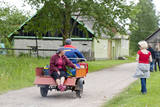 |
Insel Piirissaare im Peipussee hat eine Fläche von 7,5 km². Die Inselbewohner sind grossenteils ussische Altgläubige. Die alte Kultur ist während Jahrhunderten gut erhalten geblieben. Die Hauptbeschäftigung der Inselbewohner ist Fischfang. Auf den Feldern wird Gemüse, hauptsächlich Zwiebel angebaut. |
|
 |
Das Café befindet sich am Weinberg, der seit den Zeiten des Herzogs Jacob bekannt ist, als hier Weintrauben gezüchtet und die sauren Weine von Kurland hergestellt wurden. Lettische Küche: Kalte Suppe, gebratener Zander, geschichtetes Roggenbrot-Dessert, Kartoffelpfannkuchen. Das besondere Gericht: In Sabile hergestellte Hausweine. |
|
 8 Tagen
|
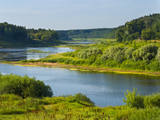
Nicht umsonst nennt man die Düna (lettisch Daugava) „Mütterchen Düna“ und „Schicksalsfluss“. Ein großer und wasserreicher Strom fließt durch unser Land und unsere Geschichte. Die Wikinger haben diesen Fluss schon seit dem 5. Jh. benutzt. Krāslava als ein alter Siedlungsplatz an der Düna war schon den furchtlosen Seefahrern gut bekannt, weil flußabwärts von Krāslava man segeln konnte. In den Sagen nennt man Krāslava Dynasaiforgarðr. |
|
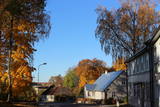 |
Durbe ist der Einwohnerzahl nach die kleinste Stadt (etwa 500 Einwohner) in Lettland hat jedoch eine ruhmreiche Vergangenheit. Durbe wurde schon 1230 im Vertrag der Kuren mit dem päpstlichen Gesandten Balduin d'Aulne erwähnt. In der Umgebung von Durbe fand 1260 die berühmte Schlacht an der Durbe zwischen Deutschem Orden und Litauern statt, wobei die in den Dienst gepressten Kuren während der Schlacht auf litauische Seite überliefen. In Durbe lebte und arbeitete einer der ersten lettischen Spezialisten im Obstbau, Sīmanis Klevers (1834–1922). Dank seiner Tätigkeit kann man in den Gärten der Umgebung zahlreiche alte Apfelsorten finden. Im Wappen von Durbe, wie es 1925 genehmigt wurde, befindet sich ein silberner Apfel. Hier gibt es mehrere Höfe und viele aktive Gärtner, die Obst anbauen. Jährlich im September findet das Apfelfest statt. |
|
 |
Kaļķis – ein bewohnter Ort, wo immer noch
in offenen Steinbrüchen („Kalnciems2“)
Dolomit gewonnen wird. Ein Teil von den
Steinbrüchen ist überflutet.
|
|
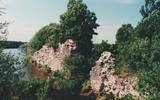 |
Zurzeit – eine Insel auf dem Stausee des Rigaer Wasserkraftwerkes, die per Boot erreichbar ist. Eine alte Wallburg von Sellen, die mehrmals während der 6 – 12 Jahrhunderte besiedelt wurde. Hier befand sich ein politisch-militärisches Zentrum der Region Sēlija. 1373 hat hier der Livländische Orden sowie auf den anderen alten Wallburgen eine Steinburg gebaut, die 1704 im Großen Nordischen Krieg vernichtet wurde. Bis heutzutage sind die Reste von einem viereckigen Turm, einen Raum für Wache und einen 12 m hohen Wall vor der Burg erhalten geblieben. Ungefähr 0,3 km nördlich von der Wallburg von Sēlpils ist die unter Wasser gesetzte Wallburg Oliņkalns zu sehen. |
|
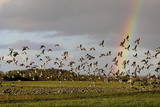 |
Der Nationalpark Matsalu (48 610 ha) wurde als Schutzgebiet für die zahlreichen Vogelarten eingerichtet. Im 1976 wurde Matsalu zu der bedeutendsten Feuchtgebiete der Welt aufgenommen und auf die Ramsar Liste eingetragen. Matsalu ein wichtiger Zwischenstopp für Zugvögel und ein Nistplatz für viele Watvögel und gehört zu den populärsten Vogelbeobachtungsgebieten in Europa. Hier gibt es viele Naturpfade und 8 Vogelbeobachtungstürme. Vogelbeobachtungstouren und Pauschalen für Familien, sowie Kanuwanderungen in Matsalu bietet der Reiseveranstalter Estonian Nature Tours (www.naturetours.ee). |
|
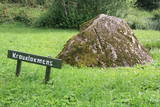 |
Rīgas – Daugavpils šosejas (A 6) malā (vietā, kur no Zemkopības institūta nogriežas ceļš uz Skrīveriem) redzama zema ieplaka ar Kraukļu akmeni, kas ir sena kulta vieta. Pie akmens veikti arheoloģiskie izrakumi, kuru laikā atrastas senlietas. Vecākā ir no 12. gadsimta. Akmens aprakstīts slavenajā Andreja Upīša (1877. – 1970.) darbā „Sūnu ciema zēni”. |
|
 |
Atpūtas vieta Braslas upes krastā. Tajā ir galdi piknikam, nojumes ar galdiem, ugunskura un telts vietas. Pieejamas divas divvietīgas naktsmītnes. |
|
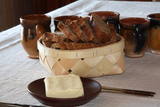 |
Dieser Hof ist ein authentischer Hof aus dem Anfang des 20. Jhs. mit einem Wohnhaus, einer Kornkammer, einem Stall, einer Sauna und einer Schmiede. Hier kann man den Vorführungen einer Folkloregemeinschaft zuschauen, die Sommersonnenwende feiern, an Jahrmärkten des Tages von Mikelis (Herbstsonnenwende) teilnehmen und verschiedene Gewerbe erlernen. Lettische Küche: Klöße, Graupen mit verschiedenen Zutaten, selbstgebackenes Brot, Butter, Käse, Kräutertees und das lettgallische Hausbranntwein Šmakovka. Das besondere Gericht: Brot von Andrupene. |
|
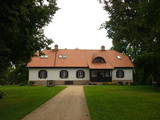 |
Das Vorwerk Birkineli ist als kulturgeschichtliches Denkmal staatlich geschützt. Es ist bekannt als Elternhaus des berühmten lettischen Literaten und Aktivisten Rainis (1865-1929). 1995 wurde das Haus restauriert und wird seit 1996 als Gedenkstätte für Rainis in Birkineli betreiben. Seine Kindheitserinnerungen von hier hat er in den Gedichtsammlungen „Fünf Skizzenhefte von Dagda“ verewigt. Heute werden im Rainis-Haus Führungen angeboten, Workshops, Ausstellungen und die Besucher haben die Möglichkeit Kleidung aus jener Zeit von Bauern, Dienern und anderen Berufsgruppen auszuprobieren. Rings um das Haus gibt es einen großen Obstgarten, und diesbezüglich werden Kurse unter dem Titel „Apfelweg“ angeboten. Besonders erwünscht sind Kinder und Jugendliche als Besucher. Vom Haus aus hat man eine prima Aussicht auf die Landschaft von Selonia. |
|
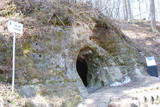 |
Die Ruinen der Ordenburg Helme befinden sich an der Landstrasse Pärnu-Valga auf steilen Hügeln. Die Burg gehörte früher den Deutschen, den Russen, den Litauen und den Schweden, die es 1658 zerstört haben. Unten im Tal gibt es die Artztquelle, deren Wasser 7 Krankheiten heilen soll. Nördlich von der Burg befinden sich die Höhlen Helme, die auch zur Hölle genannt werden. Sehenswert sind zwei Säle. |
|
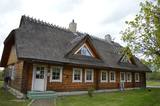 |
Der Bauernhof Tihuse auf der Insel Muhu betreibt Pferdezucht. Angeboten wird auch authentisches Essen. Für denjenigen, die an verschiedenen Unverträglichkeiten leiden, gibt es spezielle Gerichte. Die Ausritte mit Pferden sind sehr beliebt, danach folgt ein Picknick. Besonders lecker ist der Linsenkuchen. |
|
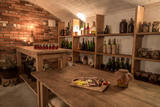 |
Die Gäste sind eingeladen den traditionellen, litauischen ethnographischen Keller zu besuchen. Hier wird die Verkostung von gepökeltem Speck aus eigener Produktion mit sauren Gurken aus ökologischem Anbau geboten, zudem kann man sich Frischkäse mit verschiedenen Beerenmarmeladen schmecken lassen und die ganze Sache mit auf dem Hof erzeugten Wein und Apfelwein abrunden. Im Angebot steht ferner Kräutertee aus Gemeinem Schneeball. |
|
 |
Auf der Käsefarm Andre werden Käse hergestellt und verkauft, die in der ganzen Welt eine hohe Bewertung erhalten haben. Qualitative und leckere Milch wird von den glücklichen Farmkühen erhalten. Farmgäste können die Kühe besuchen und streicheln sowie den Melkvorgang beobachten. Im kleinen Bauernladen kann man sowohl Käse als auch Bioprodukte anderer örtlicher Kleinhersteller kaufen. |
|
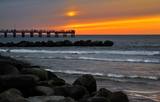 |
Palanga is known to be the biggest by-the-sea resort in Lithuania because of its seacoast's main attractions - dunes and white sand. And because Palanga is a resort there are plenty of cafes, restaurants, bars and more for those who would like to enjoy a meal or a drink, for those who like active sport - there is possibility to cycle, go horseback riding, swim and much more. |
|
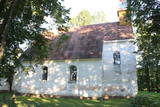 |
Im nördlichen Teil des Parks von Zasa befindet sich die im Jahr 1750 gebaute und nicht große evangelisch-lutherische Kirche von Zasa. Heute ist die Orgel des Gotteshauses erneuert worden, die der bekannte Orgelbaumeister Andrejs Sūnākslis gebaut hat. An der Kirche befindet sich der Friedhof der im Ersten Weltkrieg gefallenen deutschen Soldaten. |
|
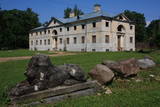 |
Muiža sāka veidoties 16. gs. beigās (īpašnieki - Tīzenhauzeni, vēlāk Bēri), bet no 1753. g. tā kļūst par Mēdemu dzimtas īpašumu. Tagad redzamo muižas pili (mūsdienās tikai atliekas) cēla 1806. - 1810. g. klasicisma stilā (Johana Georga Ādama Berlica projekts) pēc itāļu izcelsmes Pēterburgas galma arhitekta Džakomo Kvarengi meta. Muižas īpašnieks tajā laikā bija Johana Frīdriha Mēdema dēls - Kristofs Johans Frīdrihs (saukts par Žanno). Elejas pilī bija savākti daudzi nozīmīgi Eiropas mākslinieku darbi, kā arī iekārtots izcils interjers. 18 muižas kompleksa ēkas nodedzināja Pirmā pasaules kara laikā (1915. g.) un līdz mūsdienām ir saglabājušies tikai nelieli pils pirmā stāva drupu fragmenti ar kaltiem portika kolonu kapiteļiem, pārvaldnieka māja (apskatāma no ārpuses), atsevišķas saimniecības ēkas un parks. No pils drupām pa aleju var aiziet līdz Tējas namiņam (bēdīgā stāvoklī). 0,5 km ziemeļos no pils drupām atrodas 1912. g. izveidotā Mēdemu dzimtas kapsēta. Elejas pils mūra žoga arkādē iemūrēts dobumakmens. |
|


