
| Nr | Name | Beschreibung |
|---|---|---|
 |
Atrodas Zebrus ezera austrumu krastā pie Latvijas Valsts mežu laivu bāzes. No torņa labi pārskatāms Zebrus ezers, ziemeļu virzienā – Ezerlūķu pilskalns. Laivu bāzē – atpūtas vietas. |
|
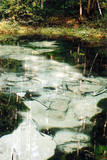 |
Three little lakes can be found on the left bank of the Pirita River with many erupting “eyes” of streams, each with its own colour (bluish-green, white, dark). This puts together various colour combinations. These are often known as the most beautiful streams in Estonia. Some pump out as much as 20-30 litres of water per hour. It is said that the waters are good medical resources, particularly for the eyes. There are improvements in the area of tourists.
|
|
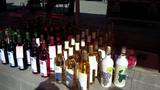 |
The owner of the venue makes homemade wine on the basis of traditions that have been handed down from generation to generation. You can taste four different wines along with snacks and engage in philosophical discussions about winemaking recipes. You can also buy the wines. |
|
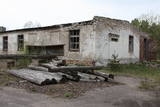 |
Station der Zenitraketen von Rucava ist umgeben von den Wälder der Ostseeküste. Zur Zeit ist das Objekt im Besitz von der Selbstverwaltung des Gebietes und wird nicht genutzt.
|
|
 |
Beķereja, veikals un kafejnīca atrodas Vaiņodes centrā. Saimniece cep pīrāgus, cepumus un plātsmaizes Latgales meistara mūrētā maizes krāsnī, gatavo tradicionāli latviskus ēdienus, klāj svētku galdus. Beķerejas veikalā var iegādāties ceptuves gardumus un uzzināt par apkaimes interesantākajām vietām. Par dienas aktuālo piedāvājumu beķerejas saimniece ziņo facebook.com/ineta.zveja . |
|
 |
Das einzige Milchverarbeitungsunternehmen in Lettland, das Rohmilchkäse "Tējas" mit verschiedenen Geschmäcken herstellt. Das Unternehmer stellt auch geräucherten Wurstkäse, Käse für Salate und süßes Quarkriegel "Gardumiņš", sowie andere Milchprodukte her. Die Erzeugnisse kann man auf dem Markt in Daugavpils, auf dem Rigaer Zentralmakrt, sowie an den allen Handlungsorten des Unternehmens "Latgales piens" in Lettland kaufen. |
|
 10 Tagen
|
Auf dieser Reise werden Sie Handwerksbetriebe, Pferdehöfe sowie verschiedene Produzenten regionaler Lebensmittel besuchen, bei denen altes Wissen eine moderne Umsetzung gefunden hat. Die erste Station ist Ikšķile. Dort werden Sie gleich zu Beginn in einen Keller hinabsteigen, wo Wein aus Birkensaft aufbewahrt wird. Auch werden Sie Sekt aus Birkensaft probieren. In Skrīveri lassen Sie sich von den Milchveredlungen überraschen: In einem gemütlichen Café an der Hauptstraße der Stadt wird ein hervorragendes hausgemachtes Eis sowohl mit Himbeergeschmack als auch mit Meerrettich- und Sardellengeschmack hergestellt. In Koknese können Sie Ihre Garderobe um einen neuen Ledergürtel, einer Tasche oder stilvollem Lederschmuck bereichern. Vorgesehen ist auch eine kleine Führung durch den Hanf-Hof und die Verkostung von Hanf-Delikatessen. Schwarze Tonwaren der latgalischen Meister passen perfekt auch in moderne Inneneinrichtungen. Im Brotmuseum von Aglona können Besucher eigenhändig den Teig kneten und eigenes Brot backen. Beim Besuch auf dem nächsten Bauernhof wird der Brotgeschmack im Munde durch köstlichem Käse ergänzt, der aus Milch des Lettischen Braunviehs hergestellt wird. Die letzte Station in Lettland ist die Stadt Daugavpils, die weltweit für das Mark Rothko Kunstzentrum und der aus dem 19.Jahrhundert stammenden Festung von Daugavpils - einem beeindruckenden Militärobjekt - bekannt ist. Weiter führt der Weg nach Litauen, wo Sie mehrere traditionelle Bauernhöfe besuchen werden. Das Landgut Ilzenbergo Dvaras beherbergt eine biologisch dynamische Landwirtschaft. Hier werden Sie Ihren Gaumen mit der litauischen Nationalspeise - Šakotis verwöhnen. Und danach die Stadt Anykščiai besuchen, wo Sie einen Spaziergang über den Baumwipfeln unternehmen können. Im Pferdemuseum sind alte landwirtschaftliche Geräte und Technik ausgestellt. Auf dem Reiseplan steht ebenfalls ein Bauernhof, wo den Besuchern traditionelle litauische Küche und das Töpfer-Gewerk beigebracht werden. Auf dem Pferdehof Dubingių wird Ihnen das Reiten in einer Reithalle angeboten. Zum Abschluss der Reise werden Sie die einzigartige Wasserburg von Trakai (14.-15.Jahrjundert) und Vilnius besuchen. |
|
 |
In Liepene Gebiet von Ventspils befindet sich die ehemalige Abteilung der Grenzwache des Meeres, die heutzutage ein Privateigentum ist und als Touristenunterkunft genutzt wird.
|
|
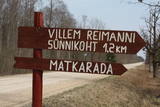 |
Kultūrvēsturiska taka (garums ~ 2 km) Tipu (Tipu) ciemā, kas iepazīstina ar vairākiem interesantiem objektiem: veco skolu (1931. g.), Hallistes upi, pirti un Paunas saimniecību, kurā dzimis viens no Igaunijas nacionālās kustības līderiem Villems Reimans (1861. – 1917.). |
|
|
|
Pie Melekiem sākas dabas lieguma teritorija. Meleku
krastmala būtiski mainījās 2005. g. orkāna laikā.
|
|
 |
This is a miniature zoo next to a tributary of the Ogre River, and most of it is taken up by a paddock of rabbits. Children just love the animals, as well as the hutches that were designed on the basis of the architecture of estates and castles. There are also goats, pigs, geese, peacocks, mandarin ducks and pearl hens. Children can help in feeding the animals. |
|
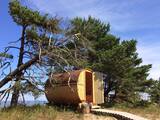 |
Ein ökologischer, einem Fass ähnlicher Bau aus Fichtenholz, der sich am Strand befindet. Das Bett befindet sich am Fenster, um romantische und der Natur nahe Gefühle zu erwecken. Ein ausgezeichneter Ort zur Beobachtung des Sonnenuntergangs und Sonnenaufgangs, sowie zum Genuss der Nähe der Ostsee. |
|
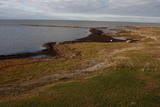 |
Puises ragā (Puise nina) ir uzcelts divstāvīgs atpūtas nams, kas apvienots ar putnu vērošanas torni. No tā paveras skats uz piekrasti, kas ir iecienīta migrējošo zosu atpūtas vieta. Šī ir privāta teritorija, kuras apskati vēlams saskaņot ar īpašnieku. |
|
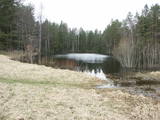 |
Das ist ein Gebiet von Lettland, in dem es verschiedene Hinweise auf Erdschichten mit wasserlöslichem Kalk gibt. Die ungewöhnlichsten Elemente sind hier die Seen Vecezers und Lake. Das Wasser des letzteren Sees ist über längere Zeit unterirdisch geflossen mit einem verbliebenen Seeloch mit mehr als neuen Metern Tiefe. Niemand kann vollständig erklären, wie das geschehen ist. Ein touristenpfad umrundet den See Linezers.
|
|
 15 Tagen
|
Die Autoreise von Vilnius nach Rīga führt Sie zu den schönsten und wichtigsten Sehenswürdigkeiten des Wald-Wanderweges in Litauen und seinem südlichen Teil in Lettland. Sie beginnen Ihre Tour mit dem Besuch der Hauptstadt Vilnius, dann fahren Sie zu der historischen Kurstadt Druskininkai, und danach wandern Sie auf dem städtischen Abschnitt des Wald-Wanderweges. Danach werden Sie den Nationalpark Dzūkija, den Merkinė-Burghügel und die Kurstadt Birštonas besuchen, die sich im Memelschleifenregionalpark befindet. Weiter erreichen Sie die zweitgrößte Stadt Litauens – Kaunas – und wandern durch die Stadt entlang der Route des Wald-Wanderweges, um schließlich den Wald von Panemunė zu erreichen. Anschließend führt die Der nächste Teil der Route umfasst den Regionalpark Dubysa mit dem spektakulären Dubysa-Flusstal, historischen Kirchen und mehreren Burghügel entlang der Flussufer. Das Gelände kann Sie mit einer anstrengenden Wanderung überraschen. Anschließend besuchen Sie die Stadt Šiluva, die ein katholischer Wallfahrtsort ist, und fahren dann zum Regionalpark Tytuvėnai, wo Sie den Naturpfad des Sees Gilius, der Teil des Wald-Wanderweges ist, erkunden. Die Tour geht weiter im Regionalpark Kurtuvėnai, wo Sie einen Abschnitt des Wald-Wanderweges von Kurtuvėnai nach Šaukėnai entlang kleiner Waldwege, Lehrpfade, schöner Baumalleen und durch Feuchtgebiete wandern. Dann fahren Sie zu der Region Žemaitija, besuchen die Stadt Telšiai und wandern einen Abschnitt des Wald-Wanderweges entlang des Plateliai-Sees. Anschließend führt Sie die Tour durch die steinerne Stadt Mosėdis nach Lettland, wo Sie eine Pause machen und einen Spaziergang durch eine der ältesten Städte Lettlands machen – Aizpute. In dieser Stadt empfehlen wird die Holzarchitektur aus dem 19. Jahrhundert und die lokale Weinbrauerei zu genießen. Weiter werden Sie für eine kurze Strecke des Wald-Wanderweges im herrlichen Gutspark Kazdanga wandern und danach weiter zu der schönsten Stadt Kurzeme – Kuldīga – fahren. Am Ende der Tour wandern Sie einen Teil des Wald-Wanderweges im Naturpark des Abava-Flusstals und entlang der Pfade im Nationalpark Ķemeri. |
|
 |
Der Vortrag im Hof macht die Besucher mit den im Hof gehaltenen Tieren, deren Pflege und Herkunft der Rasse bekannt. Die Besucher können zum Beispiel Eier einsammeln und lernen, wie man richtig im Sattel sitzt und reitet. |
|
 2 Tagen
|
Маршрут подходит для активных туристов, интересующихся многообразием природной и культурной среды национального парка «Кемери». Национальный парк «Кемери» (основан в 1997 г.) создан, прежде всего, для защиты водноболотных угодий – мелководного побережья Рижского залива, заросших прибрежных озер, болот, влажных лесов (трясин и др.) и пойменных лугов, как значимых мест произростания многих растений (~ 25 % от видов растений, занесенных в Красную книгу Латвии) и обитания животных, особенно мест скопления гнездящихся и перелетных птиц. На территории парка находится один из крупнейших заболоченных массивов Латвии – Большое Кемерское болото. Заболоченные массивы являются значимым местом образования и выхода сероводородных вод, а также местонахождения лечебных грязей, используемых в медицине, которые в свое время послужили основанием для создания известного курорта «Кемери». Информация о маршруте от Latvijas Lauku forums |
|
|
|
Veisieji reģionālais parks (Veisiejų regioninis parkas) veidots (1992.g.) Sudavas augstienes (Sūduvos aukštuma) ainavu, bioloģiskās daudzveidības un kultūras pieminekļu aizsardzībai. Viena no parka bagātībām ir ezeri, kuru iegarenās formas liecina par ledāja darbības rezultātu. Pēdējā apledojuma laikā šeit atradusies ledāja mala. Ezerus (kopā – 37) ieskauj lielāki meža masīvi uz kontinentālām (iekšzemes) kāpām, kas piemēroti atpūtai dabā, dabas vērošanai, ogošanai un sēņošanai. Parkā ir iekārtotas peldvietas, kur patīkami gremdēties vasaras tveicē, izveidotas dabas takas, bet mazās upītes, kas savieno ezerus, ir piemērotas braucieniem ar kanoe laivām. Veisieji reģionālā parka teritorijā ir liela augu un dzīvnieku daudzveidība. Šeit tiek aizsargātas arī tādas retas sugas kā Eiropas kokuvarde Hyla arborea (parka simbols), purva bruņurupucis Emys orbicularis, dažādas orhideju sugas u.c. |
|
 |
Das Café Ugandi ist ein gemütlicher Ort ganz im Herzen von Otepää. Dort herrschen eine warme Atmosphäre und wohltuende Stimmungen, und die Geschmäcke sind rein und angenehm . Wenn sie ankommen, werden Sie sofort guten Kaffee und süße Brötchen riechen. Das große Schaufenster ist voll von Kuchen - man kann sie sowohl vor Ort genießen als auch zum Mitnehmen kaufen. |
|
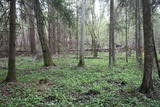 |
One of the rare places (see also Rucavas ivju audze) in Latvia where two rare and protected wild tree species grow - yew-tree and Baltic ivy. Territory is not marked on site with information signs or stands therefore it is hard for visitors to find. Not usable as tourism object.
|
|


