
| Нo | Название | Описание |
|---|---|---|
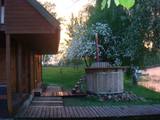 |
Хозяева усадьбы в теплое время года приглашают попробовать блюда, приготавливаемые на летней кухне (плов, яичницу, пироги). Для приготовления блюд используются различные овощи, выращиваемые на огороде, расположенном здесь же.
|
|
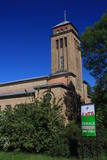 |
Храм возводился с 1937 по 1940 год, и его прототипом служила Каунасская церковь Воскресенья в Литве. Это однонефное здание, построенное в прямоугольной форме, характерной для архитектурного функционализма. Внутри находится большой деревянный алтарь, кафедра и два боковых алтаря (изготовлены в начале 19 в.), которые в свое время украшали Рокишкисскую церковь. Из Рокишкисской церкви их перевезли по той причине, что в последней создавался новый интерьер. В 1997 году церкви вручен «Синий флаг» Европейского культурного наследия. Рядом с храмом находятся ворота старой католической церкви, построенные во второй половине 19 века из красного кирпича, и Парк селов. |
|
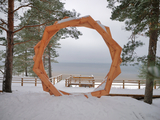 |
A new section of the walking trail along the sea has been built and an environmental object "Sunset watcher" has been created in Saulkrasti near the White Dune and Sunset Trail. It is a photo object where the newlyweds and every guest of Saulkrasti can capture memories in the symbol of the sun, which is so characteristic of Saulkrasti. |
|
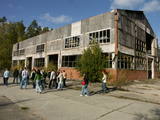 |
Один из впечатляющих бывших объектов армии СССР в Северном видземе с покинутыми зданиями, подземными бункерами, ракетными складами, с пусковыми площадками и др. элементами. Одно из тех мест в Латвии, где можно увидеть памятник Ленину. Высеченный из камня образ головы Ленина в советское время был установлен на центральной площади в Алуксне. Во времена Атмоды памятник демонтировали и перевезли на ракетно-ядерную базу. Осмотр территории следует проводить только в сопровождении гида.
|
|
 2 дня
|
This tour will give you an impression of the eastern part of Latvia, which is less populated and also less popular among tourists. You will first arrive in Aluksne and explore the town, which is located at Alūksne highland, on the shore of Lake Alūksne. It is worth visiting Temple Hill – an old Latgalian castle mound and the place of the old town, Sun bridge, and the Castle manor park, Alūksne Lutheran Church and the Bible Museum. After staying there overnight you will go by bus to the start point of the hike in Ape. This Forest Trail section winds through a hilly farmland landscape, then enters a large dark forest, occasionally interrupted by the blue surfaces of lakes. After Peļļi, it crosses the Latvian/Estonian border and winds along the shores of the lakes Smilšājs, Sūneklis and Ilgājs for 2 km on the Estonian side, known as Paganamaa (translation: Devil's Land). There it descends and enters the Korneti-Peļļi subglacial depression, one of the most impressive ravines in Latvia. The Forest Trail returns to Latvia at Lake Ilgājs and, after a steep climb, takes you through a hilly area to the Drusku castle mound. Here you can enjoy a beautiful view. At the end of this tour, you will reach Korneti. The section is located in the protected landscape area “Veclaicene”. |
|
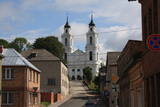 |
Первый католический костел на Храмовой горе в Лудзе был построен в 1687 году, однако он сгорел. В 1738 году в стиле барокко построили новый, который из-за роскошного интерьера считалась самым красивым деревянным храмом Латвии. Сгорел в 1938 году в большом городском пожаре. Строительство храма, который мы видим сейчас, было начато в 1939 году, а полностью закончено только в начале 90-х годов прошлого века. |
|
 |
В хозяйстве, что расположилось на берегу реки Рауна, разводят разные породы рыб. Зимнее предложение включает ловлю лососёвых, а летом предлагается рыбалка на осетра, сига, тилапию и форель. В «Силлакас» можно и купить рыбу. Для туристических групп проводится дегустация рыбы. «Силлакас» находится примерно в 3 км от «Лиепасмуйжас». |
|
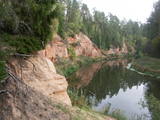 |
The Neļķes cliffs are in Skaņākalns Park, and they offer the most beautiful view of the Salaka River valley, with its sandstone cliffs and peaceful river. There are good views from the “devil’s pulpit.” It’s worth visiting the Skaņamkalns Hill to check out the views from the famous echo cliff. This is part of the ZBR.
|
|
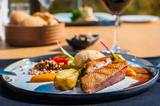 |
Ресторан находится в первой в Латвии пятизвездочной гостинице, расположенной за чертой города, в красивом месте с историей и будущим ‒ в Аматциемсе. При приготовлении блюд повара используют местные, выращенные натуральным способом продукты, и подают их в современной интерпретации, делая акцент на вкусе и качестве. |
|
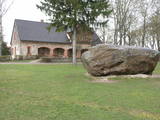 |
Расположен в Лиелвардском парке, в построенном в начале XIX века амбаре господской усадьбы . Музей размещается в здании с 1970 года, и в его запасниках собраны материалы об эпосе латышского народа «Лачплесис» и его авторе Андрее Пумпуре (1841 – 1902), а также об истории и этнографии Лиелвардского края. Рядом с музеем находится огромный камень – ложе Лачплесиса (около 80 т) и обломок – одеяло Лачплесиса. В свое время оба камня находились в Даугаве, рядом с Лиелвардским островом, где теперь волнуются воды Кегумской ГЭС. Здесь же можно осмотреть деревянный кряж Спидалы. |
|
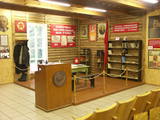 |
Das einzige Museum solches Maßstabs unter freiem Himmel im Baltikum. Gegründet in 1999. Die Ausstellungsobjekte einbezogen die monumentalen Denkmäler spiegeln die sowjetische Ideologie wieder. Ein Minizoo. |
|
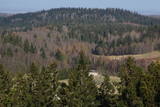 |
This park was set up to protect the landscape and cultural environment of the Haanja highland. At the central part of the park are the two highest hills in the Baltic States – Suur Munamägi, which stands 318 m above sea level, and Vällamägi, which is 304 m above sea level. The ancient Rõuge River valley (Rõuge ürgorg) is found in the western part of the park. It is 7.5 km long and up to 60 m deep. The valley dates back to the Ice Age, and it has seven lakes, including the deepest one (38 m) in Estonia – Lake Rõuge Suurjärv.
|
|
 |
Корчма находится в центре Вецумниеков. В интерьере использованы исторические предметы быта. На живом огне готовится завтрак, обед и ужин в атмосфере старинных времен, используя книги бабушкиных рецептов. Сладкие блюда готовят из натурального сырья. Латышская кухня: Свиная рулька с кислой капустой. Особое блюдо: Сделанные своими руками пирожки с домашним копченым мясом. |
|
 |
Baltijā lielākā keramikas fabrika. Tūristu grupām piedāvā ekskursiju pa ražotni. Blakus atrodas veikals, kurā var iegādāties keramikas izstrādājumus – gan praktiskas lietas, gan interjera priekšmetus un suvenīrus. |
|
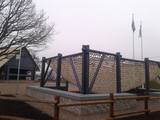 |
Meklējama Tārgales ciema centrā. 2018. g. nogalē atklāta Lībiešu zvejnieku sēta ar dzīvojamo māju, kurā ir saimes galds un soli, kūti, tīklu žāvētavu un mākslīgi radīts kāpas fragments. Sēta veidota kā atklāta tipa objekts un to var apmeklēt jebkurā laikā. Apkaimē saglabātas vietējās koku sugas. |
|
 |
Находится в центре Вецстамериены, в 0,2 км к югу от Стамериенского замка. Обустроена в одном из исторических зданий господской усадьбы Стамериена со старинным интерьером. Латышская кухня: Холодный суп, свиной карбонад, тонкие блины. |
|
 |
„Zaļmuiža” (Green Manor) is notable because of its legendary past. The protector of peasants and poet Peter
Miglinīks (1850 – 1883) worked there as a clerk in the beginning of the 19th century. In 1784, the building belonged
to Frederick von Korf. The manor was bought by officer of Russian army Nikolaj Paulin von Rosenschild. Once
the manor had a large farm (800 ha): several cattle-sheds, fruit and wine cellars, alcohol brewery. Now there in
only a manor house and a barn. Till 1960s, the manor house was the centre of kolkhoz „Liesma”, later the club.
Now there is a smithy of a craftsman Jānis Ļubka. Guests are welcome to watch and try the metal processing.
|
|
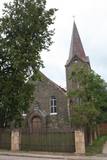 |
Atrodas Raiņa ielā 18. Baznīca celta 1911. - 1912. g. pēc Stukmaņu muižas nomnieka barona R. Noldes iniciatīvas. 1. pasaules karā cietušo baznīcu atjaunoja un no jauna iesvētīja 1921. g. Baznīcā apskatāma altārglezna “Kristus augšāmcelšanās”. Dievnams tāpat kā daudzas citas pilsētas ēkas ir būvētas no apkaimē sastopamā izejmateriāla – dolomīta. Interesanti, ka tornis būvēts ēkas vienā malā – asimetriski. |
|
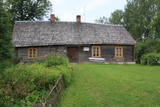 |
In dem Haus Riekstiņi in Nereta hat der bekannte lettische Schriftsteller und Maler Jānis Jaunsudrabiņš (1877 - 1962) sechs Jahre seiner Kindheit verbracht. Jānis Jaunsudrabiņš wurde in einer Dienerfamilie in dem Haus Krodziņi geboren, aber in das Haus Riekstiņi ist er mit seiner Mutter nach dem Tod seines Vaters umgezogen. Die in dem Haus Riekstiņi wohnenden Menschen wurden zu Prototypen in seinem Buch Das weiße Buch (Baltā grāmata), wo dieses Haus das unsere Haus genannt wird. Zu Ehren von Jānis Jaunsudrabiņš wurde im Jahr 1967 in dem Haus Riekstiņi ein Museum eingerichtet, das sich auf einem authentischen Einzelgehöft der Region Sēlija befindet, das seinen eigenen Geist und eigenen Duft hat. Hier kann man das Wohnhaus, eine Kornkammer und einen Wagenschuppen besichtigen. Das Haus Riekstiņi ist ein Muss bei der Besichtigung der historischen Region Sēlija. Auf dem unweit gelegenen Friedhof von Ķiški (an der Straße Vecumnieki – Ilūkste) ist Jānis Jaunsudrabiņš umbestattet und die Angehörigen seiner Familie bestattet worden. |
|
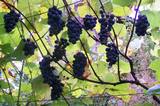 |
The visitors are offered the excursion around the wine garden and the story about different sorts of grapes and the secrets of wine-making. During the excursion the vistiors can learn about the traditions of growing grapes in Latvia, to see and taste the newest tendencies of grape selectioning,as well as receive advice on growing and tending grapes. It is also possible to try home-made wines and buy grapes saplings. |
|


