
| Nr | Name | Beschreibung |
|---|---|---|
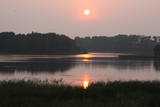 |
Also known as Lake Jēsis or Lake Iesis, this is the lake in Latvia which has the largest number of islands. Many literary sources and encyclopaedias in the 20th century claimed that there were 69 islands in the lake, but that was an exaggeration, because apparently the authors took sandbars overgrown with reeds and other plants to be islands. The true number is approximately two times lesser. The largest number of islands can be found in the north-eastern part of the lake. The largest one is Lielā Lāča (Big Bear) Island (45 ha). A farm was on the island at one time. The islands and the oak trees that are on the shores of the lake – the Piļoru and Pahatnīku stands of trees – are in a restricted environmental reserve. |
|
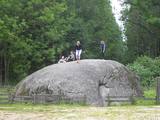 |
Dieses Territorium wurde eingerichtet, um die verschiedenen Arten seltener Schmetterlinge zu schützen. Ein beliebtes touristisches Ziel in den Nīcgaļe-Wäldern ist der große Felsen von Nīcgaļe, der größte Felsen in Lettland – ein geologisches und geo-morphologisches Naturdenkmal. Der Felsen hat einen Umfang von 31,1 m und ist 3,5 m hoch, 10,5 m lang und 10,4 m breit mit einer Gesamtgröße von 170 m3.
|
|
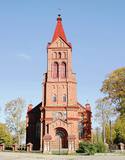 |
St. John the Baptist Roman Catholic Church of Ciskādi was built approximately in 1990. The brick building is an example of Romanesque style.
The church has a specific icon called „Madonna and the child”, crucifix and the
organ.
|
|
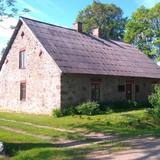 |
Operdziedātāja Jāņa Zābera muzejs "Vecais ceplis" atklāts 1973. gada 11. augustā - dziedātāja dzimšanas dienā - viņa dzimtajās mājās. Muzejā apskatāmas fotogrāfijas no viņa dzīves gājuma, afišas un operu tērpi. Tāpat pieejami dziesmu un operu āriju ieraksti mākslinieka izpildījumā. Muzeju pārzina Jāņa Zābera brāļa meita ar ģimeni. To ir iespējams apmeklēt, iepriekš saskaņojot laikus.
|
|
 |
Located in one of the most untouched corners of northern Latgale. Already from the spring they offer worker bee and later both, young and producing bee, propolis and wax mixture candles, pollen bread and propolis in butter. The workshop produces bee hives and other apiary equipment. |
|
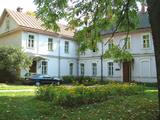 |
Veitko Manor was built in 1832. From 1993, there are hostels of
Latgale Craft School.
|
|
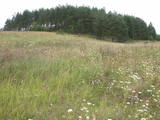 |
This partly forested hillock stands 40 metres above the surrounding area and offers impressive views. The fact that this was once a castle hill is attested by the presence of a moat and remnants of defensive fortifications. It is thought that Lettigalian tribes settled here in the 10th century AD. You can climb the hillock to take a look at the surrounding landscapes. |
|
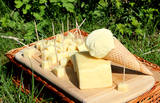 |
Ein Cafe auf der Sommerterrasse, befindet sich auf dem Strandgelände des Parks von Preili. Das Cafe bietet ein 100% natürliches hausgemachtes Eis mit Beeren an. Vor Ort werden frische Pfankucken "Pampūkas" gebacken. Das Strandcafe ist nur vom Mutterstag (der 8. Mai) bis zum Vatterstag (der 11. September) geöffnet. Für die Touristengruppen – Exkursionen und Verkostung vom Käseeis. |
|
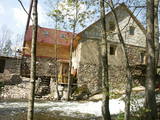 |
The Narūta River which flows out of Lake Ežezers is approximately 1 km long and ends at the small Obiteļi windmill lake. On the right bank of the river is a windmill that was built around 1900. Today the site has the Obiteļa leisure centre with a sauna and banquet facilities. |
|
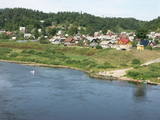 |
Eine alte, von den Letgallen bewohnte Ortschaft. Im 10. Jh. gelang der Kreis von Krāslava in den Händen der Fürsten von Polock, aber im 13. Jh. – in den Händen des Livländischen Ordens. Bis zum Anfang des 18. Jhs. bestand Krāslava als das Zentrum des Landgutes. Im Jahr 1729 hat Johann Ludwig Plater Krāslava für 1400 Taler gekauft. Die Familie Plater hat in Krāslava zwei Jahrhunderte geherrscht. In der Mitte des 18. Jhs. hat die Familie mit dem Bau des Schlosses begonnen. Nach der ersten Polnischen Teilung im Jahr 1772 wurde die Region Latgale an Russland angeschlossen. Krāslava begann zu verkümmern. Nach dem Bau der Eisenbahn Riga – Daugavpils – Witebsk (1865) blühte das wirtschaftliche Leben der Stadt wieder auf. Krāslava wurde wenig von den Ereignissen des Zweiten Weltkriegs betroffen, darum hat sich die Holzbebauung der Stadt aus dem Anfang des 20. Jhs. fast unberührt erhalten. |
|
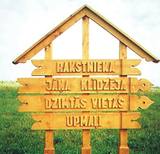 |
„Upmaļi” is the family house of writer Janis Klīdzējs who has written 8 novels, 11 storybooks, 2 essay books
and reflections about Latgalian catholic-Latvian mentality. Janis Streičs (famous Latvian film director) shot a film
based on the novel of Janis Klīdzējs called „The Child of a Man”.
|
|
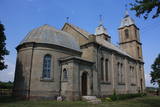 |
Atrodas nomaļā vietā, 0,7 km no Daugavpils – Krāslavas (A 6) ceļa, Daugavas virzienā. Dievnams celts 1933. – 1938. gadā koka kapelas vietā pēc Prāvesta Vaclava Kozlovska projekta, kurš pats arī vadījis celtniecības darbus. Dievnams celts no lieliem cementa ķieģeļiem. Tā lielajā altārī novietota Svētā Antona glezna, bet sānu altārī – Jaunavas Marijas statuja. Gan glezna, gan statuja ir pārvesta no Izvaltas baznīcas. Ikdienā baznīca apskatāma no ārpuses. |
|
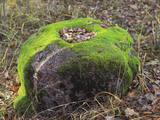 |
Zīleņu Sacrificial Boulder.You will find it on Zelenpole Golden hill beside the escarpment. The boulder
has an annular curvy. It was an ancient Latgalian cult place where people sacrificed to Gods, released themselves
from the bad things and took a positive energy.
|
|
 |
Mākoņkalna pagasta "Itkaču mājās" ir iespēja ieturēt maltīti- plānās pankūkas ar dažādiem pildījumiem, kartupeļu pankūkas, dārzeņu sautējumu. Iespēja apciemot trušus, pabarot tos ,paglāstīt un paturēt sev klēpī. Pieejami saimnieku veidoti suvenīri. |
|
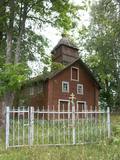 |
This small wooden church with fragments of a metal gate is on the side of the road in the village of Ruduški. It is not open to visitors on a daily basis. |
|
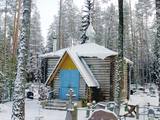 |
All Saints Orthodox Church of Malta (Rozentova) was built in
1928. It is the wooden log building with double window frames and a
dome. Facades are decorated with the motive of the sun.
|
|
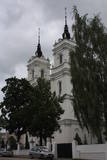 |
Der höchste Punkt im Südteil von Daugavpils – in der Umgebung der 18. Novembra Straße, wo auf einem relativ kleinen Territorium, im Umkreise von ~ 0,3 km sich die Kirchen von vier Konfessionen befinden: das Bethaus für Altgläubige in Daugavpils (1908 – 1928), die St. Boris und Gleb russisch-orthodoxe Kathedrale (1905), die römisch-katholische Kirche der Heiligsten Gottesmutter (1905) und die evangelisch-lutherische Kirche Martin Luthers (1893). |
|
 |
Andrupenes dabas takā var iepazīt sūnas, pārliecināties par sfagnu lielo ūdens uzsūkšanas spēju, gar laipas malām ieraudzīt apaļlapu raseni un purva dzērveni, apskatīt spilves, vaivariņus un purva vārnkāju, kā arī purva pasauli. Takas garums ~ 750m.
|
|
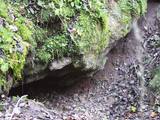 |
The castle hill of Rasnupļi (Opiņķi) is a significant place on the foot of the hill inhabited by ancient Latgalians.
You will notice Velna ala (Devil’s cave) also called small Staburags of Latgale (ancient cult place)
in the right side of the Vīce river. It is a small natural geologically unique formation (length – 3m, width –
2m, high – 0,6m). There are only two such caves in Latvia. There are 5 – 6 m long stalactites.
|
|
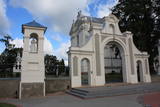 |
Das beindruckende Denkmal des lettgalischen Barocks. Gebaut in der Periode von 1755 bis 1767 nach dem Projekt des italienischen Architekten A. Parako. Eine Kapelle mit der Reliquie vom St. Donatus, dem Beschützer von Krāslava. |
|


