
| No | Name | Description |
|---|---|---|
 1 day
|
The Baltic Coastal Hiking Route leads around the Pakri Peninsula, from whose rocky shores you will discover the most beautiful coastal landscapes in northwest Estonia. It goes through the centre of Paldiski and, after having reached the fortress bastions of Peter I, it turns towards the Pakri Lighthouse going across the upper part of the impressive Pakri Cliffs. Further on up to Kersalu, there are both ups in the shape of rocks and downs where the Baltic Coastal Hiking Route meanders along a sandy and rocky seacoast and a beautiful pine forest. |
|
 |
The farm grows apples, pears and medicinal plants such as peppermint, marigold, etc. The owners also collect wild medicinal plants. An interesting tour is available, and you can purchase products at the farm or at the Latvian Eco Product Store at Barona Street 45-47 in Rīga. |
|
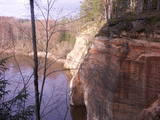 |
The viewing area on the Ērgļi (Ērģeles) cliffs offers an impressive view of Latvia’s most monolith sandstone cliffs (up to 22 metres high) – this is the highest location in the Gauja River valley. Please be very careful and don’t go anywhere near the edge of the cliff!
|
|
 |
Atrodas pilsētas centrā – Tukuma ledus halles ēkas otrajā stāvā. Piedāvā maltītes visām ēdienreizēm, klāj galdus pasākumiem, īrē telpas dažādiem pasākumiem. |
|
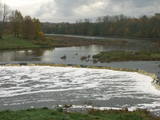 |
The recently renovated old brick bridge and the viewing area that is on the left bank of the Venta beyond the castle guard’s hut offers a lovely view of the widest and most impressive waterfall in Latvia – the Venta falls. It is worth visiting during the spring floods, when fish are migrating.
|
|
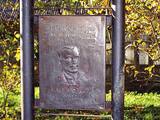 |
The Museum of Dekšāri was opened in 1996. Exposition includes
materials about the history of the rural municipality, school and collective
farms, biography of prominent people who contributed to the area, also the collection of Latgalian
literature.
Working hours: Mon– Fri : 10.00 – 14.00, Sat., Sunday : closed |
|
 |
The mouth of the most beautiful river of Vidzeme. On the seashore between the mouths of River Gauja and River Daugava, one of the largest dune ranges in Latvia with distinctive parabolic dunes overgrown with forest (wooded dunes) is situated. The Mouth of River Gauja is unique as it is one of the few major rivers in Latvia and in EU countries to flow into the sea naturally. There is no harbour or other hydro-engineering construction. It is a popular recreation area in the vicinity of Riga and Saulkrasti while, unfortunately, the lack of infrastructure makes it suffer from anthropogenic load. Not far from the rivermouth, hidden in dunes, there are pillboxes which were built in 1920 or 30ies as anti-airborne barriers. There was a whole range of them along the coastline from the mouth of the River Lielupe to the mouth of the River Gauja forming a part of the Daugavgrīva Fortress fortifications. The pillbox is made of concrete, ca 1.5m thick. Every year, on the 3rd Sunday in August, a lamprey festival takes place in Carnikava town by the Gauja rivermouth. Carnikava is called the Lamprey Capital as it is famous for its lamprey fishing tradition and generous catches. The Mouth of the River Gauja is a good bird-watching area, especially in spring and autumn when one can observe the highest variety of species. Just few of the many bird species that can be observed near the Gauja rivermouth |
|
 |
Ein Stegpfad führt zu den Schwefelquellen im Hexenmoor (Raganu purvs), wo sich in Moorseen Sedimente aus Schwefelbakterien und eine besondere Artenvielfalt ausgebildet haben - die so genannten Schwefelteiche. Eine besondere Landschaft und der Duft von schwefeligem Wasserstoff.
|
|
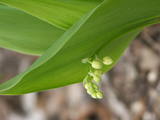 |
Ein außergewöhnlicher Pfad, auf dem die Besucher sich ganz “normale” Dinge ansehen können, wie Eichen, Linden, Haselnusssträucher, Tannen, Kiefern und andere Baumarten. Die Besucher können Einblicke in das kulturelle Erbe Lettlands gewinnen. Der Pfad beginnt am Felsen Zvārtes.
|
|
 |
Diese Bar befindet sich am Anfang der Fußgänger- und Radfahrerstraße von Kuldiga, in einem architektonisch interessanten zweistöckigen Gebäude aus Holz, das früher eine Kornkammer war. Lettische Küche: Bauernfrühstück, Haferflockenbrei, kalte Kefirsuppe, Ampfer-, Gurken- und Bohnensuppe, Rindfleisch in Zwiebelsoße, Jägerwürstchen, Kartoffelpfannkuchen, süße Pfannkuchen mit einer Preiselbeersoße. |
|
 3 Tagen
|
Während dieser dreitägigen Tour werden Sie eine der ungewöhnlichsten Landschaften des Baltikums die Kurische Nehrung kennenlernen. Sie werden auch interessante Gebiete in Lettland, den Naturpark vom Pape-See und den ehemaligen Militärhafen von Liepāja besuchen. Solange der Kriegshafen noch seinen „sowjetischen Charm" hat, lohnt sich der Besuch des Hafens auf jeden Fall. Neue und unvergessliche Eindrücke hinterlassen werden zwei einzigartige Objekte, die "Absurde Stadt" und die "Stadt der Steine". Sie wurden vom Menschen geschaffen und sind nicht nur in baltischen Ländern, sondern auch in grösserem Maßstab einmalig. |
|
|
|
The craftsmen's association unites 65 craftsmen from Rūjiena and its surroundings. Offers baking, jam cooking, cheese tying, jewelry making, leather goods, crochet and culinary master classes. Also offers "Made in Rūjiena" tastings (bread, smoked products, culinary products, jams, fresh juices, pumpkin products, seasonal berries and fruits, other dishes in each season) and shopping. |
|
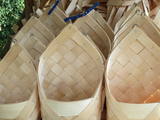 |
The workshop manufactures household products such as benches, tables, hangers, kitchen equipment, sauna barrels, other barrels, outstanding souvenirs of wood, etc. You can commission or buy the products, and tours are also available. |
|
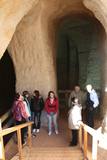 |
The area of the ancient Piusa River valley that is between the villages of Vana-Vastseliina and Ignasõ is around 15 km long, features some substantial rapids, and offers a view of beautiful Devonian period cliffs. The largest, Härma müür, is 43 metres high and is the highest sandstone cliff in Estonia. There are caves from old mines in the village of Piusa. A small part of the mines, which have tunnels that are more than 10 km long in all, has been tured into a local museum.
|
|
 |
Meklējams pie Pāvilostas tilta pār Saku (Meža iela). Te apskatāms 2005. g. restaurētais un uz postamentiem novietotais Pāvilostas zvejnieku kuģis, ar kādu tie zvejoja pagājušā gadsimta 50. – 60. gados. Šāda tipa kuģus būvēja Vācijas Demokrātiskajā republikā. |
|
 |
Pajumäe ist ein kleiner, netter biologischer Betrieb, der sich im grünen Mulgimaa befindet und verschiedene Milchprodukte herstellt. Sie könne alle Schritte der Milcherzeugung anschauen – von den Kühen auf den Weiden bis zur Verarbeitung in der Molkerei. |
|
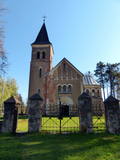 |
Die heutige – die dritte – Kirche wurde im Jahr 1906 auf der Initiative und aus der zur Verfügung gestellten Finanzierung von Gotthard von Budberg gebaut. Er hat das Gotteshaus seiner verstorbenen Frau Gertrude Vorsa gewidmet. In der Kirche ist eine Orgel der Firma Walker aufgestellt, die im Jahr 1906 in Ludwigsburg (in Süddeutschland) hergestellt worden ist. Im Jahr 1992 wurde in der Kirche eine Gedenktafel an die repressierten Einwohner von Gārsene enthüllt. Auf dem Friedhof, der sich 100 Meter südlich von der Kirche befindet, kann man die mit Erzählungen umwobene Gruft der Baron-Familie Budberg und nebenan auch den Friedhof der Familie besichtigen. Die Kirche kann man auch von innen besichtigen. |
|
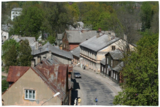 |
Valdemārpils ist ein kleines und leises Städtchen am Ufer des langen Sasmaka-Sees. Schon am Anfang des 17. Jahrhunderts entstand auf dem Boden des Landguts von Sasmaka eine Siedlung der Handwerker und Kaufleute. In der Mitte des 19. Jahrhunderts wohnten in den Städten von Kurland viele jüdische Kaufleute und Handwerker, deswegen nannte man damals Sasmaka die jüdische Hauptstadt. 1926 wurde die Stadt in Valdemārpils umbenannt. Das historische Zentrum der Stadt mit der Bebauung des 19. Jahrhunderts ist ein städtebauliches Denkmal. In Valdemārpils sind die lutherische und orthodoxe Kirchen, die ehemalige Synagoge, ein Denkmal für K. Valdemārs, sowie die großartige Elku-Linde zu besichtigen. |
|
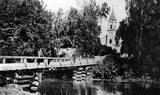 |
On the right bank of the River Pēterupe is one of the historical areas of Saulkrasti – Pēterupe Village. It is believed that the village began to form around a chapel during the so-called Swedish or Catholic times. The chapel was named after the Apostle St. Peter, and therefore the river and the village also carries his name. Pēterupe Village can be considered the oldest village in the Saulkrasti region. The oldest witnesses of the origin of Pēterupe Village are: Rectory, Pēterupe Evangelical Lutheran Church, Outpatient Clinic and the wooden buildings in the old village centre. |
|
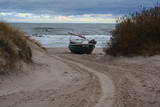 |
Ceļa, kas ved uz jūru – galā, redzami Latvijas piekrastei samērā reti skati. Ja palaimējas, šeit var novērot vietējos zvejniekus darbībā, kas joprojām iet zvejā. Krasta kāpās aplūkojamas vecas, pamestas un arī sagrieztas zvejas liellaivas un dažādi mūsdienu zvejniecībā izmantojami „darba rīki”. |
|


