
| Nr | Name | Beschreibung |
|---|---|---|
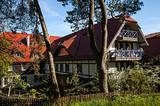 |
Das Villahotel "Jelita" befindet sich im Zentrum der Altstadt von Nida. Die Zimmer sind im antiken Stil eingerichtet. Im Grundgeschoss befindet sich ein Café, wo sie köstliche Gerichte und Getränke genießen können.
|
|
 |
A small wooden cottage on 2 floors, near Tallinn, in the village of Laagri. On the ground floor there is a living room with fireplace, small bedroom, kitchen corner. On the second floor there is an open bedroom. Ideal for 2 people but maximum stay for up to 5 people. The house has a nice garden, a place for relaxation and a picnic outside with garden furniture. |
|
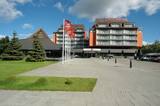 |
Ein modernes Hotel mit SPA-Zentrum in Palanga, nicht weit vom Meer. 3 km bis zum Stadtzentrum.
|
|
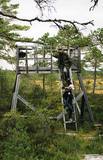 |
Das Territorium wurde eingerichtet, um den Sumpf, einen sumpfigen Wald und eine Reihe seltener Vögel zu schützen. Der Sumpf Niedrāji-Pilka kann mit trockenen Füßen durchquert werden, während man die fast unberührte Natur genießt. Das ist vom Damm der Schmalspurbahn, die für drei oder vier Kilometer vom Nordosten zum Südwesten des Sumpfes führt, möglich oder zu Fuß auf dem gut markierten Rundweg auf dem östlichen Teil des Damms.
|
|
 |
Territory is not attractive for a visitor without environmental knowledge and is very hard to find and reach through swampy forests on the North from Riva village. Area is not intended and appropriate for visits.
|
|
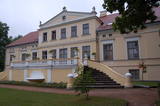 |
Das Wohnhaus des Landgutes ist im 19. Jh. gebaut worden. Im Jahr 1932 hat das damals vernachlässigte Landgut der lettische Zeitungskönig Antons Benjamiņš gekauft. Heute befindet sich das Landgut wieder im Besitz der Familie Benjamiņš und dort ist eine private Fotoausstellung über die Reisen und das Leben von Antons Benjamiņš eingerichtet. |
|
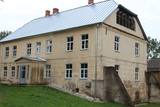 |
Muižas dzīvojamā ēka līdz mūsdienām nav saglabājusies. Šodien Dvietes muižas parkā ir apskatāmas muižas pārvaldnieka māja un trīs mūra saimniecības ēkas. 19. gs. veidots ainavu parks ar laukakmeņu mūrējuma tiltu. Parkā atrodas Dvietes muižas ēkas. |
|
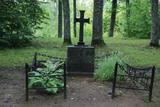 |
To the North of the Cesvaine Castle is a park that is crossed by the rapidly flowing Sūla River. The Cesvaine castle hill is on the northern bank of the river, is around 15 m high and is covered by trees today. The grave of the owner of the castle, Adolf von Wolff, is there. It is said that he wanted to have his casket dragged to the gravesite on a sled. He died during the summer, but that was done anyway. The park features a wide diversity of trees and bushes, some of which the owner brought home from his extensive travels. |
|
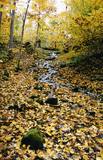 |
Die Kalkschlucht, die enstand, als sich der Baltische Eissee zurückzog wird von einem mächtigen Strom durchzogen – dem Mežmuiža. Sein Wasser enthält eine hohe Konzentration an Kalkstein. Das Wasser des Flusses fliesst in einen Mühlteich, der eine sehr interessante Farbe hat. Der Bildhauer Teodors Zaļkalns hat hier einst in der Kalksintermühle gelebt, die neben dem Teich steht. Waldpfade wurden für Besucher des Stromes eingerichtet.
|
|
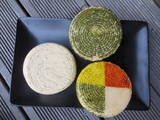 |
Die Molkerei von Talsi wurde 1922 bei dem Zusammenschluss einiger anderen Molkereien gegründet. Später entstand auf dieser Basis die “Talsu piensaimnieks” AG. Eins der bekanntesten Produkte des Betriebs ist der Käse "Talsu ritulis" (der Käselaib von Talsi). Die Produktion von der “Talsu piensaimnieks” AG – Milch, Kefir, Quark, Butter, Käse u.a. kann man in einem zum Betrieb nahegelegenen Geschäft „Piena sēta” kaufen. |
|
 |
Atrodas Ventspils Rātslaukuma rietumu pusē iepretim Nikolaja luterāņu baznīcai. Ēkas pirmsākumi ir meklējami 18. gs. 1850. g. tajā atradās pilsētas Rātsnams, kopš 2006. g. - rakstnieku un tulkotāju māja, kurā patstāvīgi uzturas un strādā Latvijas un ārvalstu literāti. |
|
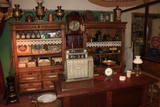 |
Atrodas Bauskas centrā, Kalna iela 6. Muzeja piedāvājumā ir ekspozīcija „Bauska laikā un cilvēki Bauskā 20 gs., pastaiga un atraktīvs piedzīvojums”. |
|
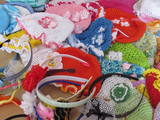 |
The Crafts Chest store offers crafts produced by women in Sabile – knit and crocheted mittens, stockings, hats, shawls, and other useful items that will be wonderful gifts and souvenirs. |
|
 |
Zemnieku saimniecība "Mežnoras" Raunā izveidota 1993.gadā. Saimnieki Aivars, Ārija un Līga Urbasti šobrīd audzē 1,6 ha vasaras un rudens avenes, arī nelielās platībās zemenes uz lauka un segtās platībās, siltumnīcā. Zemenes no "Mežnorām" parasti pieejamas laikā no maija vidus līdz oktobra vidum. "Mežnorās " audzē vasaras avenes "Norna", rudens avenes "Babje ļeto", “Polana”, populāro zemeņu šķirni “Polka”. No savā dārzā audzētajām ogām (upenes, jāņogas, ķirši, zemenes u.c.) Aivars gatavo mājas vīnu: "Mežnoru vīns pilnībā sākās Mežnorās. Tas piedzimst nevis mucās, bet sākas mūsu zemeņu vai aveņu laukā, un tās ir daudz dziļākas saknes, kas atstāj pēdas arī garšā”. Saimniecībā audzētais pieejams uz vietas Raunā, gan arī Straupes Lauku labumu tirdziņā, Straupes Hanzas tirgū, arī sezonā - Cēsu tirgū. |
|
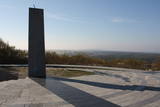 |
In der Umgebung von der 52 m hohen Parniddenen Düne sind die im 18. Jh. bei einem Holzeinschlag entstandene Wanderdünen zu sehen! Aussichtsplatz. |
|
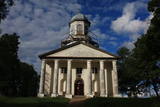 |
Tagadējais dievnams (iepriekšējie celti 1652. un 1776. g.) būvēts laikā no 1839. - 1842. g. Vidzemē pazīstamā lībiešu būvmeistara Mārča Sāruma (1799. –1859.) vadībā. Par prototipu tam izmantoja Pievolgas vācu koloniju baznīcu veidolu. Dievnama altārī atrodas Pītera Paula Rubensa gleznas “Kristus pie krusta” kopija (oriģināls – Minhenē), ko 1887. g. baznīcai uzdāvināja Nēķena muižas īpašniece. Baznīcas remonta laikā (1928. g.) atklāja piemiņas plāksnes 1. pasaules karā un Latvijas Brīvības cīņās kritušajiem. Blakus baznīcas atrodas viduslaiku kapsēta. Celtnes autors un būvdarbu virsuzraugs - H. fon Hagemeistars esot teicis, ka šis dievnams esot „vienīgā baznīca visā Vidzemē un varbūt arī pasaulē, kas uzcelta bez apreibināšanās”. |
|
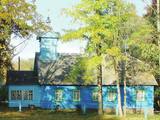 |
Štikāni Old-Believers Prayer House. The construction works of the church were held in 40s of the 20
th century on the site of the previous church built by brothers Rogozini. You should see Gospel (the protected
art object).
|
|
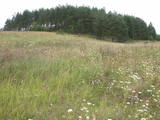 |
This partly forested hillock stands 40 metres above the surrounding area and offers impressive views. The fact that this was once a castle hill is attested by the presence of a moat and remnants of defensive fortifications. It is thought that Lettigalian tribes settled here in the 10th century AD. You can climb the hillock to take a look at the surrounding landscapes. |
|
 |
The castle diner is situated next to Koknese castle ruins. Either before or after boating, Nordic walking, visiting the castle ruins, enjoy tasty coffee, baked buns, snacks, french fries, grilled sausages, ice-cream or buy a soft drink to go with your sandwiches and to drink while sitting in the courtyard of the ancient castle and watching an amazing view of Perse and Daugava crossing. Upon special request we can also cook our very tasty Firesoup. |
|
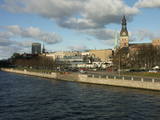 |
The classical skyline of Old Rīga can be enjoyed from several locations – Mūkusalas Street, between the railroad bridge and the stone bridge, from the stone bridge, from the A-B dam, from the grounds of the central office of the Swedbank bank, from the Vanšu bridge, and from the Ballast Dam at Ķīpsala. You can hike or bike from location to location. During the summer, little ships cruise up and down the Daugava to offer different views.
|
|


