
| Nr | Name | Beschreibung |
|---|---|---|
 |
Entstanden als eine 6 km entfernte Arbeiterstadt des schon geschlossenen Ignalina-Atomkraftwerks. In der Stadtbebauung dominieren die für die Sowjetzeit typischen architektonischen Formen und Monumentalbauten. |
|
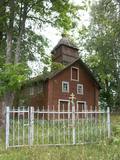 |
This small wooden church with fragments of a metal gate is on the side of the road in the village of Ruduški. It is not open to visitors on a daily basis. |
|
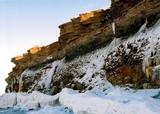 |
Die mächtigste Steilküste im Baltikum (bis zu 24 m hoch). In den kalten Winter werden hier phantastische Gletscherstürze entstanden. Pakri Leuchtturm. |
|
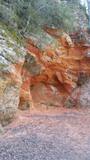 |
Sarkanās klintis savu vārdu ieguvušas pateicoties sarkanajiem iežiem. Tieši sarkanā ir mīlestības krāsa, tāpēc sarkanās klintis ir romatiska pastaigas vieta mīlniekiem. Smilšakmens klintīs redzamas plaisas, kas sašķeļ sarkanīgos iežus, radot neparastu dabas mākslas darbu. To virsma ir diezgan izrobota, kas veido klintīs nelielas alas un nišas. Sarkanajās klintīs ir arī daudz dažādu avotiņu. Pazīstamākais no tiem ir Rūcamavots. Tam ir šāds nosaukums, jo tas, nākot ārā no zemes, izdod nelielu rūkoņu. |
|
 |
Workshops und Hauscafés sind überall in Estland verbreitet, doch hauptsächlich sind sie in der Region Peipsimaa zu treffen. In den Workshops bereiten die Teilnehmer mit Hilfe des Kursleiters 3–4 Gerichte zu, die sie nachher gemeinsam miteinander genießen. Der Schwerpunkt liegt dabei auf örtlichen Produkten der Peipsimaa-Gegend und beliebten Rezepten. Die Workshops finden meistens draußen statt, es werden Feuer, Grill entzündet und Kochkessel und Samowar benutzt. Im Winter finden die Workshops sogar auf dem Eis des Peipussees statt. |
|
 |
By the beekeeping farm “Kalniņi” there is a Bee Hut – small wooden house in which you can feel the presence of bees. The hives with seven bee families are built-in the sides of the Bee Hut, but inside the building they are designed as beds or seats. When looking at the building from the outside you can see the bee runs and also bees themselves. In addition, “Kalniņi” also offer different types of bee products – honey, pollen bread, beautiful and aromatic wax candles. It is possible to taste beekeeping products and enjoy a cap of warm tea. Families with kids can participate in educational workshops, learn how to make wax candles and gain information about the daily life in the beekeeping farm. Since summer 2018 everyone can also visit the House of Crafts, where you can participate in different activities such as Encaustic painting (also known as hot wax painting), create wooden souvenirs with burnt folk signs as well as create wax candles etc. The House of Crafts offers different itineraries for grownups, kids, youngsters and newlyweds. There you can also purchase the offered products - various flower honey, pollen, pollen bread, propolis, cell honey and wax candles. |
|
 |
Das litauische Institut für Obst- und Gartenbau erhielt 1992 den Status eines staatlichen Wissenschaftsinstituts. Es ist nicht nur wissenschaftlich tätig, sondern auch als Züchter und Entwickler. Das Institut baut litauisches Obst und Gemüse an und erzeugt daraus hochwertige, gesunde und natürliche Produkte. |
|
 |
Atrodas ceļa, kas ved uz Miķeļtorņa bāku – līkuma malā. Unikālā ēka (vienīgais lībiešu ciemu krogs ar raksturīgo plānojumu, kas saglabājies līdz mūsdienām) šobrīd atrodas avārijas stāvoklī un apskatāma tikai no ārpuses. Pizes krogs celts 1853. gadā. |
|
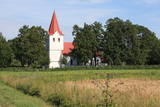 |
Wenn man auf der Straße Nereta – Ilūkste fährt, kann man das Gotteshaus schon von weitem sehen. Es ist im Jahr 1805 gebaut, aber im Jahr 1888 restauriert worden. In der Kirche haben sich der ursprüngliche Altar, die Kanzel und der Orgelprospekt erhalten. An der Kirche sind die im Ersten Weltkrieg gefallenen deutschen Soldaten bestattet worden. An der westlichen Gebäudewand befinden sich zwei Gedenktafeln, die zu Ehren der im Ersten Weltkrieg gefallenen Einwohner der Gemeinde Laši und der während der Sowjetzeit Repressierten enthüllt sind. |
|
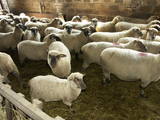 |
Auf den Feldern der Wirtschaft weiden mehr als 150 Schafe. Hier ist eine Station zur Mästung von Zuchtböcken gebaut worden. Hier werden Tierauktionen und Schaftage organisiert. Der Wirt leitet Führungen und bietet Zuchtschafe und Schafproduktion zum Verkauf. |
|
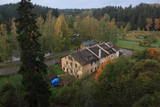 |
Die Papierfabrik von Līgatne ist das einzige noch arbeitende Unternehmen seiner Art in Lettland, aber ihr historisches Zentrum steht unter Denkmalschutz. Das Zentrum kann man unter der Leitung eines örtlichen Reiseleiters kennenlernen, der über das soziale Modell der Arbeiter und der Verwaltung der Fabrik am Ende des 19. Jhs. und am Anfang des 20. Jhs. erzählt, als hier für die Bedürfnisse der Fabrik Wohnhäuser, eine Schule, ein Entbindungshaus, ein, Krankenhaus, ein Club und andere Gebäude gebaut wurden, die sich bis heute gut erhalten haben. |
|
 |
In der gut geführten Gärtnerei, die über 3000 Arten, Formen und Sorten von Pflanzen hat, werden Führungen angeboten. Eine Besonderheit ist das breite Angebot an Wasserpflanzen. Neben dem Verkauf der Pflanzen gibt es Beratungen zur Standortwahl und Pflege. |
|
 |
Šūpošanās ir veselīga nodarbošanās, šūpoles ir enerģijas uzkrāšanas avots. Kad dabā veidojas spēcīgs enerģijas maksimums, šūpojoties iespējams saņemt īpaši daudz. Šūpoles ļauj atrauties no zemes, kaut uz mirkli. Parka teritorijā ir brīvdabas pavarda vieta un pirts. Saimniece piedāvā profesionālus pirts rituālus un nakšņošanas iespējas. |
|
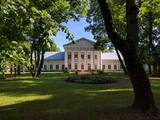 |
Das Gutshaus Salos und der Park befinden sich auf der Insel im See Dviragis, die aus der Luft eine gewisse Ähnlichkeit mit der Landkarte Litauens hat. Auf der Ostseite von dem Gutshaus befindet sich der Park, der einer der ältesten Parks in Litauen ist. Bereits unter der Herrschaft derer von Radvila befand sich hier ein Waldpark, in dem die Bäume nicht gefällt wurden. Im Park dominierten einheimische Laubbäume: Ahorn, Linde, Esche, Pappel, die mittlerweile ein Alter von 200 Jahren erreicht haben. Der zum See hinabgehende Weg verband die Alle mit dem Parkweg am See entlang. Heute sind noch Fragmente der Grünanlagen und der Allee erhalten. |
|
 |
Der Bauernhof Pärnamäe auf der Insel Kihnu hat bereits viermal die Auszeichnung des schönsten Hauses gewonnen. Die Gastgeberin bereitet hausgemachtes Essen, traditionelles Kihnu-Brot und geräucherte Fische zu, die man auf dem Kihnu-Hafenmarkt kaufen kann. Unterkunft wird in drei bequemen Sommerhäusern angeboten. Im Winter werden hier die einzigartigen Kihnu-Teppiche gewebt. |
|
 |
This farm breeds sheep, rabbits, horses, African ostriches and other fowl, as well as shitake mushrooms. You can order and buy mushrooms, souvenirs made of ostrich feathers, and other farm products. |
|
 |
The viewing tower is on the western part of the Blue Hills of Ogre, not far from the Dubkalni quarry. Paths lead to the tower, as does a wooden staircase. The viewing platform offers a very broad view of the Ķegums hydroelectric power plant reservoir and the towers of
|
|
 |
Das Café befindet sich am Rande der Straße Riga – Ventspils (A10). Im Sommer gibt es hier eine Außenterrasse. Lettische Küche: Salat aus Rindzunge, kalte Suppe, Brühe mit Fleischbällchen, Der Bauer, Schweinerippen, Kartoffelpfannkuchen, dünne Pfannkuchen, Himmelsbrei. Das besondere Gericht: Harcho-Suppe nach Geschmack des Cafés. |
|
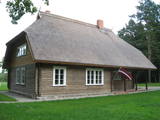 |
Das Museum „Airītes” befindet sich dort, wo der erste Oberste Befehlshaber der Streitkräfte der Republik Lettland Oskars Kalpaks und andere lettische Krieger (u.a. – drei Offiziere) am 6. März 1919 neben der Ortschaft Airītes auf dem Schlachtfeld fielen. Im Jahre 1920 hat man in Airītes durch gesammelte Spenden angefangen, ein Denkmal zu errichten, das am 3. September 1922 eröffnet wurde. 1935 hat man auf Initiative der Gemeinschaft “Das Oberst-Kalpaks-Bataillon” angefangen, ein Gebäude zu bauen, in dem ein Museum zu Ehren der Kämpfe des Kalpaks-Bataillons untergebracht sein müsste. Das Museum wurde ein Jahr später eröffnet. In der Sowjetzeit wurde die Gedenkstätte vernichtet, aber im Gebäude Post und Wohnungen eingerichtet. In der Zeit des Volkserwachens (1988 – 1989) wurde die Gedenkstätte erneuert, aber am 11. November 1990 das Oskars-Kalpaks-Museum neu eröffnet. 2007 verbrannte im Laufe der Renovierungsarbeiten der erste Stock des Gebäudes. Das Museum und die Exposition wurden 2013 erneuert. Die Ausstellungsgegenstände zeigen den Lebensweg von Oskars Kalpaks und die Teilnahme von O. Kalpaks am Lettischen Unabhängigkeitskrieg und Ersten Weltkrieg. Die Museumsarbeiter organisieren regelmäßig Gedenkveranstaltungen und Veranstaltungen zum Lāčplēsis-Tag. |
|
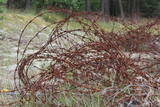 |
Station der Raketen zum Fliegerabwehr ist im weiten Territorium südlich von Pāvilosta gelegen. Ein verlassenes und degradiertes Naturterritorium, wo die Warnungszeichen "Gefährlich, lebensgefährlich!" aufgestellt sind.
|
|


