
| Нo | Название | Описание |
|---|---|---|
 6 дней
|
В этом туре вы сможете познакомиться с богатой комбинацией ареалов: заболоченными территориями, лесами и прибрежными территориями, во время, когда почти все виды птиц уже прилетели, а некоторые пролетающие сквозь территорию птицы еще остаются на ней, с возможностью наблюдать до 200 различных видов птиц. Наблюдение за птицами начинается в Национальном парке Гауя, с красивым покатым рельефом, а затем вы отправитесь на восточное побережье Рижского Залива и озера Буртниекс, где у вас будет возможность отправиться в ночной поход в пойму. Болото Седа с его зарослями тростника и поймами богато дикими животными. На следующий день будет поход на байдарках вдоль реки Гауя, где сможете понаблюдать за птицами с другой точки, а если повезет, увидите бобров и других диких преодставителей фауны. Затем через дубовую рощу отправитесь к озеру Лубанс. Его заболоченные территории и рыбные пруды образуют одно из главных мест наблюдения за птицами в стране. Местное блюдо — уха (рыбный суп) согреет вас. Это место также является одним из первых известных поселений каменного века на территории Латвии. На пути обратно в Ригу сделаем остановку в сосновом лесу Гаркалне. |
|
 |
Замковая корчма «Черный поросёнок» - настоящая корчма средневековья в стенах Вентспилсского замка Ливонского ордена, вдоль которых несет свои воды река Вента. Корчма создавалась в соответствии со всем ансамблем замка, в котором расположился музей Вентспилса, но здесь отсутствует порядок, свойственный музею. Латышская кухня: Суп из баранины, жаркое из баранины, филе камбалы, жареная сельдь в масляной бумаге, домашние вина. |
|
 |
Сад на берегу реки Берзе называют как каменной сказкой, так и садом чудес. В сад помещены камни различных форм и размеров, жернова, верстовые и пограничные столбы. Каменную экспозицию дополняют декоративные растения и растительные композиции, о которых заботится хозяйка сада. |
|
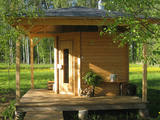 |
Sauna Museum is a private open-air museum founded in 2008. It is located 40 km from Riga by the Murjāņi - Saulkrasti road. The exhibition consists of six historic and one newly built sauna. They all work, but the hosts recommend to enjoy the black sauna. |
|
 1 Tag
|
Eines der bezauberndsten Strecken des Baltischen Küstenwanderweges im Nationalpark Matsalu. Sie führt durch landwirtschaftliche Nutzflächen und Küstenwiesen, auf denen sich im Herbst tausende von ziehenden Kranichen und Gänsen sammeln. Das Dorf Haeska (Küstenwiesen, wasserarme Buchten, kleine Inseln und Weiden) und die Umgebung des Puise-Kaps (Küstenwiesen mit Weiden und Sandbarren) sind ausgezeichnete Orte zur Vogelbeobachtung. Aus den Dörfern Põgari-Sassi und Puise nina heraus bietet sich malerischer Aussichten auf das Meer und die Inselketten. |
|
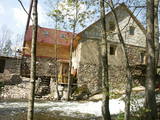 |
The Narūta River which flows out of Lake Ežezers is approximately 1 km long and ends at the small Obiteļi windmill lake. On the right bank of the river is a windmill that was built around 1900. Today the site has the Obiteļa leisure centre with a sauna and banquet facilities. |
|
 |
Das Restaurant befindet sich im Hotel Promenade Hotel, das in den historischen Hafendocks eingerichtet ist. Das Restaurant arbeitet mit Bauern und Fischern zusammen. An Wochenenden werden hier musikalische Veranstaltungen organisiert. Lettische Küche: Lammfleischsuppe, gebratenes Wels- oder Flunderfilet, nach einem traditionellen Fischerrezept vorbereiteter Kabeljau, dünne Pfannkuchen. Das besondere Gericht: Fang der Fischer mit gegrilltem Gemüse. |
|
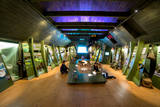 |
The Baltic Sea gave this territory one of the old names of Jūrkalne – Felixberg, and people still talk about the interesting legend that is the origin of the name. Several wrecked ships have been found in the Baltic Sea off the coast of Jūrkalne. An exhibition in the museum visualises the underwater world as the deck of a ship that has sunk into the depths of the sea. The exhibition focuses on the cultural and historical heritage of underwater Latvia, allowing visitors to learn all about the history of sailing ships, steamships and other objects that have been raised from the depths. Small children will start to learn about the underwater world, and researchers with broader knowledge will find something new here. |
|
 |
Noch eine von den Geschützbattereien der Küste Kurlands.
|
|
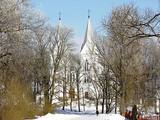 |
Holy Jesus Heart Roman Catholic Church of Bikova
(Gaigalava). Enjoy the Gothic forms and architectural design of the church. The church and the altar are
decorated with the icons of Zebedee sons – James and John (the apostles of Jesus) and other saints.
|
|
 |
Obwohl von den 104 Dorfhäusern im Ersten Weltkrieg 97 Häuser zerstört wurden, hat sich das Dorf Lapmežciems am Ende der 1930er Jahre schnell erholt, und da arbeitete eine der stärksten Fischergenossenschaften der lettischen Küste. Während der Sowjetzeit wurde hier eine der größten Fischerkolchosen Selga gegründet, deren Gebäude bei der Mündung des Flusses Siliņupe zu sehen sind. Heute ist Lapmežciems ein beliebter Sommerhäuserbezirk, Erholungs- und Badeort. Als ein interessantes Denkmal der Fischereigeschichte kann man hier die ehemalige Anlegestelle der Fischerboote von Lapmežciems besichtigen, wo die Fischer Netzhütten gebaut und ihre Werkzeuge aufbewahrt haben. Zwischen der Pīlādžu Straße und dem linken Ufer des Flusses Siliņupe befand sich vom 3. – 2. Jahrtausend v. Ch. eine Fischer- und Jägersiedlung, an deren Stelle ein Denkmal aufgestellt ist. Dieser Ort ist die älteste bekannte Siedlung auf dem Gebiet des Nationalparks von Ķemeri. Ein Teil der Funde kann man im Museum von Lapmežciems besichtigen, wo eine heimatkundliche Ausstellung eingerichtet und das Material über die Kämpfe der finnischen Jäger in der Umgebung von Klapkalnciems gesammelt worden ist. |
|
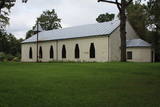 |
Jau pēc dievnama veidola var spriest, ka vēl ne tik sen – padomju laikos ēka bija izmantota citām vajadzībām. Pēc 2. pasaules kara to atsavināja draudzei, bet torni – uzspridzināja, dievnamā ierīkojot noliktavu. 20. gs. deviņdesmitajos gados draudze uzsāka baznīcas atjaunotni un tagad tā kalpo savam pamatmērķim. |
|
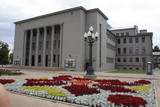 |
Found at Rīgas Street 22A, this impressive building was suggested by Latvian President Kārlis Ulmanis and built in 1936 and 1937 after a design by the architect Verners Vitands. It is seen as one of the most outstanding architectural monuments from the first period of Latvian independence, and it is said that it was once the most modern multifunctional building in all of Europe. The building now houses the Daugavpils Theatre, the Latgale Central Library, the Latvian Cultural Centre, the Latvian House, the US Information Centre, the Daugavpils Tourism Information Centre and other institutions. Unity Square is alongside the building, and beautiful compositions of flowers are nearby during the growing season. |
|
 |
Atrodas Rendā, pie tilta pār Abavu. Mazs, jauks krodziņš, kas atrodas vēsturiskā ēkā ar patīkamu interjeru. Piemērota maltītes ieturēšanas vieta ne tikai tiem, kas pārvietojas pa ceļu, bet arī Abavas laivotājiem. Strādā g.k. vasaras sezonā. |
|
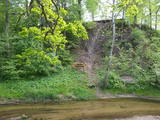 |
No Vilces muižas pa pastaigu taku var aiziet līdz pilskalnam (12 m virs apkārtnes, labiekārtots), kas atrodas Vilces un Rukūzes upīšu satekā. Atradumi liecina, ka cilvēku apmetne šeit ir pastāvējusi jau vidējā dzelzs laikmetā. Pilskalna piekājē atrodas atpūtai labiekārtotā Zaķu pļava. Nostāsti vēsta, ka Vilces grava bijusi laupītāja Kaupēna slēpšanās vieta. |
|
|
|
Die größte Bernsteinausstellung im Baltikum (seit 1963) mit Bernsteineinschlüssen. Ist die Bedeutung des Bernsteins in der Geschichte des baltischen Völkern wiedergespiegelt. Das Museum ist in einem dem Grafen Tyszkiewicz (1865 – 1932) gehörteten Schloss (gebaut 1897) eingerichtet. |
|
 |
Das Restaurant „Kest" ist wie eine gastronomische Reise. Aus dem Wunsch nach gastronomischen Entdeckungen bereitet Küchenchef Māris Jansons seit mehr als zwei Jahrzehnten verschiedene Mahlzeiten zu. |
|
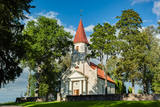 |
Pastāv uzskats, ka tieši Rubenē izveidojusies pirmā latviešu draudze. Baznīcas altārdaļa būvēta jau 14.gs., bet pati baznīca savu pašreizējo izskatu ieguvusi 1739. gadā.Būtiska baznīcas interjera sastāvdaļa ir Ķieģeļu muižas mantinieces Barbaras Helēnas fon Budbergas 1762. gadā dāvinātais kroņlukturis ar Krievijas impērijas divgalvaino ērgli un zaru ornamentiem uz bumbas. Baznīcā redzama arī zīme (1869. g.), kas ir veltīta pusgadsimtam kopš dzimtbūšanas atcelšanas. Pastāv vairākas teikas par Rubenes baznīcas nosaukuma rašanos. Viena no tām vēsta, ka, sargājot baznīcu no velna, tās sienā iemūrēta sieviete un vīrietis, kura vārds bijis Rubens. Baznīca esot nosaukta viņam par godu.Vēl viena versija vēsta, ka baznīcas nosaukums cēlies no rubeņa, kas sēdējis kādā no kokiem, kas vēlāk izmantots baznīcas celtniecībā. |
|
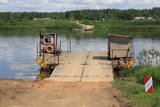 |
This is one of two crossing points across the Daugava (the other is near Līvāni). It is an exotic form of transportation to carry pedestrians, bicyclists and light automobiles across the river. There is a motor that operates a 200-metre metal cable. The crossing point is based on Soviet military pontoons that were used to build pontoon bridges for tanks. The crossing point was established by its owners. The Dunava Catholic Church is on the left bank of the river, and nearby is a monument to rafters. During the 1820s, there were three crossing points of this type across the Daugava. |
|
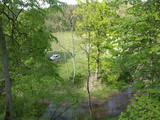 |
The viewing area is near the top of the Vilce castle hill, with a view of the Rukūze River valley, Zaķi meadow, and surrounding forests. This is an unusual landscape for the region of Zemgale. The Vilce baronial estate is nearby.
|
|


