
| Нo | Название | Описание |
|---|---|---|
 |
В хозяйстве производят сыр и другие продукты из козьего молока. Здесь разводят коз, овец, кроликов и домашнюю птицу. Продукты можно купить по предварительному заказу, летом также организуются экскурсии по хозяйству. |
|
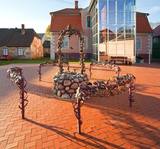 |
Befindet sich im alten Rathaus. Das größte Silberkunstwerk Baltikums (wiegt mehr als 30 kg) und andere dekorative Gegenstände sind zu sehen. Auf der Dachkammer ist die einmalige Malerei im Stil des Spätrokoko zu sehen. |
|
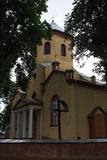 |
Atrodas Līvānu ziemeļdaļā, Baznīcas ielā 17. Dievnams uzbūvēts 1861. g. un paplašināts 1880. gadā. Pēc nopostīšanas 1. pasaules kara laikā to atjaunoja 1918. gadā. No interjera ievērības cienīgas ir ērģeles (uzstādītas 1936. g.), glezna „Svētais Jānis Kristītājs” (mākslinieks Šēnbergs) un 14 Krusta ceļa gleznas, kas ir vācu mākslinieka Fogela gleznu kopijas (19. gs. pirmā puse). Kopš 20. gadsimta sākuma bez izmaiņām ir saglabājies tikai Ostrabramas Dievmātes altāris ēkas labajā pusē. 2007. gadā nokrāsoja dievnama fasādi. Šo darbu laikā, no ēkas sienas izņēma nesprāgušu artilērijas lādiņu, kas bija iestrēdzis 1. pasaules kara laikā. |
|
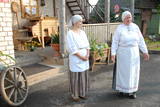 |
Музей хлеба, пекарня и гостевой дом, расположенные всего в 0,6 км от Аглонской базилики. Посетители могут проследить путь хлеба от зернышка до буханки, которую каждый может сделать сам. Предлагается дегустация хлеба (и травяные чаи) с театрализованным представлением на крестины, свадьбу, юбилей и др. На стол ставятся клёцки, крапивники, суп из сушеных грибов или уха из речной рыбы. В музее можно приобрести свежеиспеченный хлеб и работы местных ремесленников. Латышская кухня: Суп из озерной рыбы, клёцки и крапавники. Особое блюдо: Суп из сушеных грибов. |
|
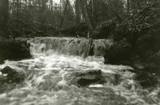 |
Here we find a set of canyon-type gullies among layers of dolomite. There are impressive outcrops and small waterfalls in the little river’s bed.
|
|
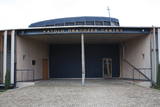 |
Atrodas Ganību ielā 120. Celta (iesvētīta 2001. g.) mūsdienu modernās arhitektūras formās un interesanta ar faktu, ka sākotnēji bijusi Vatikāna paviljons Pasaules izstādē “Expo 2000” Hannoverē. To pārbūvēja un uz Liepāju pārcēla par Vācijas katoļu saziedotajiem līdzekļiem. Ēkā darbojas katoļu draudzes centrs. |
|
 |
The Līgatne Paper Factory is located at Pilsoņu Street 1 in Līgatne. The factory was first built in place of an old paper windmill by two tradesman from Rīga who also built dormitories for residents. These structures are an important component in the urban environment of Līgatne. The rapid flow of the Līgatne River allowed the factory to produce writing paper, stationary and wrapping paper. In 1858, the factory was brought by a local nobleman who brought in new equipment from Scotland. If some 100 people worked at the factory during the first half of the 19th century, then that number rose to 600 by the end of the century and 800 at the beginning of the 20th century. Writing paper was the primary product from the factory, although there were sometimes special orders. During World War I, for instance, the factory produced paper on which the Russian military printed its maps. This allowed the factory to hold an important role in the Russian market. During the Soviet era, the factory at Līgatne produced notebooks and other products that were sent all over the USSR. Today the factory mostly produces wrapping paper of various kinds from waste paper. The Līgatne Paper Factory is the only functioning entity of its kind in Latvia, and there are guides available to give you a tour. The historical centre of the campus on which the factory sits is a cultural monument. The Līgatne Tourism Information Centre (_371-6415-3313) offers tours of the centre during which you will learn about the lives of the factory's workers and administrators in the late 19th and early 20th century. Back then there was major construction work at the factory to build residences for workers, a school, a childbirth facility, a hospital, a club, a guesthouse and other buildings which have survived to the present day. |
|
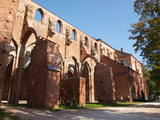 |
Eine der größten Kirchen Osteuropas (bis 16. Jh.) un die einzige mittelalterliche Kirche Estlands mit zwei Türmen. Wurde in 13. – 16. Jh. gebaut, zerstört im Laufe des Livländischen Kriegs. Im Chorteil der Kirche befindet sich das Museum der Universität Taru (früher – eine Bibliothek). Die Türme sind renoviert und in denen sind die Aussichtsplätze eingerichtet. |
|
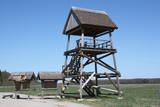 |
This barrow is on the western side of the Dunduri meadows and was built on the parking lot of the former collective farm. From the second level of the tower, you will have an excellent view of the meadows all the way to the Džukste River and the Kauguri canal. There are livestock accustomed to life in the wild, although they will sometimes be quite distant. This is a bird-watching location from the springtime until the second half of the summer. |
|
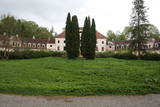 |
Vieta, ko nekādi nevar uzskatīt par tūrisma objektu, bet tajā pat laikā tas ir Latvijas mērogā nozīmīgs kultūras un vēstures piemineklis, ko nevar nepieminēt! Laikā no 1923. – 1943. gadam muižas pilī atradās Latvijā zināmākā mājturības skola, kurā mācījās izslavētās kaucmindietes! Tagad muižas pils ir pamesta, avārijas stāvoklī un apskatāma tikai no ārpuses un „pa gabalu”. Ap 1780. gadu celtā pils, kas 1909. – 1912. g. tika pārbūvēta pusloka būvapjomā, ir Latvijai diezgan unikāls arhitektūras paraugs. |
|
 15 дней
|
The road trip from Vilnius to Rīga will take you to the most beautiful and important sightseeing places of the Next on the route is the Dubysa Regional Park, which includes the spectacular Dubysa river valley, historic churches and mounds along its banks. Be prepared, since the terrain of this area is rather rolling. Next, you will visit the town of Šiluva, which is a Catholic pilgrimage site, and then travel to the Tytuvėnai Regional Park, where you walk the natural trail of the lake of Gilius, which is part of the Forest Trail. The tour will continue in the Kurtuvėnai Regional Park, where you will walk one section of the Forest Trail from Kurtuvėnai to Šaukėnai, leading along small forest trails, educational trails, beautiful tree alleys and through wetlands. Then you will go to the region of Samogitia, visiting Telšiai and walk one of the Forest Trail sections along Lake Plateliai. Next, the tour takes you through the stone town of Mosėdis to Latvia, where you will stop over to have a walk on one of the oldest towns in Latvia – Aizpute, enjoying its 19th century wooden architecture and the local wine brewery. Next you will take a small walk along the Forest Trail in the eye-catching Kazdanga manor park and drive on to the most beautiful town of Kurzeme – Kuldīga. At the end of the tour, you will walk a section of the Forest Trail along the Abava River Valley Nature Park and nature trails in the Ķemeri National Park. |
|
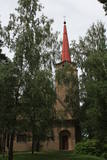 |
Находится в западной части Виесите, со стороны ул. Калькю на т.н. холме Валес (оставленный ледником оз). В качестве интересного факта стоит упомянуть то, что в 1919 году в этом месте защитники Виесите нанесли поражение армии Бермонта. Закладка камня церкви состоялась 15 августа 1937 года (в День памяти героев), освящение - в 1939 году, а восстановление - в 1994 году. Финансовую поддержку в строительстве храма оказывал профессор Пауль Страдиньш. В храме находится алтарная икона Л. Цауне. К востоку от церкви, у подножья холма Валес установлен памятник П. Страдиньшу. |
|
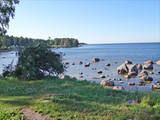 |
In 1804 Käsmu founded the first Estonian naval school and from 1798 – 1920 built more than 40 ships. Now there is a museum about seafaring. |
|
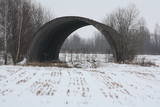 |
Кажется, что это одна из наиболее обвитых легендами в наши дни территория Советской армии,. В советское время здесь находился запасной аэродром, склады ядерного оружия (… 50 км от столицы), которые были замаскированы под два засыпанных землей и обросших растительностью ангара. В разных источниках можно найти сведения, что на складах хранились 430 кг термическая ядерная бомба RX – 24 и 1030 кг ядерная бомба RX – 26 с ядерными зарядами различного типа, а также ядерные ракеты типа земля-воздух. Что бы осталось от Риги и стран (стран Балтии? Северной Европы?), если бы здесь произошел несчастный случай? Сегодня аэродром - это закрытая территория.
|
|
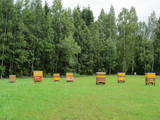 |
В окрестностях хозяйства простираются ухоженные поля с медоносными растениями - горчицей, донником, фацелией и гречихой, которые используют как семенной и для пчелиной пасеки материал. Предлагает экскурсию и рассказы о жизни пчел, дегустацию ивового, гречишного, верескового и меда разных цветов и покупку. Медовые продукты удостоины всевозможных наград! |
|
 |
Хотя в наши дни мыс Колка находится в свободном доступе для местных жителей и посещений туристов, сам пост погранохраны все еще выполняет свои функции и закрыт для гражданских лиц.
|
|
 |
Labi aplūkojama (neliela izmēra vienstāvu ēka) no Klajumu vējdzirnavu puses. Baptistu draudze Jūrmalciemā dibināta 1933. gadā. |
|
 |
В симпатичных и миниатюрных строениях и вольерах размещено около 65 разных пород кроликов. Дети могут увидеть кроликов и познакомитьсяс с другими домашними животными - козами и овцами. |
|
 |
The viewing tower is on the western part of the Blue Hills of Ogre, not far from the Dubkalni quarry. Paths lead to the tower, as does a wooden staircase. The viewing platform offers a very broad view of the Ķegums hydroelectric power plant reservoir and the towers of
|
|
 |
В центре поселка Плацис у шоссе Игчукалнс – Валка (А3) находится памятник освободителям северной части Латвии в 1919-го году, созданный скульптором Теодором Залькалном. На памятнике высечены слова Эдварда Вирзы «Пока будете сеять на этих полях хлеб, вас будут прославлять и вспоминать с честью». На памятнике изображен крестьянин, стоящий с мечом возле запряженного коня. |
|


