
| Нo | Название | Описание |
|---|---|---|
 |
Die größte Bernsteinausstellung im Baltikum (seit 1963) mit Bernsteineinschlüssen. Ist die Bedeutung des Bernsteins in der Geschichte des baltischen Völkern wiedergespiegelt. Das Museum ist in einem dem Grafen Tyszkiewicz (1865 – 1932) gehörteten Schloss (gebaut 1897) eingerichtet. |
|
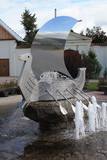 |
Arī 18. novembra laukums. Tas sācis veidoties 18. gadsimtā kā tirgus laukums. Tā dominantes bija 1752. g. celtais rātsnams (nav saglabājies) un aptieka, kas šajā ēkā darbojas no 1810. g. līdz pat mūsdienām. 2010. gadā laukumā izveidota strūklaka, kam ir pilsētas ģerboņa forma. |
|
 1 день
|
Ekskursijas laikā apmeklējiet dabas taku, kurā ir iespēja iepazīt Amatas novada dabas objektus gar Kumadas upes, Dančupītes un Amatas upes krastu. Pēc tam apmeklējiet Cēsu pils kompleksu. Viduslaiku pils sniedz iespēju iejusties 800 gadus tālā pagātnē, uzkāpt ar sveču lukturīšiem Rietumu tornī, nokāpt cietumā, kā arī redzēt, kā kalējs darina latgaļu rotas. Blakus esošā Jaunā pils ir 18. gs. celta pilsmuižas kunga māja, kurā tagad atrodas Cēsu Vēsture un Mākslas muzejs. Ekskursijas noslēgumā dodieties uz lauku māju Smiltenes novadā, lai iepazītu maizes cepšanu pēc sentēvu tradīcijām, kā arī pašiem izveidot savu maizes kukulīti. |
|
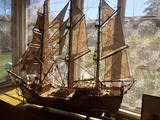 |
Еще 20-30 лет назад в Рое жили Лаймонис и Илга Вейдеманы, которые были глухими людьми и с большой любовью создавали модели парусников различного размера. В основе создания моделей парусников лежала нереализованная мечта о больших кораблях предков и морских просторах, по которым не будет суждено плыть. Модели парусников были сделаны с высокой точностью, тщательно и с большой любовью, без изучения секретов изготовления моделей парусников. Коллекцию парусников теперь унаследовала внучка Лаймониса Вейдемана, которая хочет показать широкой публике чудесную коллекцию и старательный труд своего дедушки. Хозяйка дома встретит посетителей и расскажет о создании парусников. (Источник: Ройский ТИЦ) |
|
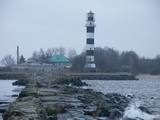 |
Западный мол (построен в 1885-м году) простирается в море на 860 метров и вместе с Восточным молом регулирует впадение Даугавы в море, уменьшая ее засорение. В основании гидротехнического сооружения находится сваевая конструкция, укрепленная камнями. Мол многократно реконструировался и укреплялся. В 19-м веке на моле находилась каторжная тюрьма. Примерно половина мола восстановлена путем бетонирования. Остальная часть в данный момент находится в довольно плачевном состоянии! Уже в 1528-м году польский король Стефан Баторий издал приказ о строительстве маяка в устье Даугавы. Первая карта, на которой изображен маяк, датируется 1536-м годом. В учете маяков Российской империи за 1721-й год указано, что здесь находится нагромождение камней, на котором зажигается огонь. Позже были построены деревянные и каменные башни, которые во время войн были уничтожены. Современный Даугавгривский маяк высотой 35 метров был построен в 1957-м году. Огни маяка видны на расстоянии 18 морских миль. |
|
 |
Находится со стороны дороги Двиете – Бебрене. Восстановленное строение возводилось в 1874 году. После Первой мировой войны до 1929 года амбар использовался как моленная до тех пор, пока не была восстановлена Двиетская католическая церковь.
|
|
 |
Хутор с одним из красивейших садов представляет интерес как для поклонников декоративного садоводства, так и просто для любителей природы. В саду имеется множество растительных сообществ, из усадьбы тропинка ведет к краю древней долины Пайсту. |
|
 |
Предприятие работает уже более 40 лет. В наши дни оно стало конкурентноспособным молокоперерабатывающим предприятием в масштабах Балтии, производящим молоко, кефир, творог, йогурт, масло, сыры и другие продукты переработки молока. Продукцию можно приобрести в магазине рядом с предприятием. Одно из пяти латвийский предприятий, которые имеют право производить традиционный продукт, включенный в схему «Гарантированной традиционной особенности» ЕС – сыр «Яню». |
|
 |
Один из самых популярных прибрежных туристических объектов в Курземе – высотой до 20 метров, омываемый морской волной берег, состоящий в основном из песка и узких полосок гальки - валунов. Напротив центра Юркалне построена смотровая площадка и лестница, по которой можно спуститься к морю. Крутой берег Балтийского моря продолжается как в направлении Павилосты, так и в направлении Вентспилса. |
|
 |
Гостей кафе ждет полезная для здоровья, традиционная для данного региона и экологически чистая еда. Также здесь можно познакомиться с народным культурным наследием, разными легендами, а также приобрести лакомства и сувениры. |
|
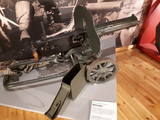 |
Ikšķiles vārds Pirmā pasaules kara laikā izskan saistībā ar diviem notikumiem – Ikšķiles priekštilta nocietinājumiem (Nāves sala) un kaujām pie Mazās Juglas upes. 1917. gadā 1. septembra rītausmā Vācijas impērijas armija uzsāka uzbrukumu iepretim Ikšķilei ar mērķi ieņemt Rīgu un saņemt gūstā Krievijas 12. armiju. Ar spēcīgu artilērijas atbalstu vācu vienības izsita Krievijas armijas karavīru daļas no Ikšķiles pozīcijām, kas savukārt ļāva Vācijas armijas karavīriem pa trim pontonu tiltiem šķērsot Daugavas upi. 1.septembra pēcpusdienā vācu izlases vienības sasniedza Mazās Juglas upes apkārtni pie Tīnūžiem, kur tām negaidīti ceļu aizšķērsoja no rezerves steigā atsauktā 8000 vīru lielā 2. latviešu strēlnieku brigāde, kura ieņēma pozīcijas gar Mazās Juglas upi. Latviešu strēlniekiem tika pavēlēts aizkavēt vācu karavīrus, līdz visa 200 00 vīru lielā Krievijas 12. armija izies no aplenkuma, nenokļūstot vācu gūstā. Latviešu strēlnieki savu uzdevumu izpildīja pilnībā, diennakti cīnoties pret gandrīz desmitkārtīgu vācu pārspēku. Kauja pie Mazās Juglas upes bija viena no traģiskākajām un reizē viena no leģendārākajām Latvijas vēstures lapaspusēm. "Tīnūžu muižā" ir izveidota 1. Pasaules kara tēmai un Juglas kaujām veltīta ekspozīcija. |
|
 |
Кафе «Уденсрозе» находится на Рыночной площади Вецпиебалги, напротив лютеранской церкви. Сотрудничают с крестьянами и продают продукты Пиебалгской коптильни. Латышская кухня: Хрустящая свиная кожа, картофельные блины, холодный свекольный суп, жареная свинина, колбаски из баранины с квашеной капустой, домашние купаты, филе судака, тонкие блины, собранный в Пиебалге мед, варенье из морошки, клубничный суп с мороженым. Особое блюдо: «Солянка кенча». |
|
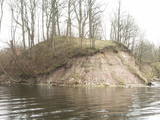 |
Where the little Rumbiņa river flows into the Daugava (on the left bank of the little river opposite the Lielvārde park), there is the Dievkalns castle hill that has been reduced by the waters of the Daugava. It is also known as the Cepure hill. According to antiquities that have been found here, representatives of Baltic tribes lived here from the first millennium BC to the 6th or 7th century AD. The level of the Ķegums hydroelectric power plant can be reached by a staircase from which the best view of this object can be found.
|
|
 |
В хозяйстве зеленеет богатейший яблоневый сад, а в поле растет картофель и клубника. Можно купить яблоки и попробовать клубнику. |
|
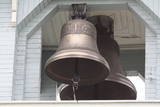 |
Находится в южной части города, на улице Синицина, 4. Храм построен в 1895 г., а в 1906 г. перестроен. На колокольне находится три литых из серебра и меди колокола (отреставрированные), один из которых является самым тяжелым в странах Балтии ( вес 4832 кг, язык колокола весит 200 кг)! Рядом расположен музей, который знакомит с культурной средой старообрядцев и церковной жизнью. |
|
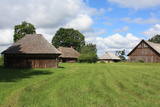 |
Находятся в 7 км к северу из центра Вецпиебалги. Здесь представлены характерные для Пиебалгской деревни 19 в. аутентичные дворы крестьян и ремесленников со старинными орудиями труда и предметами быта, а также недавно восстановленная ветряная мельница. |
|
 |
Корчма находится в историческом центре города Екабпилс, недалеко от Даугавы. Известен экзотическим выбором блюд. Латышская кухня: Сырный салат, суп из боровиков, горшочек с курицей или свининой, клубничный суп с мороженым. |
|
 |
Klusā lauku teritorijā un priežu jaunaudzes ielokā atrodas ģimenes uzņēmums ar videi draudzīgu saimniekošanas filozofiju - "LavenderVilla". Teritorijā ir izveidots lavandas lauks un lavandas labirints ar ~ 6000 lavandas stādiem. Saimniecības apmeklētājiem tiek piedāvāts iepazīties ar lavandas audzēšanu, ko izmanto dizaina priekšmetu, ēteriskās eļļas un tējas ražošanai. Papildus tiek piedāvāti naktsmītnes pakalpojumi lavandas un zāļu atpūtas namiņā, pasākumu organizēšana (joga līdzās lavandām, tematiskie pasākumi, kāzu ceremoniju vieta u.c.), pirtnieka pakalpojumi, fotografēšanās iespējas lavandas laukā un lavandas pārtikas produktu degustācijas. |
|
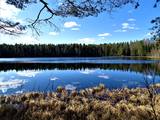 |
Ķekavas novadā, Daugmales pagastā atrodas jauka atpūtas vieta - Lejas ezers. Ezeram var apiet apkārt, taka nav marķēta un iešana ir pa mazām meža taciņām. Slapjākā laikā taciņas vietām var būt mitras un dubļainas. Pastaiga aizņems aptuveni stundu. Pie ezera ir iekārtotas vairākas piknika vietas. |
|
 |
АО «Прейлю сиерс» является крупнейшим производителем сыра в Латвии, экспортирующим ~ 90 % сыра. В магазине „Preilis”, расположенном недалеко от производства по адресу ул. Даугавпилс 66a, в продаже имеется самый широкий ассортимент продукции АО «Прейлю сиерс». Дегустацию прейльского сыра и просмотр фильма предлагают также в бистро „Preilene” по адресу Прейли, ул. Резекнес 15. В Прейли находится единственный памятник сыру в Латвии (во всем мире только несколько таких). Также в городе можно увидеть шесть сырных скульптур. Прейли называют латвийской столицей сыра. |
|


