
| Нo | Название | Описание |
|---|---|---|
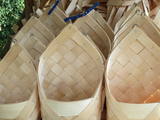 |
В мастерской производят все, что необходимо в хозяйстве - скамьи, столы, вешалки, кухонные принадлежности, ушаты, бочки, замечательные сувениры из дерева и др. Изделия можно купить, а также сделать свой заказ. Экскурсии. |
|
 |
The park was established to protect the Venta River valley and the landscapes that are around its tributaries. On the west bank of the Venta, at Papilė, there is a cliff from the Jurassic period which is unique in the Baltic States, has been known since 1925, and has layers in which more than 300 forms of life have been identified over the course of time.
|
|
 |
This pyramid-shaped hillock with an observation tower at the top of it was established by the Soviet military. It is along the Ķevele-Saldus road, where the Zvārde airfield used to be located. It was used as an observation facility to co-ordinate army training manoeuvres. There is a view of the former airfield and the massive forests of the Zvārde Nature Park and nature reserve. It is an appropriate location for bird-watching. Note that there are no improvements there.
|
|
 3 дня
|
Ventspils ir viena no attīstītākajām Latvijas pilsētām ar izcilu infrastruktūru, restaurētu vecpilsētu un Livonijas Ordeņa pili, tīru un labi ierīkotu balto smilšu pludmali, promenādi un dažādām izklaides un atpūtas vietām. Pilsēta ir piemērota ģimenēm, un bērni visvairāk izbauda Zilā karoga pludmali ar dažādām šūpolēm, slidkalniņiem, kā arī Bērnu pilsētiņu ar aktivitāšu zonām dažādu vecumu bērniem. Īss izbrauciens ar Mazbānīti, kas ir interesanta atrakcija gan bērniem, gan pieaugušajiem. Ūdens priekus var baudīt gan iekštelpu, gan āra akvaparkos. Dodieties izbraucienos pa tuvējo apkārtni, lai izbaudītu ainavisko jūras piekrasti, redzētu tradicionālos zvejnieku ciematus, kur iespējams iegādāties kūpinātas zivis tieši no zvejniekiem. Slīteres nacionālais parks ar skaistu skatu, kas paveres no Slīteres bākas, apburošā Kuldīga ar tās koka arhitektūru. |
|
 |
В хозяйсте производят молоко, йогурт, творог, сметану, сливки и сыр, используя молоко коров, выращенных в хозяйстве. В стаде 70 голов. Каждую пятницу продукцию можно приобрести на месте – в хозяйстве. |
|
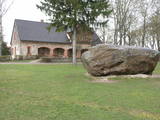 |
Расположен в Лиелвардском парке, в построенном в начале XIX века амбаре господской усадьбы . Музей размещается в здании с 1970 года, и в его запасниках собраны материалы об эпосе латышского народа «Лачплесис» и его авторе Андрее Пумпуре (1841 – 1902), а также об истории и этнографии Лиелвардского края. Рядом с музеем находится огромный камень – ложе Лачплесиса (около 80 т) и обломок – одеяло Лачплесиса. В свое время оба камня находились в Даугаве, рядом с Лиелвардским островом, где теперь волнуются воды Кегумской ГЭС. Здесь же можно осмотреть деревянный кряж Спидалы. |
|
 |
This is a segment of the shore of the Bay of Rīga that is around 40 km long and features the valleys of three major rivers – the Lielupe, Daugava and Gauja river. There are dune formations, biotopes, seashore meadows and forested seashore dunes which are an important recreational resource. |
|
 |
Находится на 22 км шоссе Рига - Лиепая (A 9). Блюда готовятся г.о. из даров леса. Интерьер выполнен в тематике охотничьего промысла. Рядом размещен загон с ланями. Латышская кухня: Жаркое из косули, жаркое из кабана, стейк из оленьего окорока, жаркое из баранины, фаршированная ручейная форель. |
|
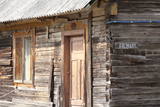 |
«Валдамо» (Vāldamō) - жилое здание желтого цвета и естественным кровельным материалом, построенное в начале прошлого столетия как новое хозяйство. «Вирго» - следующее (к северу) хозяйство за «Валдамо» (Vāldamō). Построено как новое хозяйство в двадцатых годах прошлого столетия. Жилой дом (1930 г.) отличается интересной резьбой по дереву. «Филмани» - следующее (к северу) за «Вирго». Постройка старинного вида возведена в начале ХХ века, как небольшая комната. Увидим «Силкални», если на перекрестке дороги повернем направо, в направлении Питрагса. Это здание желтого цвета, построенное примерно в 1906 г. как небольшая комната. «Норпиедаги» - находится на юге за «Силкални». Коричневого цвета и большего размера, чем предыдущее. Жилое здание примерно в 1906 году, как клеть небольшой комнаты строил активный ливский общественный работник и строитель лодок Дидрикис Волганский(1884 - 1968). 1912 г. здесь родился его сын Эдгарс Валгама, который также был работником ливской культуры и работал священником в Финляндии. «Андули» находятся около ранее упомянутого перекрестка дорог. Одно из крупнейших старых хозяйств поселка и старейший двор, история которого известна с 1680 года, когда он именовался «Кукини». Двор вмещал жилой дом(~ 1909 г.), ригу (1905 г.), клеть (середина XIX в.) и коптильню, построенную из перепиленной лодки. Под частью риги «Андули», которая построена на склоне дюны, находится средневековое, т.н. Чумовое кладбище. «Жоки» - напротив «Андулей» и с другой стороны дороги. Наблюдаемое сегодня здание построено на фундаменте исторического старого хозяйства. В середине XIX в. в «Жоки» находилась первая школа по чтению для ливских детей тогдашних прибрежных поселков Дундаги. Учителем работал лив Ника Полманис (1823 - 1903). «Тилмачи» - следующее (на севере) хозяйство за «Жоки». Сохранилось несколько зданий, которые строились на рубеже XIX – XX столетия: жилой дом коричневого цвета, конюшня и часть клети. Проводя реставрацию жилого здания, хозяин нашел доску с надписью «1825. Курляндская губерния». Упомянутые ранее семь исторических хозяйств и здания в свое время были кандидатами в список мирового культурного наследия ЮНЕСКО. |
|
 5 дней
|
Маршрут «Балтийский путь»создан в честь уникальной акции, состоявшейся 23 августа 1989 года, во время которой жители трех стран взялись за руки и составили цепочку участников протяженностью около 600 км, соединившую столицы государств – Вильнюс, Ригу и Таллин. Исторически этот путь был известен и использовался еще в XIV–XV веках и даже раньше. В данном регионе блюда из злаков имеют древнюю историю, во многих местах пекут вкусный ржаной дрожжевой хлеб, в Видземе попробуйте его с конопляной пастой. Ячмень используют для выпечки карашей, варят в виде перловки и букстиньпутры (ячневой каши с картофелем). Из пшеничной муки выпекают водяные крендели с тмином. Путь зерна можно проследить в крестьянских хозяйствах и на восстановленных ветряных мельницах. К летнему солнцевороту во многих местах готовят Янов сыр, в обычные дни предлагаются и другие вкусные сыры из коровьего и козьего молока. Популярны приготовленная различными способами речная и озерная рыба, блюда из мяса местного домашнего скота и птицы, а также дичь, приправленная вкусными соусами. Дым живого огня придает сочному жаркому или горячему супу удивительный аромат. Гарнир – коренья и зелень, бобы, горох и грибы. В супы и салаты добавляют дикорастущие растения: щавель, листья одуванчика, сныти и молодой крапивы. Угоститесь свежим медом, пирожками со шпеком, открытыми пирогами, кренделями, десертом из ржаного хлеба, медовым тортом и пипаркукас. В предложении вы найдете и простые традиционные блюда, и романтические трапезы в замках и усадьбах, и специальное рыцарское угощение с использованием характерных для ливонских времен приправ. Жажду можно утолить травяными чаями, березовым соком, ягодными напитками, вкусным пивом, вином или стаканчиком более крепкого напитка. |
|
 |
No Vecās pasta ēkas ir redzama Sv. Jāņa kolonna. Domājams, ka tā celta 17. gs. un sākotnēji kalpoja kā blakus esošā tirgus laukuma „ziņojumu vieta”. Vēlāk kolonnu pārdēvēja Sv. Jāņa - zvejnieku aizbildņa vārdā, jo daudziem Traķu apkārtnes iedzīvotājiem zveja bija ikdienas dzīves sastāvdaļa. |
|
 |
В очень красивом месте (с видом на озеро Саукас) хозяин выращивает крупный рогатый мясной скот, который на протяжении всего года пасется на склонах окрестных холмов. Он проведет экскурсию, покажет коров и предложит сладкие вишни и яблоки из своего сада. |
|
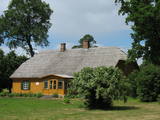 |
Находится на левом берегу реки Мемеле, 1,1 км севернее населенного пункта Бангас. Вилис Плудонис (1874 – 1940) был выдающимся латышским поэтом, представителем народного романтизма и учителем. Вилис Лейниекс (настоящее имя) родился в Бауском уезде в семье хозяина хутора «Лейениеки» Яниса Лейниека. На маленького мальчика уже в детстве оказали влияние сказки, рассказанные бабушкой, рассказы и народные песни. В. Плудонис похоронен на семейном кладбище (кладбище Плудоне), находящемся недалеко от дома (0,3 км). В «Лейениеки» создана экспозиция, знакомящая с жизненным путем и творчеством поэта. У Заячьей баньки ожидают зайцы – по мотивам стихотворения «Заячья банька». |
|
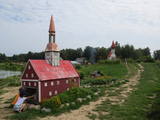 |
В симпатичных и миниатюрных строениях и вольерах размещено около 65 разных пород кроликов. Дети могут увидеть кроликов и познакомитьсяс с другими домашними животными - козами и овцами. |
|
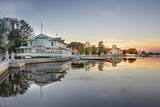 |
Haapsalu was once loved by aristocrats who stayed here during summers, nowadays this town is very appealing to its visitors because of its essence - tiny streets, old wooden buildings and promenade. Worth mentioning are also town's SPAs which were one of the reasons why Haapsalu was so popular its earlier years. Interesting enough, the famous composer Tchaikovsky considered this place one of his favorite's for spending the holidays. |
|
 |
2015. gadā uzceltais skatu tornis atrodas dabas parkā „Daugavas loki”, Daugavas ielejas kreisajā krastā – Daugavpils novada Vescalienas pagastā. No torņa aplūkojama izcilā Daugavas loku ainava. |
|
 |
Saimniecība specializējas kazas piena produktu apstrādē, pieejami dažāda veida svaigie sieri, piens, kefīrs, biezpiens, fetas siers, krēmsiers. |
|
 |
На восстановленной в 20-е годы ХХ столетия (возобновила работу в 1992 г.) водяной мельнице можно осмотреть исторические механизмы и понаблюдать за процессом помола, а в кафе побаловать себя блинчиками, испеченными из намолотой муки. Латышская кухня: Селедка с творогом и вареным картофелем. Блины с грибами, сыром, овощами, мясом, медом, сметаной, творогом, мороженым и карамелью. |
|
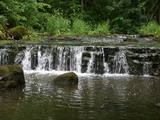 |
The ancient Abava River Valley between Kandava and the place where the river flows into the Venta River is the most expressive river valley segment in Kurzeme in terms of landscape and terrain. The valley is 30 to 40 metres deep and as much as 300 metres wide. The territory is distinguished by great diversity of a biological nature (more than 800 kinds of plants), featuring many different biotopes and natural monuments such as streams, waterfalls, cliffs, huge rocks, and many cultural and historical monumentssmall towns such as Kandava and Sabile. In both cases, the town centres are national monuments of urban construction. Popular tourist destinations include Vīnakalns hill in Sabile, where wine-making grapes are grown, as well as the open-air art museum at Pedvāle. To protect cultural treasures, a cultural and historical territory, “Abava River Valley” has been established. Wild livestock live at Drubazas and Tēvkalni to “maintain” the landscape. There are nature trails for tourists, and the Abava is the most popular river for water tourists in Kurzeme. Information is available at the tourist information centres in Kandava and Sabile. such as castle hills, churches, ancient burial grounds, and
|
|
 |
Предлагает посмотреть африканских страусов разного возраста, истории о и вокруг страусов. Изделия из страусиного пера, кожи и жира, свежие яйца страусов. |
|


