
| Нo | Название | Описание |
|---|---|---|
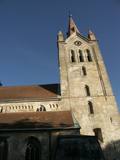 |
The tower of St John’s Lutheran Church in Cēsis, which is one of the oldest stone buildings in Vidzeme, offers a view of the historical centre of Cēsis, and a wide area all the way to Zilaiskalns Hill. There is also the western tower of the ruins of the Cēsis castle, one of the strongest fortresses of the Livonian Order in the Baltic region, and it offers a grand view of the castle’s park.
|
|
 |
Einer der ausgeprägten Kaps der lettischen Küste mit Niederungsauen und einem in 1875 gebauten Leuchtturm. |
|
 1 день
|
The Baltic Coastal Hiking Route starts at the center of Mazirbe village where you can see the Livonian National House. Continuing through small forest and country roads past the former Mazirbe Naval school, it winds through small coastal Livonian villages: Košrags, Pitrags and then Saunags. The Livonian coast is the only place where you can get to know the cultural history heritage of one of the smallest peoples in the world, the Livonians. In this section, the indicating signs are in both the Latvian and Livonian language. At the end of route you will see Cape Kolka, the point where the Great Wave Sea meets the Little Wave Sea. It is one of the most popular bird-watching sites on the Baltic seacoast. |
|
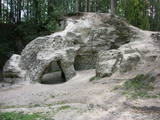 |
Аркада Лиела Эллите – песчаное образование со множеством арок, столпов и ниш. Общая протяженность пещеры Лиела Эллите (Эллите, Велна цеплис, Велна краснс, Велла ала, Лиепмуйжас ала, Лиепас ала) составляет более 20 метров, высота сводов достигает 3,5 метра, а ширина – 5 метров. Из пещеры вытекает мощный источник. Предполагают, что пещера начала образовываться уже 7000 лет назад. Пещера много раз подвергалась разрушению, в начале 20-го века в ней добывали белый песок. Пещера является древним культовым местом. В наши дни место благоустроено. |
|
 |
Saimniece piedāvā sertificēta pirtnieka pakalpojums, organizē latviskos pirts rituālus, vada izglītojošas programmas par augu spēku izmantošanu savai labsajūtai. Apvienojot pirtnieka pakalpojumus un pašas ražoto produkciju, saimniece radījusi zīmolu - “Arnitas labsajūtu darbnīca”. Kā mājražotāja piedāvā pašceptu maizi, zāļu tējas un augu sīrupus, kā arī meistardarbnīcas kulinārā mantojuma jomā. |
|
 |
"Anima Candles" sveces ir roku darbs. Svecēm pieejami vairāki dizaini, kas variē gan krāsās, gan izgatavošanas metodē. Krāsu un smaržu klāsts ir plaši pieejams. Tās izgatavotas no pārtikas rūpniecībā izmantojamā parafīna vai ekoloģiskās sojas. Sveču ražotnē tiek piedāvātas sveču liešanas meistarklases.
|
|
 |
Находится в Межотненском замке. Предлагают вкусные и утонченные блюда и напитки. Стоит увидеть роскошные интерьеры замка, а также один из красивейших ландшафтных парков английского стиля в Латвии. Латышская кухня: Картофельные блины, маринованные рольмопсы, форель с картошкой в мундире, жареная кровяная колбаса с брусничным соусом, серый горох с салом, слойка из черного хлеба с клюквенным вареньем и взбитыми сливкам. Особое блюдо: «Бауский талер» - свинина в форме талера под соусом из Бауского пива. |
|
 |
Кафе «Серпантин» находится на обочине шоссе Рига – Вентспилс (A10) около Страздской лютеранской церкви, в красивом здании с широкими окнами. Сотрудничает с крестьянами. Проводятся музыкальные вечера. Латышская кухня: Овсяная каша, картофельные блины, омлет в крестьянском вкусе, крестьянский завтрак, жареная треска, тушеный лосось, жареный кусок свиной ноги, приготовленная на гриле свинина с ревеневым соусом, горячие ревеневые хрустики, сорта латвийского пива. |
|
|
|
Der Stützpunkt des Livländischen Ordens. Der Bau der Burg war eine Strafe für Ortsbewohner. Die Burg wurde nach dem Befehl des Dänischen Königs Frederik der II 1576 vernichtet. |
|
 |
Всего лишь в 20 минутах езды от Пярну, в старом здании лесничества Tõstamaa, находится кафе Amps & Lonks, которое предлагает путешественникам немного отдохнуть и подкрепиться пиццей, приготовленной из свежих местных продуктов. Особой популярностью пользуется пицца с говядиной, выращенной здесь же, в хозяйстве, и свежий салат. Также можно делать заказы заранее. |
|
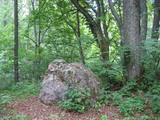 |
Ja Rušona ezeru iepazīstiet ar laivu, tad var apmeklēt Lielo salu (ezera rietumdaļā),kur (augstākajā vietā) ir jāuzmeklē ap 1,2 m augstais akmens. Konstatēts, ka tā apkārtnē un uz virsmas kurināta uguns. Atrastas arī senlietas. Nostāsti vēsta, ka akmens virsmā bijušas iekaltas zīmes (nav saskatāmas) un pie tā upurēti jēri. Tikai nedodieties ezerā, ja ir vai gaidāms stiprs vējš! Rušona ezera salas ir dabas liegums. |
|
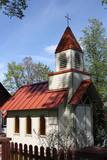 |
Preiļos, blakus viesu namam „Pie Pliča” (Raiņa bulvāris) ikviens var apskatīt un ieiet Latgales un Latvijas mazākajā dievnamā – kapelā. |
|
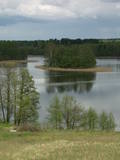 |
In Vecslabada, there is a peninsula among Lake Dziļezers, Lake Audzeļi, and Lake Istra. From the highest point on the peninsula, you will see a truly unusual view of the land of the blue lakes – lake islands, as well as the village of Vecslabada with its church towers. The Lake Istra nature reserve is nearby.
|
|
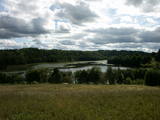 |
Ilziņš jeb Vestienas dzirnavezers pazīstams ar nostāstiem par tajā "periodiski uzpeldošām kūdras salām". Saskaņā ar vietējo iedzīvotāju sniegtajām ziņām, minētā parādība gan sen jau vairs nav novērota. Tajā pat laikā ezers un tā apkārtne ir nozīmīga daudzu aizsargājamu biotopu un sugu dzīves vieta. Ezers ietilpst Vestienas aizsargājamo ainavu apvidū. Ezeru var redzēt, braucot pa Ērgļu - Gaiziņkalna ceļu. Var pakāpties arī blakus esošajā paugurā (ziemeļos no minētā ceļa un ezera), no kura paveras plašāka skatu perspektīva.
|
|
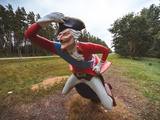 |
В восстановленном хозяйском доме поместья Дунтес разместилась музейная экспозиция, которая знакомит посетителей с приключениями и жизнью легендарного выдумщика и короля всех лжецов барона Мюнхгаузена. Первый этаж музея посвящен барону Мюнхгаузену и его историям, а на втором этаже можно осмотреть экспозицию восковых фигур выдающихся личностей из истории Латвии, а также самую большую в Латвии коллекцию пивных кружек. В лесу разбиты три кольца троп с деревянными скульптурами, самая длинная из троп ведет до самого моря. Детей привлечет деревянный корабль аттракционов. |
|
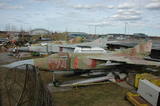 |
Крупнейшая коллекция советской авиационной техники (в т.ч. военной) в Балтии и Европе, которая собиралась более 40 лет. Коллекция располагается на территории Рижского аэропорта и публично доступна.
|
|
 |
Atrodas Sedas purvā (Sedas dabas takas malā) ar plašu skatu uz izstrādātajām kūdras platībām. Sedas taku ieteicams izstaigāt vietējā gida pavadībā T: + 371 2636162. |
|
|
|
Rendā uz nelielās Abavas kreisā krasta pietekas Īvandes 200 m attālumā viens no otra izveidojušies divi ūdenskritumi jeb rumbas. Lielākais ir apmēram 2m, mazākais aptuveni 1,4 m augsts. Upītes krastos redzami nelieli dolomītu atsegumi.
|
|
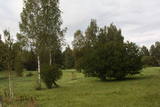 |
Work on the arboretum, which covers 15 hectares of land, began in 1968, and it was meant to be a landscape park. The first plants were planted in 1972. During the fierce winter of 1976, sadly, many of the plants froze. In 1987, the park was redesigned. At that time it had 234 types of deciduous trees, coniferous trees and bushes. There are signs showing the Latin and Latvian names of the various plants
|
|
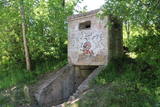 |
Viena no slepenākajām vietām kādreizējā Padomju Latvijā - bunkuri ir bijušais raķešu vadības punkts un patvertne. Bunkurus izveidoja 1950. un 1960. gadu mijā Padomju armijas vajadzībām. Par atrašanos šajā teritorijā draudēja bargs sods. Celtnes izveidošanai ar milzīgām 16- riteņu kravas automašīnām tika atvesti lieli dzelzbetona bloki. Pēc trīs bunkuru izveidošanas, papildus nostiprināšanai un nosiltināšanai tos apbēra ar granti. Celtne sastāv no 2 x 3 sekcijām, kas pievienotas vidējam gaitenim. Blakus ēkā atradās skola, kad 1946. gadā tā daļēji bija izdegusi, tika noslēgts līgums ar Padomju armijas garnizonu par telpu īri. Tā Valkas pilsētas centrā radās militārais centrs un Valka kļuva par Padomju Savienībai svarīgu kodolbruņojuma objektu. Objekts pieejams tikai no ārpuses! |
|


