
| Nr | Name | Beschreibung |
|---|---|---|
 |
Lapsu Mājas sieri tiek gatavoti Ogrē. Godinot latviskās tradīcijas, tos 2013. gadā kā mazais mājražotājs sāka siet Jānis Lapsa savā mājas virtuvē. Lapsu Mājas sieru gatavošanas process ir 101% roku darbs - sākot no sieru masas gatavošanas līdz pat iepakošanai. SieriMājas siers ar samazinātu sāls daudzumu no govs piena (pieejami ar 27 dažādām garšām). Šiem sieriem ir piešķirta kvalitātes zīme "Zaļā karotīte". Bezlaktozes mājas siers ar samazinātu sāls daudzumu no bezlaktozes govs piena. 2021. gadā kā pirmie Latvijā sāka ražot bezlaktozes mājas sierus no govs piena. Jāņu siers ar sviestu vai ar saldo krējumu. Kā top siersTā kā siers tiek ražots pilsētas teritorijā, piena produkcija tiek iepirkta. Sieriem ar samazinātu sāls daudzumu un Jāņu sieram produkcija tiek iepirkta no piena pārstrādes uzņēmuma “Straupe”. Bezlaktozes sieriem produkcija tiek iepirkta no AS “Jaunpils pienotava”. Savukārt olas tiek iegādātas no Ropažu zemnieku saimniecības “Rasas”. Apmeklētājiem
Kur iegādāties sierus
|
|
 |
This farm is in a lovely location that offers a view of Lake Sauka. He breeds cattle which spend all year long on the sides of nearby hillocks. The owner will offer you a tour, show you the animals, and offer sweet cherries and apples from his garden. |
|
 |
Iekārtots bijušā Džūkstes – Lancenieku skolā, kur ikviens var iepazīt mūsu „Pasaku tēva” – Anša Lerha-Puškaita devumu folkloras mantojuma vākšanā.
|
|
 |
The farm offers a look at angora rabbits, which are very uncommon in Latvia. The owner offers tours, stories, rabbit wool, wool products such as mittens and socks, breeding rabbits and consultations. Children will love the animals and can feed them in the presence of the owner. |
|
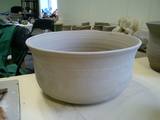 |
This crafts centre is located at the former Svēte Estate, and it organises creative workshops. You can purchase ready-made or commission original ceramic ware. |
|
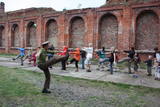 |
Ein beeindruckender Komplex von Militärbauten, der zwischen der Ostsee, Liepāja und den Tosmare Seen gelegen ist. Ende des 19.Jh. begann man, die Festungsanlage, die 45 Millionen Goldrubel kostete, auf Befehl des russischen Zars Alexander III zu bauen. Sie bestand aus einer Wohnsiedlung und Befestigungsbauten – Kanonenpositionen, Bunkern, Pulverkellern, Kanalsystemen, einer Schmalspurbahn und mehr. 1908 wurde der Betrieb der Festung eingestellt, da die Bauweise nach den neusten Bestimmungen der russischen Verteidigungskonzepte als strategisch fehlerhaft eingestuft wurde. Im Ersten Weltkrieg versuchte man, die unterirdischen Bauten zu sprengen, dies gelang jedoch nicht recht. So gelangten hier einige Bestandteile im lettischen Freiheitskampf zu großer Bedeutung. Heute sind noch einzelne Abschnitte der Festung erhalten: Die Nord-Forte, das Mittel-Fort, das Ost-Fort, das Süd-Fort, die Uferverteidigungsbatterien (Nr.23., 3.), der Redan, die Lünette u.a. Der größte Teil davon ist in schlechtem Zustand, so dass eine Besichtigung teilweise auch gefährlich sein kann. Der Nordteil der ehemaligen Festung umfasst auch den Kriegshafen, der sieben verschiedene Armeen und Mächte erlebt hat. In der Sowjetzeit war der Kriegshafen eine geschlossene Zone und für Zivilpersonen unzugänglich. Hier befinden sich viele bemerkenswerte Denkmäler der Militärgeschichte, das bei Touristen beliebte Gefängnis des Kriegshafens bietet auch Bildungsveranstaltungen an. |
|
 1 Tag
|
This outing combines fine dining at one of the most beautiful estates in Latvia with an outdoor experience at a cranberry plantation tasting cranberry-based products. The Bīriņi Castle complex is part of Latvia’s national architectural heritage. The Neo-Gothic main castle building is surrounded by a picturesque park and buildings including the stables and the water tower, which showcase the country’s industrial heritage. The castle hotel is a very popular venue for wedding celebrations. The cranberry plantation in Laugas swamp at Gundegas Farm was started in 1989 as a research farm. Cranberries are well known for their refreshing taste and medicinal qualities. They are used both for culinary purposes and in traditional medicine. Today six types of cranberries are grown in Latvia. The cranberry plantation offers the opportunity for guests to ‘pick-your-own’ during the harvest in September. |
|
 |
The craftsman offers useful household products such as terrines, pots to make pickles, dishes of sugar and salt, bowls, etc. You can learn about pottery traditions and watch as the kiln is opened. |
|
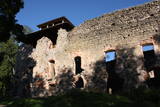 |
The ruins of the Rauna castle (which was built in 1262 and was a main residence of the Livonian archbishop) have a modern viewing tower which offers a view of the impressive castle walls, the place where the former Medieval city was located, and the centre of Rauna. The local government office has the keys to the tower.
|
|
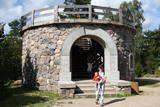 |
This arboretum park is in a lovely place – the Blue Hills of Ogre, where there is a tower with a good view of the Daugava River Valley. The landscape is enlivened by a pond and its streams. There are beautiful hiking trails throughout the park.
Unique species: The Amur Cork Tree (Phellodendron amurense) and the Field Elm (Ulmus minor), among others.
|
|
 |
Reta galda vīnogu kolekcija un degustācija, ainaviska dārza apskate un stāstījums par ķirbjaugu, čilli un tomātu šķirņu kolekciju. Kolekcijā ir 120 šķirņu tomātu, 20 šķirņu paprikas un aso piparu, 140 šķirņu ķirbjaugu. Degustācijas galds - sukādes, čilli, interesanti ievārījumi un pašu fermentētas tējas. |
|
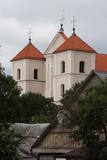 |
Baznīca atrodas Sodu ielā (Sodų gatve) 8. Tās pirmsākumi meklējami 1409. g. (viena no vecākajām Lietuvas baznīcām), kad Lietuvas dižkunigaitis Vītauts Dižais izveidoja Traķu apgabala baznīcu. Dievnams joprojām ir pazīstams ar 1123. g. Konstantinopolē gleznotās Traķu Dievmātes gleznu, kuru it kā Vītautam 1390. g. uzdāvinājis Bizantijas ķeizars Emanuels Paleologs II. Šis fakts gan ir jāuzskata par leģendu, ko aprakstījis vēsturnieks Albertas Vijūkas – Kojalavičius, jo 1645 g. gleznas restaurācijas laikā noskaidrojās, ka tā ir tapusi 15 gs. beigās vai 16. gs. sākumā. Traķu Dievmātes glezna ir pirmā Lietuvas pāvesta vainagotā glezna (vainagošanas ceremonija notika 1718 g.), pēc kuras brīnumus piedzīvojuši daudzi ticīgie - gan katoļi, gan pareizticīgie, gan pagāni, gan tatāri. Latvijā - Aglonas bazilikā atrodas šīs gleznas kopija, ko uzskata par svētu! Vislabākais skats uz baznīcu, Traķu ezerpili un Traķiem paveras no klaja paugura Galves (Galvė) ezera ziemeļu krastā. |
|
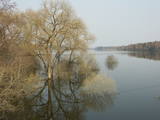 |
Es ist ein einzigartiges Naturgebiet und kulturgeschichtliches Gebiet zwischen Kaldabruņa, Bebrene und Dviete. Durch das Urstromtal fließt der kleine Fluss Dviete, der die Seen Skuķu ezers und Dvietes ezers und die Wiesen der Flussniederung durchquert. Während der Hochwasserzeit arbeiten diese Wasserbecken als Reservoir für die Gewässer des Flusses Daugava, weil sie umfangreiche Hochwassermassen schnell aufnehmen und später langsam zurückgeben können. Wenn es im Frühling sehr viel Wasser gibt, dann ähneln die hier sichtbaren Landschaften keiner anderen in Lettland. Diese Besonderheit der Wasserstandschwankungen ist der Grund, warum dieser Ort für Pflanzen und für Vögel während der Migrations- und Nistzeit von Bedeutung ist. Zum Schutz des Gebietes ist der Naturpark der Flussniederung von Dviete eingerichtet worden. Es ist interessant, dass die höheren Stellen, die während des Hochwassers nicht überschwemmt werden, Inseln genannt werden. Im Urstromtal von Dviete sind 15 eventuelle alte Siedlungen (aus der Steinzeit, Bronzezeit und Eisenzeit) gefunden und viele Zufallsfunde mit verschiedenen Gegenständen ausgegraben worden. Man hat allen Grund zu glauben, dass dieser Ort einer der ältesten und bedeutendsten Wohnorte auf dem heutigen Gebiet von Südlettland ist. |
|
 |
Das einzige Milchverarbeitungsunternehmen in Lettland, das Rohmilchkäse "Tējas" mit verschiedenen Geschmäcken herstellt. Das Unternehmer stellt auch geräucherten Wurstkäse, Käse für Salate und süßes Quarkriegel "Gardumiņš", sowie andere Milchprodukte her. Die Erzeugnisse kann man auf dem Markt in Daugavpils, auf dem Rigaer Zentralmakrt, sowie an den allen Handlungsorten des Unternehmens "Latgales piens" in Lettland kaufen. |
|
 |
Das legendäre Restaurant Halinga befindet sich an der Landstraße Via Baltica 30 Autominuten von Pärnu in Richtung Tallinn entfernt. Das Restaurant ist sowohl für eilige Fahrer als auch für Veranstaltungen geeignet, darunter große Gruppen. Es werden möglichst viele lokale Produkte verwendet und nach lokalen Rezepten zubereitet. |
|
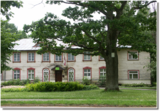 |
Ist ein geschützter Baum von
örtlicher Bedeutung am Rand der Tukuma Straße
gegenüber der Kindertagesstätte „Pienenīte”.
|
|
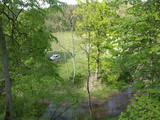 |
The viewing area is near the top of the Vilce castle hill, with a view of the Rukūze River valley, Zaķi meadow, and surrounding forests. This is an unusual landscape for the region of Zemgale. The Vilce baronial estate is nearby.
|
|
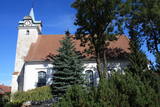 |
Als Treuegabe Herzog Jakob Kettlers an den polnischen König war das Gotteshaus von1640-1642 erbaut worden. In diesem ist unter anderem ein Beichtstuhl mit allegorischen Malereien (1691) erhalten, drei Altäre mit Schnitzereien im Rokoko-Stil und eine Skulptur “Madonna mit dem Kinde” aus dem 16.Jh.. Nach vorheriger Anmeldung kann die Kirche auch von innen besichtigt werden. |
|
 |
The craftswoman produces beautiful rag blankets, bags, as well as pillows with ranges and combinations of colours that are typical in Latgale. You will learn about the weaving techniques and be able to examine finished products. You can weave your own rag blanket and commission and purchase the products. |
|
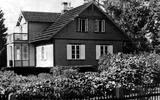 |
Reinis Kaudzīte, co-author of the first Latvian novel “Times of the Land-Surveyors” (“Mērnieku laiki”) stayed in Pēterupe Village from 1913. |
|


