
| Nr | Name | Beschreibung |
|---|---|---|
 |
Restaurant Ankur ist ein gemütlicher Ort, an dem hausgemachte Speisen aus hauptsächlich örtlichen Produkten angeboten werden. Besonders beliebt ist der Fisch aus dem Peipussee. Im demselben Gebäude befindet sich auch ein Hotel. |
|
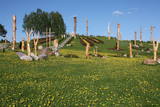 |
Atrodas nepilnus 2 km austrumos no Aglonas, Aglonas – Dagdas ceļa malā. Tā ieceres autors ir Ēriks Delpers, kurš 2006. g. uzsāka vietas labiekārtošanu, izveidojot brīvdabas skulptūru dārzu un stādījumus. Kristus Karaļa kalns šobrīd atrodas izveides procesā, taču neskatoties uz to – objekts, ko ir vērts redzēt! |
|
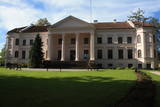 |
Līdzmūsdienām ir saglabājusies vecā - 18. gs. vidū klasicisma stilā celtā vecā kungu māja (šobrīd netiek izmantota, skaisti sīkrūšu logi!) un tai iepretim - pēc 1905. g. ugunsgrēka atjaunotā (1912. – 1913. g., neoklasicisma stils) jaunā pils, kurā atrodas Īvandes pagasta pārvalde, bibliotēka un jauniešu tūristu mītne. Ēkā saglabājušies atsevišķi interjera elementi – parketa grīdas, koka kāpnes u.c. Muižas parkā joprojām zaļo Baltijā lielākā Eiropas baltegle. Tās augstums pārsniedz 32 m, apkārtmērs - 4 m. Parkā izveidota atpūtas vieta. |
|
 |
Pusceļā starp Madonu un Cesvaini, Sarkaņu pagasta Biksēres “Jaundilmaņos” dzimis Latvijas Bērnu ķirurģijas pamatlicējs, traumatalogs un ortopēds, izcils bērnu ārsts Aleksandrs Bieziņš (1897.-1975.). Tagad viņa dzimtajās mājās ierīkots muzejs, Paula Stradiņa Medicīnas vēstures muzeja filiāle. |
|
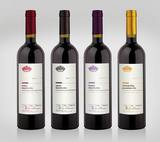 |
This farm grows black currants, blackberries, raspberries, rowans, sea-buckthorn and other berries from which the owner produces homemade wine. The cellar of the castle of the former Order of Kuldīga (with room for up to 25 people) offers tastings of three different wines. Larger groups are welcome to the granary of the Padure Estate. |
|
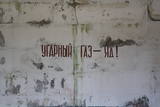 |
Abteilung der Brigade der Zenitraketen in Staldzene befindet sich in einem weiten Territorium mit einem großen Gebäudekomplex. Ein Teil der Gebäude wird privat bewirtschaftet, da ist eine Räucherei für Fische eingerichtet.
|
|
 |
Ein altes, von Liven schon vom 5. – 6. Jh. bewohntes Gebiet. Im Jahr 1226 hat der Bischof Albert in der Mündung des Flusses Salaca am rechten Ufer eine Burg gebaut, die sich bis heute nicht erhalten hat. Auch die Entwicklung von Salacgrīva (ähnlich wie von Ainaži) war mit der Bildung des Hafens verbunden. In der Jahrhundertwende 19.-20. Jh. wurde Salacgrīva zu einem bedeutenden Transport- und Umladungsknoten für die in Nord-Vidzeme hergestellten Waren (besonders für Holz). Während der Sowjetzeit wurde im nördlichen Teil von Salacgrīva der Park Zvejnieku parks (Fischerpark) mit einem der besten Stadien der lettischen Kleinstädte und mit einer Freilichtbühne eingerichtet. Während dieser Zeit ist auch in der ganzen Sowjetunion die Produktion – besonders die Sprotten – der Fischverarbeitungsfabrik Brīvais vilnis bekannt. Salacgrīva ist einer von den zwei Orten in Lettland, wo die Neunaugen immer noch mit der alten Methode – mit den Fischzäunen – gefischt werden. |
|
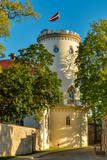 |
Cēsis is in the centre of the Gauja National Park, but it is not part of the park as such. There are many interesting places in Cēsis to visit and examine. The oldest part of the town is of key interest. The origins of Cēsis can be found at Riekstu hill, which is 18 metres high. Between the 11th and 13th century, there was a wooden castle here built by the Vendians. The hill is in the central part of the castle park, and it offers a good view of the park, pond and the ruins of the Cēsis castle, which can be accessed via a long cascade of stairs. The Cēsis castle (see below) was built in the early 13th century as a residence for masters of the Livonian Order, and it was one of the strongest fortresses in the Baltic territories. Alongside it is the New Cēsis castle, which was built in 1777 where the gate fortifications once stood. The Cēsis Museum of History and Art is in the building, alongside which is a visitors centre and the Cēsis Tourism Information Centre. From the tower of the castle, there is a fine view of the castle ruins, St John's Lutheran church and the northern part of the town. Opposite the New Cēsis castle are stables and a wheelhouse (both from the first half of the 19th century). The Cēsis Exhibition Hall is there today. You can look at the exteriors of the granary, the hut for coachmen, and the old brewery. On the other side of the street is the romantic Maija park, which was installed in the 1830s. The park is popular among parents with children, because there is a playground there. From this area, you can walk down some of the old streets of the town – Lielās Katrīnas, Mazās Katrīnas, Mazā Kalēju, Kalēju and Lielā Līvu streets, plus Līvu Square. The wooden buildings along the streets date back to the late 18th and early 19th century. Torņa Street, which weaves its way along the defensive walls of the Medieval castle, offers a look outside the church of a sculpture by Matiass Jansons, "As the Centuries Pass". Legend says that if you rub the lantern carred by the Old Man of Time, you can see the future. One of the most impressive buildings in Cēsis is St John's Lutheran Church, which was built in the late 13th century for the Livonian Order. It is a basilica built in the Roman style and with Gothic elements. The tower, which is 65 m high, was built in 1853. The building was reconstructed several times during the 20th century. Inside the building are grave epitaphs for masters of the Livonian Order and for bishops. The pulpit was installed in 1748, the oak altar followed in 1858, and the altar painting "The Crucified One" dates back to 1862. The stained glass windows around the altar are of great artistic value. The organ was built in 1907 by the E.F. Walker Company, and the instrument is one of the best concert organs in Latvia. A sun clock featuring the year 1744 is at the south-western corner of the church. It is worth climbing the church's tower. At the foot of the building is Rose Square, which began as a market square in the mid-19th century, remained in place until 1927, and was restored in 2008. This is the central square in the town today. During the Medieval Era, there were stockades here, along with the city's well. Rīgas Street has been the main street of the old town from the very beginning, and it is here that you will find the most architecturally outstanding buildings in town from the 18th and 19th centuries. They include the former Cēsis City Hall, the Fābers building, and the Princess building. At one end of the street is Līvu Square, where, during the 13th century, there was a church, a cemetery and a gate in the town walls. Today the square features a lighted fountain which is on the site of a 13th century well known as Lejas Šķimbēgs. At the other end of the street is a reconstruction of the foundations and surface elements of the Rauna gate that was a part of the town walls in the 14th and 15th centuries. The site offers a good idea about Medieval fortifications and the size and mightiness of gates therein. |
|
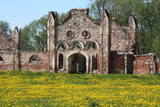 |
The Preiļi Estate is in the southern part of Preiļi. During the Soviet era, the mansion was home to a variety of institutions. A fire burned much of the upper part of the building in 1978. The mansion was never restored, and it can only be viewed from the outside. Around it, however, is one of Latvia’s most outstanding landscape parks (mid-19th century). Irēna Kjarkuža offers interesting tours of the state, with interesting legends and songs in the Lettigalian language. |
|
 |
Im bäuerlichen Betrieb beschäftigt man schon mehr als 20 Jahre mit der Herstellung von Käse. Es wird die Milch der eigenen Kühe verwendet. Hier hergestellte Käsespezialitäten kann man auf den größten Märkten und Jahrmärkten Lettlands kaufen. |
|
 |
Die Senke des Lubāns – Sees, die sich im West- und im Südwestteil des Sees befindet, hat nur wenig veränderte Wälder und Sümpfe, wo viele seltene und geschützte Vögel nisten. Diese Region hat viele seltene und geschützte Habitate.
|
|
 |
Das Café befindet sich im historischen Zentrum von Tukums, am Freiheitsplatz. Lettische Küche: Graupengrütze. |
|
 |
Ein mit Wäldern und Seen reiches Gebiet im Nordteil der Dzūkija-Anhöhe. Das Täufelsbeet (Velnio duobė) ist eine bis 40 m tiefe und 200 m breite trichterförmige Grube, die Entstehung der mit einer Tätigkeit eines urzeitlichen Gletschers verbunden ist. |
|
|
|
Metāla tornis Kazari upes kreisajā krastā, ~ 5 km attālumā no Matsalu līča. No torņa redzamās Kazari deltas palieņu pļavas atrodas tikai 0,3 – 1 m augstumā virs jūras līmeņa, tādēļ pavasara palos un stipru vētru (īpaši rietumvēju) laikā ūdens appludina milzīgu teritoriju. Uzskata, ka platības ziņā šīs ir vienas no lielākajām Eiropas palieņu pļavām, kas ir nozīmīga dažādu tārtiņveidīgo putnu sugu ligzdošanas, dzērvju un zosveidīgo putnu atpūtas un barošanās vieta. Ir pagājis laiks, kad zemnieki Matsalu pļavās ganīja govis un pļāva sienu, tādēļ šobrīd pļavu apsaimniekošanu veic nacionālā parka administrācija. |
|
 |
Cīravas muižas ūdensdzirnavas būvētas 1881. g., bet 20. gs. – pārveidotas. Šīs ir vienas no salīdzinoši retajām Latvijas ūdensdzirnavām, kas tādā apjomā saglabājušas vēsturiskos mehānismus. Apskatāmas no ārpuses. |
|
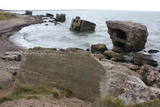 |
Eine von der visuell ausgeprägtesten Batterien der Küstenwache. Warum? Die Positionen der Batterie und die einzelnen Elemente sind ganz oder teilweise im Meer eingespült worden und dabei entsteht eine nicht für Meeresküste Lettlands charakteristische Ansicht. Sie sind besonders beeindrucksvoll in der Zeit der Stürme. Leider ist dieses historisches Denkmal den mächtigen Vorgängen der Naturkräfte ausgesetzt. Die Batterie kann man auch von der nördischen Mole von Liepāja sehen. Es lohnt sich die 4 km lange Strecke entlang der Meeresküste bis zu den nördischen Befestigungswerke zu Fuß zu gehen. Bei der Gelegenheit kann man auch die Positionen der Küstenschützbatterie 23 besichtigen.
|
|
 |
Atrodas Tērvetē, Dobeles – Elejas ceļa malā, 0,2 km dienvidrietumos no Tērvetes pilskalna. Ar mežu apaugušais paugurs ir sena apmetnes vieta, kas bijusi apdzīvota jau 1. g.t. pr. Kr. Teika stāsta, ka kalnā bijis klosteris, kura mūki pēc klusēšanas pārkāpuma saulgriežu laikā kopā ar visu celtni nogrimuši kalna dzīlēs. |
|
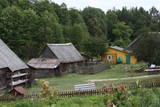 |
Grūti iedomāties, ka vēl joprojām Eiropā ir apdzīvotas vietas, kuru sasniegšanai ir labu laika sprīdi jābrauc pa neapdzīvotu mežu ieskautu smilšainu ceļu, kur tikai paretam var redzēt kādu sēņotāju vai ogotāju! Tāpat kā Zervinos ciemam, arī šim ir piešķirts kultūras mantojuma pieminekļa statuss, jo Linežeris ir viens no dažiem nacionālā parka etnogrāfiskajiem ciemiem. Linežerī ir aplūkojamas 19. – 20. gs. mijā celtās ēkas un apskatāms tā laika ciema plānojums. Šejieniešu tāpat kā citu dzūku galvenā nodarbošanās bija mežistrāde un meža velšu vākšana. Nelielā mērā – arī lauksaimniecība. Apceļojot nacionālā parka etnogrāfiskos ciemus, rodas pamatots jautājums: „Ar ko mūsdienās te nodarbojas cilvēki. Kā viņi spēj dzīvot tik nomaļā vietā”? Jāatzīst, ka lielākā daļa te ierodas tikai vasaras laikā. Neskatoties uz to, etnogrāfiskie ciemi ir ļoti sakopti un joprojām „dzīvi”! |
|
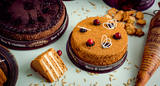 |
В кондитерском цехе у Инесе из природного и произведённого в Латвии сырья пекут медовые, шоколадные и творожные торты. Посетители могут ознакомиться с технологией выпечки тортов, попробовать и купить торты, принимаются индивидуальные заказы. |
|
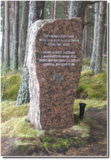 |
Место памяти борьбы финских
егерей в Клапкалнциемсе. Место, где
захоронены пять павших финских солдат во
время Первой мировой войны. В мае 2004
года установили по новой первичный,
установленный в 1929 году и снесенный в
Советское время памятник. В
Лапмежциемском музее можно посмотреть
фотографии и получить более подробную
информацию о финских егерях.
|
|


