
| Нo | Название | Описание |
|---|---|---|
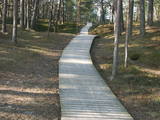 |
The nature reserve “Plieņciema kāpa” is founded in 1987 and covers 60.6 hectares of land. Since 2005 it is a Natura2000 site. The nature reserve protects a 150-200m wide and 3.5km long part of a distinct, continuous dune rampart. The dunes shelter Plieņciems village protecting from sea winds. The key natural values here are rare and protected biotopes of national and European significance: “Wooded dunes of the coast 2180” in the area of 61.8 ha, “Fixed dunes with herbaceous vegetation, 2130 (grey dunes)” in the area of 8.27 ha, “Shifting dunes along the shoreline with Ammophila arenaria (white dunes) 2120 in the area of 3.20 ha”, “Black alder swamp forests 9080”, ) in the area of 2,68 ha, as well as rare and protected species of Latvian and European significance including eastern pasqueflower (pulsatilla patens), Rolling Hen-and-chicks(Jovibarba sobolifera), Nothorhina muricata, Wryneck (Jynx torquilla), Woodlark (Lullula arborea). In the nature reserve, there is a “Vabu square” – a deflation in the dune where for centuries local fishermen have been drying nets. In the 18th and 19th centuries ships were built here. Nine ships have been built here in 1882 - 1925. The four-masted gaff-rigged schooner with hoisting engine “Eurasia” was completed in 1925, the largest ship built by the Kurzeme fishermen. It was one of the works of Martin Morgenstern (1866-1945), a famous shipbuilding master. Thanks to dunes, Plieņciems village was a popular holiday resort and has been mentioned in written sources already in 1738. Clergymen and landlords with their families used to stay here. In 1808, a merchant from Riga bought the local pub and replaced it with a massive two-storey building with a large ball-room and dining hall. On July 15, 1810, a sea bathing facility was opened for health treatment. For arrival of the empress Elisabeth Alexeievna, the wife of emperor Alexander I of Russia, who was a grandson of Catherine the Great, the road from Tukums town was repaired, the two highest hills were levelled, a road passage was dug across the Plieņciems dune, and a lime-tree alley was planted to facilitate access to the beach and bathing spot. Later, in 1920ies, the resort circles consisted mainly of the Kurzeme region landlords. There was a dance-floor in the park of Plieņciems village, and a special orchestra played music for resort guests three times a day. |
|
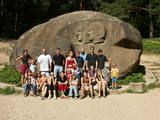 |
The “backbone” to this park is the valley of the Šventoji (Holy) River. One of the most impressive Devonian cliffs in Lithuania can be seen from the river – Vetygalos atodanga. On the shores of the Varius stream is a cliff made of quartz and sand – Variaus atodanga. 6 km to the S of Anykščiai is Lithuania’s second largest rock (5.7 m high, ~100 m3) – Puntukas akmuo.
|
|
 7 дней
|
Во время этого тура вы узнаете о различных путях использования молока – либо для еды, либо для косметических процедур. Из Риги, через исторический и спа курорт Юрмалу, маршрут ведет на козью ферму, где вы попробуете сыры, а также эсклюзивное мороженое из козьего молока. Затем посетите Дундагский замок и попробуйте местные молочные продукты. В Рое познакомьтесь с местными традициями, отведайте рыбацкую еду и поучаствуйте в различных мероприятиях. Затем маршрут идет вдоль нетронутых песчаных пляжей мыса Колка к образцовому городу Вентспилсу, а оттуда поворачивает к живописной Кулдиге с ее хорошо сохранившимся деревянным зодчеством. Затем насладитесь красивым Поместьем Молока, где сможете опробовать разнообразные спа-процедуры на основе молока. Здесь же находится Музей Молока, где вы можете проследить за путем молока от коровы до стола, а также попробовать себя в выполнении различных работ, типа сбивания масла. А далее, маршрут становится сладким. Посетите конфетную фабрику в Салдус, где изготовляют вручную традиционные ириски. Затем в меню мороженое в Друве. Далее – осмотр достопримечательностей в Елгаве, которая когда-то была основным местонахожением герцога Курляндского. Посетите производителя сыров в Элея, а перед отъездом в Ригу посетите великолепный Рундальский дворец, который считается красивейшей жемчужиной Балтики. |
|
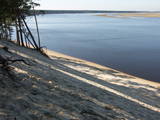 |
An important complex of the coastline and its sand dunes along with the mouths of three major rivers – the Lielupe, the Daugava and the Gauja. This area has ancient traditions of recreation and spa services. The territory has lovely shoreline landscapes and features one of the few coastline meadows in Latvia. The nature park includes several restricted areas – the meadows of the Lielupe estuary, Vakarbuļļi, Daugavgrīva, Vecdaugava and Ummis (see the section on “Restricted Natural Areas”). Interesting elements of nature in this area include the amphitheatre of the Garciems dunes, along with individual dunes such as the Legzdiņi dune and the so-called ski mountain dune. Visitors will be attracted by various cultural and historical monuments – fortifications on the Mangaļi peninsula, military buildings from the period of the Russian tsars all the way through the late period of the Soviet occupation, the fortress of Daugavgrīva, the Vecāķi spa with its old shoreline buildings, and the beaches at Daugavgrīva and Vecāķi. The proximity of the city of Rīga and various important recreational resources are the reason for the massive anthropogenic burden that is placed on this territory. The nature park is appropriate for active tourism (hiking, bicycling, boating, driving), distance skiing, nature and bird-watching, cultural tourism, passive leisure and educational tourism. There are nature trails at Daugavgrīva and the Rožu dunes, along with other elements of infrastructure. |
|
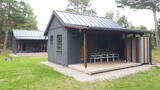 |
Brīvdienu mājiņas Jūvgumegi atrodas Kurzemes reģiona Mazirbē, Slīteres nacionālajā parkā. Viesiem tiek piedāvātas četrvietīgas un divvietīgas naktsmītnes ar bezmaksas privātu autostāvvietu. Visās ir pieejama virtuve ar ledusskapi un plīts virsmu, kā arī tualete, duša izvietota uz terases. Līdz liedagam 400m. |
|
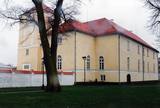 |
Замок возводился как военный стратегический объект, поэтому за время своего существования пережил разные власти и времена. Строение (впервые упомянуто в конце 13 века), невзирая на опустошительные войны, с небольшими изменениями сохранило свой основной объем и сущность замка Ордена, что является уникальным для Латвии случаем! Считается старейшим замком средневековья в Латвии. С 2001 года в здании располагается Вентспилсский музей - один из современнейших в Латвии. |
|
 |
Tas atrodas pie „Burtnieku” mājām Īlē, kur viņš dzīvojis no 1837. – 1845. gadam. Tēvs Juris Barons apglabāts Īles kapsētā. Savu vārdu nemirstīgu Krišjānis Barons darījis, vācot, sistematizējot un sastādot Latvju Dainu krājumu. Tautasdziesmas jeb dainas ir mazi, ritmiski dzejolīši, parasti četrrindes. Pie Latvju dainu vākšanas Barons pavadījis sava mūža lielāko daļu – apmēram 25 gadus gandrīz dienu pie dienas. |
|
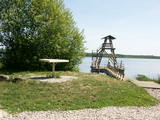 |
Viewing tower on pontoons, and there is a footpath to get to it. The tower offers a view of nearly all of Lake Sloka, all the way to Kauguri. Particularly visible is the northern part of the lake. There is also a sulphur spring. The site is good for bird-watching throughout the year, including the winter, because parts of the lake do not freeze over. |
|
 |
Divus kilometrus garās lokveida takas sākums ir meklējams pie Somā nacionālā parka apmeklētāju centra (atklāts 2000. gadā) – Tēramā ciemā. Tā ved gar Mardu strauta (Mardu oja) krastu, kur krustām šķērsām ir sakrituši bebru nogāztie koki, radot diezgan juceklīgu skatu. Apmeklētāju centrā var iegūt nepieciešamo informāciju, noskatīties videofilmu un nacionālajam parkam veltītu ekspozīciju. |
|
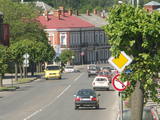 |
«Сердце Латгалии», где в XIV - XII вв. поднялся укрепленный латгальский замок. На месте латгальского замка в 1285 году Ливонский орден приступил к строительству каменного замка. После крушения Ливонии (Резекне вошел в составе Польши) город находился в запущении. Экономическая жизнь в Резекне возобновилась во второй половине XVIII столетия. Со строительством шоссе Санкт-Петербург – Варшава (1836 г.) и железнодорожной ветки Санкт-Петербург – Варшава (1861 г.) Резекне становится пунктом назначения отдыхающих из Санкт-Петербурга. В годы Второй мировой войны существенно пострадала большая часть построек города. Современный город – это важный экономический и культурный центр Латгалии. |
|
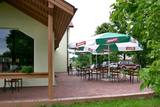 |
Расположено в центре Дундаги – в гостевом доме «Крузини». Латышская кухня: Суп из кислой капусты, серый горох с простоквашей, жареная камбала или треска, суп из кислой капусты с картошкой. Особое блюдо: «Творожная башенка» или крем из продуктов Дундагского молокозавода. |
|
 |
Atrodas Burtnieka ezera austrumu krastā – uz ezera poldera dambja. Pavasara un rudens migrāciju laikā – laba putnu vērošanas vieta. Putni redzami ne tikai ezera piekrastē, bet arī poldera mitrajās pļavās. |
|
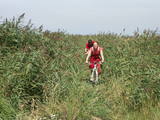 |
Lake Liepāja is shallow and eutrophic (around 40%), and it is one of the most important lakes on the shores of the Baltic Sea for nesting and migrating birds (resting and feeding place). More than 100 different species of birds have been spotted there. The lake is no less important for plants which flourish in salty biotopes. On the north-eastern shore of Lake Liepāja (Vītiņu meadow) there are flood-land plains which are the home to domestic animals which have been adapted to life in the wild. There is also a viewing tower, available upon request with the guide. The system of dams along the south-western part of the lake can be hiked or biked (extreme!) to find lots of interesting viewing areas and landscapes. In the surrounding of the lake there are ruins of unique former fortification systems. |
|
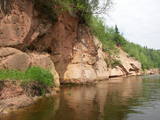 |
Eine der malerischen Sandsteinaufschüssen in Lettland. Die Länge beträgt ung. 500 m, die Höhe – 43 m. Gegenüber befindet sich die Ķūķu-Schnelle. |
|
|
|
Нижняя дорога – пустынная, опоясывающая лес и давнишняя дорога между
Кошрагом и Думели, с которой связаны многие интересные факты: с мельницами
Питрагупе, которые так ни разу и не мололи (еще заметны остатки насыпи), с
паровым котлом какого-то аварийного корабля, используемым местным бароном
для выгонки смолы, с бывшей дорогой для лошадей, пересекающей болото Бажу,
с внушительным Думельским величавым камнем.
|
|
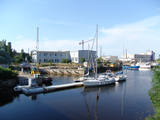 |
О строительстве порта К. Валдемарс мечтал уже с ранней юности, как говорят – еще будучи ребенком! Но только в начале 20-го века в Рое был создан так называемый порт укрытия – построенная в море защитная дамба в 0,5 км от берега протяженностью ~ 213 м. Но она постепенно разрушалась и полностью была разрушена в 1933-м году. В 1930-х годах были начаты работы по выпрямлении русла реки Роя, используя землечерпалку «Рапулис», произведенную во Франции. Были насыпаны валы, построены каменные дамбы и свайные молы, которые позже несколько раз удлинялись. В 1932-м году рыбаки сами своими силами построили мол протяженностью 107 м. Реконструкция портового мола полностью была завершена в 1972-м году. Когда-то здесь, объединив прибрежные рыбацкие хозяйства, активно действовал рыболовецкий колхоз «Банга». (Источник: Ройский ТИЦ) |
|
 |
Atrodas 2,5 km dienvidos no „Kalna Kaibēniem”, Ogres kreisajā krastā. Ap 300 gadus vecā rija, ko atjaunoja 2008. gadā ir uzskatāms par Baltijas (Eiropas) mērogā vienreizēju koka arhitektūras pieminekli. Šobrīd tā ir Latvijā lielākā senlaiku dzīvojamā rija. Iespējams, ka kādam var būt arī grūtības ar šī objekta atrašanu dabā. Apmeklējums iepriekš jāpiesaka: + 371 29266840. |
|
 |
Uzcelts Kaņiera pilskalnā un ir Kaņiera pilskalna takas sastāvdaļa. No torņa paveras izcila Kaņiera ezera dienvidrietumu daļas ainava ar niedru saliņām un nelieliem atklāta ūdens laukumiem. Laba putnu vērošanas vieta. |
|
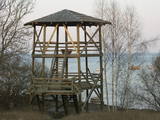 |
This tower is on the shores of the ancient Litorine Sea, with a lovely view of the unique seashore here – complete with small bays and capes. It is part of the Kaltene nature trail, which is around one kilometre long. The location is of particular interest during spring or autumn migration of birds. Two other bird-watching platforms are nearby.
|
|
 1 день
|
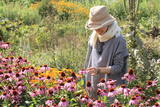
The distance from Riga to Tallinn is more than 300 km and it takes approx. 5 hours by bus. Therefore we suggest stopping on the way for a brief excursion to a herb farm and lunch in a country pub. This stopover is approx. 1.5 hours’ drive from Riga, just at that point when one needs to stretch one’s legs and enjoy a change of scene. The visit will give an insight in rural life and it may surprise visitors to learn how well Latvians understand nature, knowing and using herbs for food, health and beauty. After the excursion, the group will have lunch in a country pub serving meals made from locally grown ingredients. |
|


