
| No | Name | Description |
|---|---|---|
 |
This farm offers education about animals who live there, how they are bred and what the origins of their breeds are. You can gather eggs, learn to sit on a saddle and ride horses. The farm has Aberdeen Angus cattle, alpacas, various birds, horses, ponies, rabbits and goats. |
|
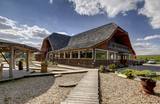 |
Lieliska vieta svinībām vai atpūtai Minijas ielejā Žemaitijā. Kafejnīca 100 pers. un konferenču zāle, kuras izvietotas 6 ha lielajā teritorijā. Spēļu laukumi gan bērniem, gan pieaugušajiem. Kanoe, burbuļvanna un pirts. Nakšņošanai viesnīcas numuriņi, koka namiņš vai 2-zvaigžņu kempings. Pieejama ēdināšana. |
|
 4 days
|
Салаца с точки зрения водного туризма является интересной рекой, на которой даже в период маловодья будут радовать береговые ландшафты и объекты осмотра, а также многообразие самой реки. Для похода на лодках самыми привлекетельными будут окрестности Мазсалацы и участок Мерниеки – Вецсалаца, где на карте видны топонимы, связанные с заколами. Заколы (лат. tacis) – бывшие места ловли миноги – это та уникальность, характерная только для Салацы на участке реки ниже впадения реки Иге. В наши дни о прежнем существовании заколов свидетельствуют топонимы – Гедерту тацис, Жвигулю тацис и др. Заколы для миног строили в местах, где река самая мелкая, самая узкая, более богата островами и стремнинами, поэтому топоним «тацис» означает также самые интересные обстоятельства для сплава. Сами заколы сохранились только в нижнем течении реки у Салацгривы. Ночлег в основном на стоянках для водных туристов (в палатках). Маршрут проходит по территории Северовидземского биосферного заповедника. Информация о маршруте от Latvijas Lauku forums |
|
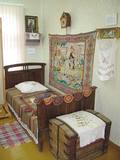 |
The History Museum of Malta. Exposition „History of Malta parish: from
Rozentova and Borovaja to Malta”. We offer household items, tools of trade,
works of art, collection of paper money and coins. Excursion outside the museum
„At the cross-roads of Malta”.
Working hours: Mon– Fri : 9.00 – 17.00, Sat., Sunday : closed |
|
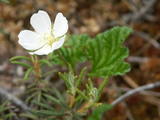 |
Augstā un purva vidusdaļā - pārejas tipa purvs, putniem nozīmīga vieta. Apmekļējumiem nav piemērota infrastruktūras trūkuma un sugu aizsardzības nolūkā. |
|
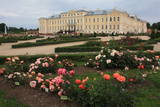 |
The palace was built as the summer residence of the duke of Courland, Ernst Johan Byron, and it was designed by the outstanding Italian architect Francesco Bartolomeo Rastrelli. The construction of the palace ensemble took place between 1736 and 1740. The decorative finishing of the interiors was carried out from 1765 to 1768 by the sculptor Johann Michael Graff and the painters Francesco Martini and Carlo Zucchi. The significance of the palace lies in its authenticity as it has not been modified through rebuilding since then. Intensive restoration works started in 1972 when the Rundāle Palace museum was established. The restoration was completed in 2018. |
|
 |
On the left bank of the ancient Gauja River valley, between the Paparžu ravine and the ravine along which the Sigulda-Turaida road passes through the valley there are the ruins of a castle built by the Order of the Brethren of the Sword. Construction on the castle began in 1207, and three decades later, in 1236, the castle was rebuilt for the needs of the Livonian Order. The Sigulda Castle suffered much damage during wars in the late 16th and early 17th century. During the Great Northern War, it was burned down and never restored. What is there today is the south-western segment of the castle's convent building, as well as the tower of the main gate. Beyond that is the internal forecastle, where there is an open-air stage for the annual Sigulda Opera Music Festival and other public events. There are also impressive views of the ancient Gauja River valley, Krimulda and Turaida. Reconstruction of the ruins is currently ongoing, and after the work is completed a second tower on the left side of the stage will be available to visitors. The plan is to install crossings around the walls of the convent building. Presently the ruins are available on a 24/7 basis and free of charge, but after the restorations are completed in 2012, admission will be charged. |
|
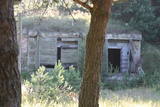 |
The 77th Zenith Missile Brigade of the Soviet Army was charged with air defences along the Soviet Union’s external border. The facility is owned by the regional local government and is not used for anything. There is an interesting gate at the entrance to the facility, however.
|
|
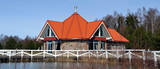 |
Pirts noma, izmitināšana, ēdināšana, banketu zāles noma, internets, makšķerēšana, volejbola laukums. |
|
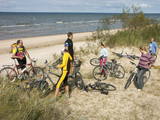 |
The Slītere National Park (established in 2000) is known, with good reason, as an open-air museum which shows the historical development of the Baltic Sea. Nowadays evidence of geological events is seen in the Blue Hills of Slītere, which stand 20 to 30 metres high above what was the shore of the Baltic lake of ice 10,000 years ago. The Stiebri hills were former 8,000 or 9,000 years ago, while the Littorina Sea formed Europe’s largest set of dune ramparts and damp hollows between those ramparts. This occurred between 4,000 and 7,000 years ago. The gentle climate of Northern Kurzeme is the reason why so many rare plants are found in the park – some 860 in all including Common Yew (Taxus baccata) and Baltic Ivy (Hedera helix var. baltica). Of certain value in the preservation of these treasures was the Soviet military machine, which has left behind army bases and other military objects in the area. The presence of the military meant that the area of what is now the Slītere National Park remained largely undisturbed for 50 years. The park includes one of the most popular tourist destinations in Latvia – the Cape of Kolka, which is visited by more than 50,000 travellers each year. During the spring migration of birds, more than 60,000 birds cross the cape each hour. Along the shore of the Baltic Sea is the so-called Livonian coast, which stretches from Kolka to Sīkrags and Ovīši. Fishing villages and other cultural objects established by the world’s smallest ethnic minority, the Livonians, can be found here. Tourists will enjoy interesting four nature trails, bicycling routes, viewing tower, etc. The visitors centre is located at the Slītere lighthouse. Administration of National park is organising environmental education events on regular basis open to everyone. |
|
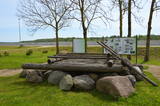 |
The monument is on the banks of the Daugava River opposite Kaļķu Street in Pļaviņas. The symbolic raft is made of logs and stones, and around it are informational stands with photographs that tell the story of the heavy work that rafters on the Daugava once did in terms of overcoming the rapids of the river. |
|
 |
The Soviet Border Guard facility at Mērsrags was the start of the border regime zone. Absolutely nothing of the facility is left for perusal today.
|
|
 16 days
|
This grand hiking tour is provided for experienced hikers wishing to walk along a large part of the coasts of Latvia and Estonia, gain a detailed impression about the diverse coastal landscape, nature, birds and animals of the Baltic Sea. The Baltic Coastal Hiking Route sometimes runs through sandy beaches, sometimes along sections of beach covered in stones and pebbles. Sometimes the trail goes through coastal forests or stops at a fishermen’s village. There are many floodplain meadows, lagoons and shallow bays on the Estonian side, so sometimes the path goes along coastal trails and roads. In the end section of the route you will feel Estonia’s Nordic nature more. Part of the route runs along a sparsely populated seashore where you can be alone with yourself, but you will also be able to visit the most prominent cities. You will visit both capitals: Rīga and Tallinn. Enjoy the hospitality of the resort towns of Jūrmala, Pärnu and Haapsalu. During the hike, you will also get acquainted with the regions of small ethnic cultures: the Livonians in Latvia and the inhabitants of Kihnu in Estonia. |
|
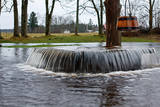 |
Tuhala region has settlements of about 3000 years of age. There are 11 ancient settlement sites, 30 cult stones, 3 burial sites, 4 sacred groves, etc. Tuhala Landscape Reserve has a unique natural feature - the Nõiakaev (Witch´s Well) which “boils” up water during floods at 100 l/s, and 5 mightiest energy columns of the country. |
|
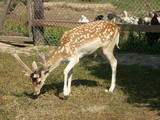 |
Хозяйка проводит экскурсию с осмотром африканского страуса, ланей, овец породы Soay и экзотических и домашних птиц. Посетителям предлагается знакомство с животными и приобретение сувениров. |
|
 |
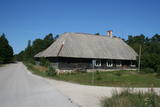
Здание корчмы в Вийтна - одно из старейших подобных сохранившихся зданий в Эстонии. В левом крыле здания располагались две т. н. барские горницы и конюшня, сегодня здесь столовая и сувенирный магазин. С правой стороны располагалась предназначенная для крестьян «мужицкая половина» и крестьянская конюшня; сегодня здесь корчма, в меню которой есть и Эстонские национальные блюда. |
|
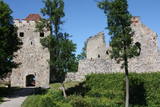 |
Знакомство с Сигулдой можно начать с посещения развалин Сигулдского замка. Строительство замка было начато орденом Меченосцев в 1207 г., а в 1236 г. его перестроили для нужд Ливонского ордена. Сигулдский замок серьезно пострадал во время воин второй половины XVI и начала XVII веков. Во время Северной войны замок был сожжен и больше не восстанавливался. Сегодня можно осмотреть юго-западный корпус здания конвента замка и башню главных ворот, за которой находятся внутренний передний двор замка с эстрадой под открытым небом, откуда приоткрывается прекрасный вид на древнюю долину Гауи. В настоящее время ведутся работы по реконструкции развалин замка. Строительство расположенного на юге Нового Сигулдского замка (владелец - князь Кропоткин) происходило в период с 1878 по 1881 гг. С 1923 по 1940 гг. в здании размещался Дворец писателей, а в советские годы - санаторий кардиологии. С 2003 г. здесь находится дума Сигулдского края. В комплексе господской усадьбы сохранилось деревянное жилое здание (середина XIX века), дом семьи Кропоткина, клеть (XVIII –XIX вв.), дом садовника (XIX в.) и каменный забор (XIX в.). Если от Нового замка отправимся в северо-восточном направлении, то примерно через 2 км спустимся к оврагу Вейупите. Здесь расположена небольшая (3,6 м), но высокая пещера Петра (6,1 м) и глубокий овраг Пучу (Сов) с Краукльупите. В месте соприкосновения оврагов обеих рек возвышается городище Сатезелес (площадка 90 x 75 м), где вначале XIII в. находился дубовый замок вождя (старшего) ливов Дабрелиса. Неподалеку находится ущелье Крауклю (Ворона) – боковой овраг левого берега Вейупите с песчаником высотой 11 м и пещера Крауклю (Ворона) глубиной 5,2 м. В месте соприкосновения оврага Вейупите и древней долины Гауи стоит гора Парадизес (Райская) или Глезнотаю (Художников) - живописнейшее место, которое удостаивалось кисти художников и вниманию фотографов с давних времен! До горы Парадизес можно доехать на электромобиле. В западной части Сигулды можно посетить Панорамное колесо (работает в летний период) и Канатную дорогу (трамвайчик) - единственное в странах Балтии транспортное средство подобного рода (построена в 1969 г.). Несущий трос канатной дороги, протяженностью 1060 м, без опор, соединяет берега древней долины Гауи между Сигулдой и Кримулдой примерно на высоте 40 м над Гауей. Отсюда открываются великолепнейшие виды! По юго-западной части Сигулды можно дойти до громадного обрыва Бейтес, который раскалывает ущелье глубокого ручья. В западной части ущелья находится Кейзерскатс, расположенный примерно на высоте 67 м над уровнем Гауи, с открывающимся прекрасным видом на Кримулду и Турайдский замок. Смотровую площадку здесь обустроили еще в 1862 г., когда в Сигулде гостил Российский самодержец Александр II. В восточной части оврага находится высеченный из дерева Кейзаркреслс (Царский трон). |
|
 |
В 50-х годах 19-го века здесь действовала школа, перенесенная из Жоцене. Находится возле церкви в Гипке. В 1938-м году Дундагский кооператив организовал здесь торговлю товарами первой необходимости. (Источник: Ройский ТИЦ) |
|
 |
"Лайкас" полюбили прибрежные рыболовы Балтийского моря. В качестве улова можно поймать камбалу, треску или угря. Хозяева варят вкусную уху из морской рыбы, а также коптят рыбу. Приехавшие сюда могут принять участие в процессе приготовления рыбы. |
|
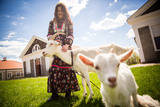 |
Посетителей фермы поместья Пакруойиса приглашают ознакомиться с работами фермы поместья XIX в.: попробовать древнейшее в мире ремесло – гончарство, стрижку овец, выделку самых красивых и теплых вещей из только что состриженной шерсти, ковку гвоздей и подков на счастье. Организуемые здесь эдукационные программы интересны как любителям истории, так и желающим хорошо провести время. |
|


