
| Нo | Название | Описание |
|---|---|---|
 |
Число голов – около 50, они все пасутся на улице, поэтому осмотреть их можно в любое время. При возможности посетители могут попробовать мясо породы Хайленд. Также посетители могут осмотреть жямайтукасов и покататься на них. Экскурсии больше рекомендованы для взрослых лиц. |
|
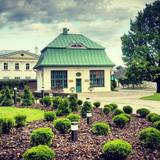 |
Музей посвящен священнику и просветителю Э. Глюку (1652 – 1705) – первому переводчику Библии на латышский язык. Единственный музей в Латвии и Балтии, в котором хранится первое издание библии переведенной на латышский язык. В экспозиции можно ознакомиться с различными изданиями Библии на 38-и языках с 1694-го года до наших дней, проповедей и другой христианской литературой. Cоздан в 1990-м году. Находится в здании торгового павильона, построенного в начале 20-го века. |
|
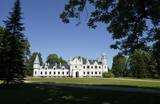 |
В отреставрированном замке Алатскиви можно познакомиться с жизнью и историей одной помещичьей семьи в экспозиции, которая проходит через три этажа. Гиды замка расскажут различные истории и легенды, можно изготовить свой личный замковый сувенир. Сказочный замок у восточной границы Эстонии ждет своих гостей! |
|
 5 дней
|
Путь пролегает по красивейшему ландшафту Балтии – через Национальные парки Гауя, Лахемаа и Матсалу, Видземскую возвышенность, а также возвышенности Отепя и Пандивере. Также в маршрут включены Мунамегис, Чудское озеро и селения по его берегам, каменистое морское побережье в Северной Эстонии, самые живописные водопады Эстонии, рыбацкие поселки. Вы увидите природные тропы, смотровые вышки и самые великолепные поместья и дворцы. Возможно дополнительно организовать сплав на лодке по рекам Ахья и Выханду. |
|
 |
Brīvdienu mājas "Korķi” apkārtnes priežu mežā ir izveidota Jāņtarpiņu taka. Ideāla vieta aktīviem sēnotājiem un ogotājiem. Savukārt saules un jūras cienītāji pa šo taku 5-10 minūšu gājienā nonāks Vitrupes pludmalē, kur varēs baudīt sauļošanās un peldēšanās priekus.
|
|
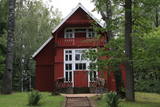 |
„Саулриеты” находится в живописном месте – на горе Инцены, где создан мемориальный музей автора легендарной латышской сказки «Кошкина мельница» Карлиса Скалбе (1879 - 1945). Музей находится в построенном в 1926 году летнем доме поэта и прозаика, где он проводил летние каникулы в период с 1926 – 1944 годы. На западном склоне находящейся рядом горы Вактскалнс в 1992 году был перезахоронен прах умершего в Швеции Карлиса Скалбе и его супруги Лизеты Скалбе, где создан своеобразный памятник в форме каменной лодки. |
|
 |
Opekalns (arī Apukalns, Opekols) ir paugurs Alūksnes augstienē, 235 metrus virs jūras līmeņa, Veclaicenes pauguraines viena no augstākajām virsotnēm. Tā virsotnē uzcelta Opekalna luterāņu baznīca (1774—1779), kas ir visaugstāk virs jūras līmeņa novietotais dievnams Latvijā. Opekalna ciemā dzimis leģendārais Dziesmu svētku virsdiriģents Haralds Mednis. |
|
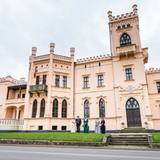 |
Построен по заказу барона Александра фон Фитингофа в период времени с 1859-й по 1863-й годы в стиле поздней Тюдоровской неоготики (один из самых значительных памятников этого стиля в Латвии) с богатой отделкой фасада известняком. Роду фон Фитингоф замок принадлежал вплоть до аграрной реформы 1920-го года. С 1921-й по 1940-й годы в помещениях замка размещался 7-ой Сигулдский пехотный полк. В настоящее время в замке находится Алуксненский музей, предлагающий постоянную экспозицию и музей природы «Лабиринт среды». Одними из самых необычных экспонатов музея «Лабиринт среды» являются флуоресцентные минералы, которые можно осмотреть в свете различных спектров! |
|
 7 дней
|
Вентспилс — один из наиболее состоятельных городов в Латвии, с отличной инфраструктурой, отреставрированным Старым городом и замком Ливонского Ордена, чистыми и хорошо оборудованными пляжами из белого песка, променадом, художественными фонтанами, цветочными скульптурами, подстриженными парками и различными достопримечательностями. Весь город ориентирован на семью, но детям больше всего нравится пляж Голубого флага, с различными качелями, горками и лесенками, а также Детским городком с зонами по интересам для различных возрастных групп. Короткая поездка на «Мазбанитисе», маленьком узколейном паровозике, — это развлечение как для детей, так и для взрослых. Поближе ознакомиться с городом и побережьем можно как пешком, так и на велосипеде, или на туристическом пароходе. Насладиться водными забавами сможете как во внутренних аквапарках, так и в аквапарках под открытым небом. Мы также рекомендуем самостоятельно совершить две экскурсии по окрестностям, славящимися живописным морским побережьем, традиционными рыбацкими деревнями, где можно купить копченую рыбу у рыбаков, Национальный парк Слитере с красивыми видами с его маяка, очаровательную Кулдигу с ее деревянной архитектурой. Езда не доставит проблем, потому что дороги относительно пустые. |
|
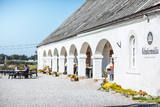 |
Находится в северной части Валмиеры. Господский дом поместья Валмиермуйжа (в стиле необарокко) в период времени с 1764-й по 1771-й год построил герцог Петер Август Шлезвиг-Гольштейн-Зондербург-Бекский. В последующие годы поместье принадлежало другим многочисленных хозяевам. По нынешним свидетельствам можем судить, что господский дом поместья в начале 20-го века представлял собой одноэтажное здание с барокальной башенкой и двухэтажным корпусом, находившемся рядом. Здание служило летним и охотничьим домом. В 1918-м году здание сгорело. Два года спустя в поместье разместился лагерь военнопленных. Позже пристройку к господскому дому восстановили и организовали в ней основную школу. В 1936-м году в здании была создана тюрьма, которая во время Второй мировой войны становится местом заключения военнопленных. Позже здание сгорает и руины сносятся. До наших дней сохранилась башня поместья, потолочная роспись помещений которой, а также парк являются памятниками культуры. В наше время рядом с историческим местом была создана пивоварня Валмиермуйжас и поместье обрело второе дыхание! |
|
 |
Хозяйка встретит вас небольшим рассказом о выращенном в хозяйстве здоровом травяном чае и испеченными ею лакомствами. Если есть желание провести ночь под открытым небом, мы предлагаем места для палаток и костров, расположенные на берегу реки возле старой мельницы Луку. Крестьянское хозяйство «Аплоки» ждет каждого, кто хочет отдохнуть в тихой и спокойной атмосфере. |
|
 4 дня
|
Профессиональный сельскохозяйственный тур, в ходе которого будет возможность ознакомиться с животноводческими хозяйствами, в которых разводят коров, овец, коз и свиней. День знакомства, в течение которого запланирован осмотр Риги – столицы Латвии (наследие ЮНЕСКО), организована встреча со специалистами Министерства земледелия Латвийской Республики, представителями негосударственных организаций сельхозпроизводителей. В первой половине следующего дня отправляемся в Курземе. Посещение крестьянского хозяйства, которое специализируется на мясном животноводстве. Специализация второго хозяйства – различные отрасли: разведение чистокровного и гибридного крупного рогатого скота на племя, откорм и производство мяса, продажа молочных поросят и производство свинины, выращивание зерновых и пищевого картофеля, а также пчеловодство. Вечером – посещение старого города Кулдиги и самого широкого водопада в Европе – Вентас румба. На следующий день отправляемся в Видземе. Первое хозяйство ведет интенсивное сельское хозяйство и специализируется на разведении крупного рогатого скота. Специализация второго сельского хозяйства – молочное животноводство, зерноводство и выращивание трав. Осмотр развалин Кокнесского замка, который находится на берегу Даугавы – судьбоносной реки латышского народа. Вечером – посещение одного из крупнейших козоводческих хозяйств Латвии. В хозяйстве разводят около 160 чистопородных коз (Альпийская, Англо, Немецкая белая благородная) и кабанчиков домашней свиньи (на племя). Экскурсия и дегустация разных сортов сыра. Утром следующего дня посетим одно из крупнейших овцеводческих хозяйств Латвии, которое одновременно является биологическим хозяйством. Здесь разводят около 250 овец Латвийской темноголовой породы. Второе хозяйство работает в двух направлениях – выращивает зерновые и семена трав и занимается молочным животноводством и разведением молодняка. Осмотр Цесисского замка. Цесисский замок был резиденцией магистров Ливонского ордена и одной из сильнейших крепостей ордена на сегодняшней территории Балтии. В завершении дня – поместье Унгурмуйжа – один из выдающихся образцов деревянного барокального строительства в Латвии 18-го века. |
|
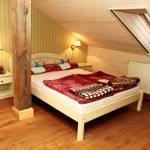 |
Усадьба расположена на месте бывшего поместья в Сянойи Гягужине на берегу реки Нерис. Посетителей приглашают полюбоваться ландшафтом, плавая по реке Нерис или катаясь на велосипедах. |
|
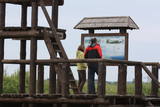 |
Reškutenu (Reškutėnai) ciema apkārtnē ir atjaunots neliels mitrājs, kura malā uzcelts putnu vērošanas tornis. Ja paveicas, pavasaros te var dzirdēt vai redzēt tādas retas un aizsargājamas putnu sugas kā ķikutu Gallinago media, ormanīti Porzana porzana, melnkakla dūkuri Podiceps nigricollis, griezi Crex crex u.c. Ciema ainava īpaši pievilcīga ir pieneņu un ābeļu ziedēšanas laikā. No putnu vērošanas torņa var redzēt vietas, kur akmens laikmetā dzīvojuši cilvēki. Blakus esošajā purvainajā pļavā bijis ezera līcis, kur tika būvēti ciemati līdzīgi kā Āraišu ezerpils gadījumā. |
|
 |
Установлен напротив Крустпилсского замка, на улице Ригас. Памятник, построенный в 1925 году и восстановленный в 1992 году (автор A. Бирзниекс), установлен в честь павших крустспилсчан в боях за свободу Латвии. Отсюда приоткрывается вид на Маленькую Даугаву, Даугавсалиню и островок Адамсона (Крустспилс). |
|
 |
В уезде Пылвамаа ‒ на обочине исторического почтового тракта ‒ находится крестьянская кухня и дом отдыха Kopli, где царят радость и приятные вкусы. Крестьянская кухня Kopli предлагает гостям провести время в уютной атмосфере и воспользоваться услугами частного ресторана. В летний период работает кафе. Здесь круглый год делают мороженое типа джелато. |
|
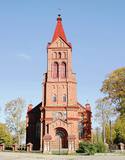 |
Цискадский Римско-католический костёл Св. Иоанна Крес-тителя
построен в романском стиле в 1900 году из камня и красного кирпича. В
костёле находятся картина „Мадонна с младенцем”, распятие и орган.
|
|
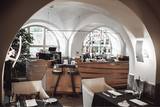 |
Pасположен в здании с богатой историей. Когда-то здесь находился рыбный рынок, и это оказало свое влияние на направление ресторана. Ресторан предлагает широкий выбор рыбных блюд и морских деликатесов, а также изысканные блюда из мяса. В наличии также вегетарианские блюда и детское меню. |
|
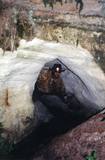 |
Vairāki dažus metrus augsti smilšakmens atsegumi, kas izveidojušies Stiglavas (Stiglovas) strauta gravas nogāzēs. Kaut arī teritorija tiek popularizēta kā tūrisma objekts, tajā nav īpašu šim nolūkam paredzētu labiekārtojumu. Teritorijas apmeklētāji bojā smilšakmens atsegumus, kas ir aizsargājami biotopi!
|
|
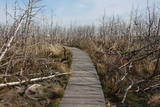 |
Nahe der Beerkopfdüne ist im Frühling 2006 „ein Brand der Jahrhunderte” gewessen. Es wurde der hundert Jahre alte Wald in der Fläsche von 235h ausgebrannt. Ein Pfad mit Holzbelag. |
|


