
| Нo | Название | Описание |
|---|---|---|
 |
Farm is located ~1 km to the north of Puikule near to the former Limbazi railway, in the territory of North Vidzeme Biosphere Reserve. The farm breeds sheep of the Latvian dark-head breed from which wool, hats, scarves, souvenirs etc. are made by felting. They can be purchased in the farm. Sheep graze in nearby meadows, thus promoting plant diversity in the area. About the role of pets in maintaining biodiversity can also be read on the bench in the yard. In the barn house is a collection of household items. Visitors can take a guided tour and buy souvenirs. |
|
 12 дней
|
This is the longest of the Forest Trail tours, where you will hike on many beautiful forest nature trails in Latvia and Estonia. These nature trails are part of the Forest Trail and this tour is suitable for self-drive tourists, who wish to hike different sizes of trails and get an impression of the forest diversity in both countries. You have the possibility to see the northern coniferous forests with spruces and pines, broadleaf forests, wet floodplain forests and picturesque forests growing on slopes and ravines. You will also see the most interesting tourist sights in Latvia and Estonia, which are close to the Forest Trail. In Latvia you will visit Sigulda, the historic Ligatne papermill village, medieval Cesis, the River Amata valley, which is located in Gauja National Park. Then you will drive to the less populated eastern part of Latvia – the Northern Gauja protected landscape area, Aluksne Town and hike in the Korneti-Peļļi subglacial depression, one of the most impressive ravines in Latvia. You can climb to Drusku castle mound – the highest and steepest of all the castle mounds in Latvia, When entering Estonia, you will see the highest point of the Baltics – Suur Munamagi Hill, where the observation tower is built. Further on the tour will lead you to the River Piusa valley, Obinitsa, with the culture of Seto people. You will hike in the historic Varska resort town, which is very close to the Russian border. Then you will reach Tartu and Lake Peipsi, which is the 5th biggest lake in Europe. You will hike in the Kurtna landscape reserve, see the Ontika limestone cliff, Valaste waterfall – the highest in Estonia. Finally you will hike in one of the beautiful wooded areas in Estonia – Lahemaa National Park. The tour ends in Tallinn, where you can enjoy the medieval Old Town and many other attractions. |
|
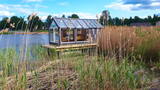 |
Million star hotel ir videi draudzīgi namiņi, kas atrodas uz pontoniem Viļakas ezera krastā un aprīkoti ar visu nepieciešamo patīkamai atpūtai. Iespējams izvēlēties klasiskā jumta bungalo ar vinila plašu atskaņotāju vai stikla jumta bungalo, kas piedāvā zvaigžņu vērošanu caur teleskopu. Pieejama e-velosipēdu, SUP dēļu, laivu un velosipēdu noma, iespējams izbaudīt arī pirti. |
|
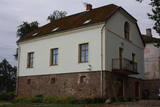 |
Krogus un Brengūža ezeru un Drustu parka ieskāvumā samērā plašā teritorijā „izmētātas” Drustu muižas ēkas. Muižas kungu māja celta 1787. g. Līdz mūsdienām dažādā stāvoklī ir saglabājusies pārvaldnieka māja (19. gs.), klēts (ar kolonnām), krejotava, brūzis, smēde, magazīna, sķūņi u.c. ēkas. Muižas Kavalieru namā ierīkots viesu nams. Interesanti, kāda izskatītos Latvijas lauku ainava, ja tajā šodien nebūtu saglabājušās muižu kompleksi, kas tiek izmantoti vēl joprojām? |
|
 |
Находится на восточном берегу крупнейшего в Латвии Лубанского озера, откуда приоткрывается великолепный вид. Хозяева готовят блюда из свежей пресноводной рыбы по рецептам предков и по своим придуманным рецептам. Латышская кухня: Каша с домашним вареньем, рыбный суп, котлеты из леща или щуки, копченые карпы, тушеная дикая утка, тушеная лосятина, молоко с лесными ягодами. Особое блюдо: Запеченный в духовке судак с картофелем или овощами. |
|
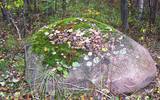 |
Камень Ажмугурас – коричнево-серая треугольная каменная
призма напоминает спину козла.
|
|
 2 дня
|
В первый день посетите ферму, специализирующуюся на разведении коз и приготовлении эксклюзивного сыра, ферму, которая на протяжении многих поколений выращивает и перерабатывает коноплю, производителя ягод и фруктов, а также традиционных ловцов миноги. На следующий день, примите участие в мастер-классе со знаменитыми шеф-поварами в ресторане в Риге, где все эти ингредиенты будуте использованы для приготовления блюд высшего сорта. |
|
 |
Linezera dabas takā apskatāms ezers, kurš mēdz pazust pazemē. Apmeklējums saskaņojams ar zemes īpašnieku. |
|
 |
Хозяйство «Межвиди» (ООО «Латгалес дарзеню логистика») свою деятельность начало уже в 2007 году и в данный момент предлагает вкусные и полезные красные томаты на веточках. Хозяева хозяйства «Межвиди» и в дальнейшем планируют выращивать томаты и доставлять покупателям непосредственно в зимние месяцы, когда полезные и богатые витаминами овощи более всего необходимы. Стиль работы предприятия открыт для активного содействия сотрудничества представителей в области овощеводства и ознакомления общества с процессом выращивания томатов. |
|
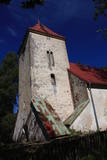 |
Iespaidīgais un monumentālais dievnams uzcelts 1816. gadā. No baznīcas nozīmīgākajām interjera detaļām ir saglabājušās ērģeles, altārglezna, lustra un kroņlukturis. Jāpiebilst, ka baznīca savā pastāvēšanas laikā nav pārtraukusi savu darbību. |
|
 |
The area is in the centre of the Teirumnīki swamp, alongside a lake of the same name. There is a wooden footpath that crosses the swamp (800 metres). This is an excellent opportunity to study a high swamp, a swamp lake, and the surrounding environment.
|
|
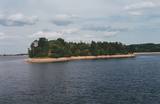 |
Каньон Даугавы от Плявиняс до Кокнесе до затопления был одним из лучших и красивейших форм Балтийского рельефа, а Олинькалнс - одним из крупнейших городищ в Латвии, 20-метровая скала (скала Андрея) которого была частью каньона Даугавы. До затопления у Олинькална на Даугаве был большой порог, что затрудняло работу сплавщиков. В наши дни Олинькалнс - это маленький остров в водохранилище Плявиньской ГЭС (зная это, его можно заметить с шоссе Рига – Даугавпилс (А6) напротив Стукмани), отделенный от берега речным рукавом шириной 0,3 км, под которым на дне покоится Иловая низина. На острове сохранился небольшой вал городища, остатки эстрады и обнажение доломита высотой в несколько метров – остатки скалы Андрея. Считается, что на Олинькалне в 13 веке находился замок Аленес. У Даугавы напротив Олинькална установлен камень, который в 1989 году установили латвийские альпинисты. |
|
 |
Pirts rituāli, zāļu tējas, izglītojoša pastaiga dabā, siena viesnīca. |
|
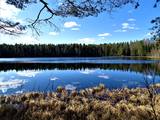 |
Ķekavas novadā, Daugmales pagastā atrodas jauka atpūtas vieta - Lejas ezers. Ezeram var apiet apkārt, taka nav marķēta un iešana ir pa mazām meža taciņām. Slapjākā laikā taciņas vietām var būt mitras un dubļainas. Pastaiga aizņems aptuveni stundu. Pie ezera ir iekārtotas vairākas piknika vietas. |
|
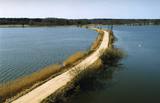 |
This territory is to the North of Skrunda, and it is an important location for water birds during their migration. Northern swans nest in the ponds, and sea eagles and other birds such as falcons and plovers use them for feeding. This is a good place for bird-watching, although it has not been particularly structured for that purpose. |
|
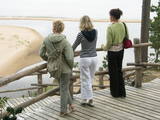 |
At the estuary of the Inčupe River, there is the White Dune, which is around 18 metres high and is the most lovely element of the Vidzeme shoreline among those that have been created by the wind, sand and sea. There is a wooden footpath (the Saulriets trail) which is meant to view, but also protect the dune. It has a viewing area, too. The territory to the south of the river is in the Piejūra Nature Park.
|
|
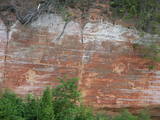 |
One of the most popular areas of uncovered sandstone in Latvia, known for its unusually smooth and sound-reflecting cliff wall (around 12m in height). Located on the right bank of the Salaca river, there is a place for tenting. A fun experiment is to stand in various closes opposite the cliff and to speak quietly. The echo will be heard either by the speaker or by people who are standing elsewhere. Located in the Salaca valley nature park and the Skaņaiskalns park.
|
|
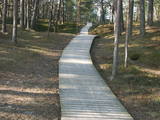 |
The nature reserve “Plieņciema kāpa” is founded in 1987 and covers 60.6 hectares of land. Since 2005 it is a Natura2000 site. The nature reserve protects a 150-200m wide and 3.5km long part of a distinct, continuous dune rampart. The dunes shelter Plieņciems village protecting from sea winds. The key natural values here are rare and protected biotopes of national and European significance: “Wooded dunes of the coast 2180” in the area of 61.8 ha, “Fixed dunes with herbaceous vegetation, 2130 (grey dunes)” in the area of 8.27 ha, “Shifting dunes along the shoreline with Ammophila arenaria (white dunes) 2120 in the area of 3.20 ha”, “Black alder swamp forests 9080”, ) in the area of 2,68 ha, as well as rare and protected species of Latvian and European significance including eastern pasqueflower (pulsatilla patens), Rolling Hen-and-chicks(Jovibarba sobolifera), Nothorhina muricata, Wryneck (Jynx torquilla), Woodlark (Lullula arborea). In the nature reserve, there is a “Vabu square” – a deflation in the dune where for centuries local fishermen have been drying nets. In the 18th and 19th centuries ships were built here. Nine ships have been built here in 1882 - 1925. The four-masted gaff-rigged schooner with hoisting engine “Eurasia” was completed in 1925, the largest ship built by the Kurzeme fishermen. It was one of the works of Martin Morgenstern (1866-1945), a famous shipbuilding master. Thanks to dunes, Plieņciems village was a popular holiday resort and has been mentioned in written sources already in 1738. Clergymen and landlords with their families used to stay here. In 1808, a merchant from Riga bought the local pub and replaced it with a massive two-storey building with a large ball-room and dining hall. On July 15, 1810, a sea bathing facility was opened for health treatment. For arrival of the empress Elisabeth Alexeievna, the wife of emperor Alexander I of Russia, who was a grandson of Catherine the Great, the road from Tukums town was repaired, the two highest hills were levelled, a road passage was dug across the Plieņciems dune, and a lime-tree alley was planted to facilitate access to the beach and bathing spot. Later, in 1920ies, the resort circles consisted mainly of the Kurzeme region landlords. There was a dance-floor in the park of Plieņciems village, and a special orchestra played music for resort guests three times a day. |
|
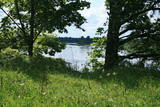 |
Важное место для истории Латвии, так как в 12 - 13 веке здесь находился административный и духовный центр древней Латгальской земли – Ерсика. Замок правителя Ерсики Висвалдиса возвышался на крутом берегу Даугавы высотой 18 метров. Площадку городища (100 × 75 м) окружал вал и деревянная защитная стена. Внутрь можно было попасть через охраняемые ворота, за которыми располагались жилые и хозяйственные постройки и даже небольшая церковь. В городище проводились археологические раскопки, во время которых были обнаружены остатки срубов, а также многие другие артефакты 10 - 13 века, свидетельствующие об активных торговых отношениях, в том числе с Древней Русью. В 1209 году войско епископа Альберта обманом заняло замок и древний город Ерсика. Семью правителя Висвалдиса берут в плен, поэтому латгальский король вынужден стать вассалом епископа. Территория городища находится в частной собственности, поэтому его посещение необходимо согласовать с собственником. |
|
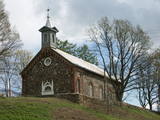 |
На западном берегу озера Цирма возвышается построенная из валунов в 1830 г. церковь. Известность ей принесла картина с изображением Девы Марии, которой приписываются чудотворные способности. Поэтому это - популярная конечная цель паломников. |
|


