
| Нo | Название | Описание |
|---|---|---|
 |
Pļaviņās, pie Daugavas ielas, Daugavas krastā uz laukakmeņiem novietots plosta modelis ar stendu (2011. gads, biedrība „Kopsolis”), kur izlasāms stāsts ar plostnieka atmiņām un aplūkojamas vēsturiskās plostnieku fotogrāfijas. Daugavas posms starp Pļaviņām un Koknesi bija visgrūtāk pārvaramais plostnieku šķērslis ar krācēm un līdz 20 m augstiem, klinšainiem upes krastiem. |
|
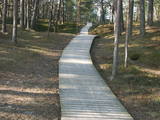 |
The nature reserve “Plieņciema kāpa” is founded in 1987 and covers 60.6 hectares of land. Since 2005 it is a Natura2000 site. The nature reserve protects a 150-200m wide and 3.5km long part of a distinct, continuous dune rampart. The dunes shelter Plieņciems village protecting from sea winds. The key natural values here are rare and protected biotopes of national and European significance: “Wooded dunes of the coast 2180” in the area of 61.8 ha, “Fixed dunes with herbaceous vegetation, 2130 (grey dunes)” in the area of 8.27 ha, “Shifting dunes along the shoreline with Ammophila arenaria (white dunes) 2120 in the area of 3.20 ha”, “Black alder swamp forests 9080”, ) in the area of 2,68 ha, as well as rare and protected species of Latvian and European significance including eastern pasqueflower (pulsatilla patens), Rolling Hen-and-chicks(Jovibarba sobolifera), Nothorhina muricata, Wryneck (Jynx torquilla), Woodlark (Lullula arborea). In the nature reserve, there is a “Vabu square” – a deflation in the dune where for centuries local fishermen have been drying nets. In the 18th and 19th centuries ships were built here. Nine ships have been built here in 1882 - 1925. The four-masted gaff-rigged schooner with hoisting engine “Eurasia” was completed in 1925, the largest ship built by the Kurzeme fishermen. It was one of the works of Martin Morgenstern (1866-1945), a famous shipbuilding master. Thanks to dunes, Plieņciems village was a popular holiday resort and has been mentioned in written sources already in 1738. Clergymen and landlords with their families used to stay here. In 1808, a merchant from Riga bought the local pub and replaced it with a massive two-storey building with a large ball-room and dining hall. On July 15, 1810, a sea bathing facility was opened for health treatment. For arrival of the empress Elisabeth Alexeievna, the wife of emperor Alexander I of Russia, who was a grandson of Catherine the Great, the road from Tukums town was repaired, the two highest hills were levelled, a road passage was dug across the Plieņciems dune, and a lime-tree alley was planted to facilitate access to the beach and bathing spot. Later, in 1920ies, the resort circles consisted mainly of the Kurzeme region landlords. There was a dance-floor in the park of Plieņciems village, and a special orchestra played music for resort guests three times a day. |
|
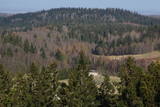 |
This park was set up to protect the landscape and cultural environment of the Haanja highland. At the central part of the park are the two highest hills in the Baltic States – Suur Munamägi, which stands 318 m above sea level, and Vällamägi, which is 304 m above sea level. The ancient Rõuge River valley (Rõuge ürgorg) is found in the western part of the park. It is 7.5 km long and up to 60 m deep. The valley dates back to the Ice Age, and it has seven lakes, including the deepest one (38 m) in Estonia – Lake Rõuge Suurjärv.
|
|
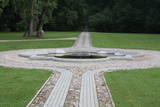 |
Небольшой населенный пункт на берегах Даугавы между Айзкраукле и Яунелгавой. Окрестности Скривери связаны с жизнью и работами популярного латышского писателя А.Упитиса. Недалеко от Скривери находится старейший в Латвии дендрарий. К его созданию в 1891 году приступил хозяин Скриверского поместья Максимильян фон Сиверс. Дендрологический спектр парка насчитывает около 400 пород, сортов и форм растений. Один из великолепнейших видов на Даугаву открывается с гор Крауклю – с верхней части крутого правого коренного берега Даугавы, являющимся древним городищем. |
|
 |
Один из наиболее своеобразных исторических объектов Бигауньциемса. Начинается на берегу моря, продолжается как улица с таким же названием, пересекает Вецслоцени (моста нет, но пешеходы и велосипедисты могут перейти), и как лесная дорога тянется до Мелнэзерса (Черного озера). |
|
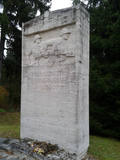 |
Находится на обочине шоссе Р 100 (недалеко от шоссе А 8, направление на Озолниеки и Елгаву). Памятник посвящен стрелкам 6-го Рижского пехотного полка, павшим и пропавшим без вести в боях с бермонтовцами 17-го ноября 1919-го года возле бывшей основной школы Скуяс. Памятник (автор Николай Войт, автор барельефа Мартиньш Шмалцс, консультант Карлис Зале) был открыт 24-го октября 1937-го года. Его отреставрировали в 2009-м году. |
|
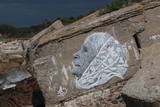 |
Северные форты, располагающиеся на самом берегу Балтийского моря (частично смыты), только небольшая, но впечатляющая часть уникальной системы фортификации Лиепаи, опоясывающей город по всему периметру. Подземные бункеры фортов имеют два этажа, и пройтись по ним стоит в сопровождении опытного гида Военного порта (организованные экскурсии от тюрьмы Военного порта). Рядом с фортами имеется автостоянка. Осматривая Северные форты, стоит совершить пешую прогулку по 4-километровому морскому берегу до Лиепайского Северного мола, откуда на морском берегу и в море впечатляюще смотрятся две батареи береговой обороны.
|
|
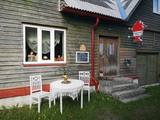 |
The Samovar House is a small samovar museum located in the Old Believers’ village near Lake Peipus, which has a private collection with more than 100 different and very special samovars and objects related to samovars.
|
|
 16 дней
|
This long-distance tour follows the Baltic Coastal Hiking Route from the Lithuanian coast, starting on the island of Rusnė and continuing to the Curonian Spit, running along the Baltic Sea coast to Cape Kolka and finally reaching Rīga. On this route you will hike some sections of the Baltic Coastal Hiking Route and experience the diversity of coastal landscapes: rocky beaches, steep shores, overgrown beaches, bird migration sites, vast sandy beaches. You will walk on solitary beaches with no-one in sight for several kilometres just to suddenly find yourself in lively resort towns. There are both sections of hiking and bus transfers along the route. Initially you will visit the peculiar island of Rusnė with its bird migration sites, observation towers and the delta Crossing the Lithuanian/Latvian border on foot you will stop over at the Pape Nature Park and enjoy its lighthouse, wild horses, the authentic fishermen village and local museum. The walk on lone beaches takes you to the top of the highest dune in Latvia – the Pūsēnu dune – and afterwards continues to reach the village of Bernāti. Next on the route is the windy seaside city of Liepāja, also known as the Latvian capital of rock music. Karosta is another distinctive site in Liepāja – it is the former military town and nearly every street of this part of the city has some footprints of its military heritage. Heading further, your feet will take you through the solitary beaches of Ziemupe to the village of Pāvilosta. If you are lucky, you might find some ambers washed ashore. Pāvilosta is a small charming village with a marina and some notes of smoked fish lingering in the air. Moving on, from Ventspils through Slītere National Park, through the Livonian fishermen villages to finally reach the Kolka Cape – the meeting point of the Baltic Sea and the Gulf of Riga. Also, a top site for bird watching. At the end of the tour, the Baltic Coastal Hiking Route leads to Engure Nature Park, meandering through reed trails running between the villages of Mērsrags and Engure. The tour ends in Jūrmala with its wide sandy Beaches, the bustling urban life of a resort town, impressive villas and summer cottages, and the Ragakāpa Nature Park in the resort’s neighborhood Lielupe. |
|
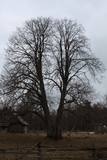 |
An impressive two-trunk tree at the Nigliņi homestead, this is one of the most impressive trees on the Liv Shore. The Liv language teacher Zoja Sīle was born here. The Medieval Old Cemetery Hill – once used as burial grounds – is nearby. |
|
 |
Жемчужина архитектуры курземского барокко и классицизма, сохранившая уникальные интерьеры XVIII столетия. Сидроварня и винодельня расположены в сводчатых подвалах Кабильской усадьбы, которые еще во времена барона использовались для хранения вин. |
|
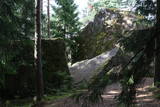 |
Die Größe dieses Feldsteins ist eindrucksvoll, obwohl er nach dem Volumen (262 m3) nur der 16. größte Feldstein Estlands ist. Die Länge beträgt 10,7 m, Breite – 6,5 m, Umfang – 27,8 m. |
|
 |
Могила Менессмейтини Райниса (Иды Апсане) находится на старом лютеранском кладбище (в 0,2 км к северу от Лашской лютеранской церкви). На памятнике И. Апсане помещен следующий текст: «Ида Марие Aпсан род. 23 марта 1867 сконч. 10 апреля 1887». На Лашском кладбище захоронены и другие члены ее семьи.
|
|
 |
Во время экскурсии идет ознакомление с разведением лаванды, представляют продукцию, производимую на ферме, угощают чаем. Гости имеют возможность прогуляться и сфотографироваться в поле лаванд, отдохнуть в уютной и ароматной атмосфере «В стиле прованс». |
|
 1 день
|
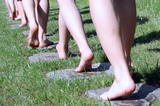
The Barefoot Path begins at the Valguma Pasaule Recreation Centre by Lake Valgums, which is surrounded by forest. The recreation centre includes a hotel and restaurant, and offers nature-based services such as the Barefoot Path and other walking trails. The Barefoot Path is a 2.6 km long trail through the natural environment, along which visitors walk barefoot and experience a variety of surfaces including pine cones, glass balls, small stones and shingles of various shapes, moss, fine sand, clay, river water, turf, gravel, reeds, chipped wood, pinewood logs, wooden poles and millstones. Walking barefoot has a number of positive health effects: it strengthens the immune system; it improves blood circulation and stabilises blood pressure; it strengthens the leg and foot muscles, joints and ligaments; and it enhances relaxation, and aids mental and physiological stability. The walk is led by an English-speaking guide. Before the walk, visitors receive a briefing. It is recommended that visitors wear comfortable outdoor clothing, appropriate for the weather. After walking the barefoot path, visitors usually feel energised, strong and happy. The walk finishes with a relaxing herbal foot bath. |
|
 |
Das Gedenkzeichen in Ošvalki, das den lettischen Flüchtlingen (1944 – 1945) gewidmet ist, die über die Ostsee in Fischerbooten nach Schweden geflüchtet sind. |
|
 |
Легендарный ресторан Halinga расположен на обочине шоссе Via Baltica в получасе езды из Пярну в сторону Таллина. Ресторан гостеприимно открывает свои двери и для спешащих водителей, и для организации мероприятий, в том числе рассчитанных на большие группы. Здесь стараются использовать как можно больше местных продуктов, а еду готовят по местным рецептам. |
|
 |
Atrodas Rucavas – Bārtas ceļa malā (pagrieziens uz Bārtas Romas katoļu baznīcu). Veltīts melioratoram Arvīdam Manfeldam – bijušā Liepājas rajona meliorācijas uzņēmuma priekšniekam kā pateicība no vietējiem iedzīvotājiem par ceļiem un tiltiem. |
|
 |
Трактир, расположившийся в деревянном срубе, стоящем на въезде в Сигулду, позволяет прочувствовать латышский дух в интерьере и насладиться едой в латышском стиле. В трактире бережно сохраняются традиции и качество приготовления блюд латышской кухни. Латышская кухня: Суп из кислой капусты, филе судака, котлеты из щуки, свиной язык, свиные ребрышки, домашние котлеты, картофельные блины, слойка из черного хлеба, в меде печеный черный хлеб, печеное яблоко, домашнее мороженое. Особое блюдо: «Стейк от Буцефала», «Мороженое от Буцефала». |
|
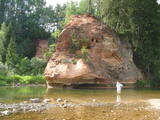 |
This is one of the most beautiful and popular tourism locations in Vidzeme. The cliff is 45 metres high, and the height of the lovely open-faced portion is around 20 metres high. You can look at the wide and deep Amata River valley and its forested banks.
|
|


