
| Нo | Название | Описание |
|---|---|---|
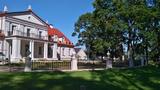 |
Парк усадьбы Ильзенберг отличается смешанной планировкой и сохранился в почти первозданном виде — таким, каким он был создан во второй половине XIX в. на живописном месте с выразительным рельефом, между озерами Апваласас и Ильгис. При восстановлении парка была сохранена его пространственная структура. Парк занимает 10 га и состоит из двух частей. Первая — это сравнительно правильная прямоугольная территория у дворца, ограниченная рядами сердцевидных лип и пейзажными группами местных и интродуцированных деревьев. Вторая часть представляет собой зеленые насаждения по типу естественного леса. Старый дуб из парка усадьбы Ильзенберг объявлен объектом природного наследия и находится под охраной государства. Охват ствола этого гиганта составляет 6,3 м, диаметр — 2 м, а высота — 30,5 м. |
|
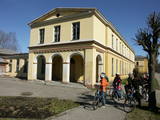 |
В исторических хрониках Кемери (Kemmer) впервые упоминается в 1561 году. Со второй половины XVIII и начала XIX вв. хорошо известны целебные свойства Кемерских серных источников и грязей местных болот, поэтому сюда на лечение отправляются представители Курземских высших кругов. Гостей принимают местные лесники. В это время происходят первые грязевые купания. Развитие юрмальских и кемерских купальней на какой-то момент приостанавливает Отечественная война 1812 года. Два десятилетия спустя, с 1833 по 1835 год, пользу от процедур испытал генеральный губернатор Балтии граф K. M. Пален, который обратился к российскому царю Николаю I за поддержкой для дальнейшего развития курорта. Просьба была удовлетворена, и в 1836 году царь отпускает 700 га государственной земли и предоставляет 100 000 рублей на строительство лечебницы и мощение дороги от Кемери до большака Слока - Тукумс. Два года спустя (1938 г.) открывается первое государственное купальное учреждение. Эта дата считается годом основания курорта. Слава о курорте распространяется во всей Российской империи, и курорт становится все популярнее. В несколько этапов формируется Кемерский ландшафтный парк, являющийся важной составляющей курорта. В середине и во второй половине XIX в. дальнейшему развитию курорта способствуют как движение пароходов, так и движение по железной дороге, открытой в 1877 году от Риги до Тукумса. В 1912 году открывается прямая железнодорожная линия Кемери - Москва. Незадолго до Первой мировой войны количество пациентов в год достигает 8300 человек. Линия фронта Первой мировой войны держится в болоте Кемери несколько лет, и курорт основательно разрушается. Невзирая на это, после войны происходит быстрый подъем, и Кемери становится любимым местом отдыха жителей Риги и одной из самых модных Европейских здравниц. В 1924 году в Кемери строят новое купальное учреждение с грязевыми ваннами, которое на тот момент является одним из современнейших в Европе, а в 1936 году Президент Государства Карлис Улманис открывает одно из выдающихся зданий времен Первой независимой Латвии – гостиницу «Кемери». После Второй мировой войны, в советское время, курорт значительно расширяется, и в его окрестностях открываются почти 10 санаториев, в которых работают около 100 врачей. В 1971 году Кемери присваивается статус курорта Всесоюзного значения. С 1975 по 1985 гг. в Кемери создается крупнейший из санаториев – «Лива» (первоначально – «Латвия»), имеющий два 11-этажных корпуса. В «Ливе» одновременно могли проходить лечение до 1200 пациентов, а в течение года - до 140 000 пациентов. В начале девяностых годов XX столетия санаторий закрыли как нерентабельный. Вплоть до 1994 года в Кемери действуют пять санаториев: «Чайка», «Даугава», «Дзимтене» (Родина), «Кемери» и «Лива» (Латвия) и курортная поликлиника «Кемери». Более позднее время можно рассматривать как своего рода закат Кемери в качестве крупномасштабного лечебного курорта. |
|
 |
Торфяной железобетонный завод.
Сейчас с этого места открывается
заброшенный и своеобразный
промышленный ландшафт. Проезжая через
территорию завода, следите за
маркировкой.
|
|
 |
В «Мятном домике» имеется возможность попробовать разные мятные чаи, печенье, зефир, мёд с мятой и мятный сироп. В творческих мастерских производят мыло из перечной мяты, мятой расписывают тарелки, делают украшенные в технике декупажа свечи и многое другое. Из перечной мяты хозяйка делает также мятный порошок и тоник для лица. |
|
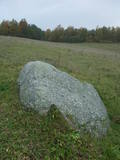 |
This nature park features the most beautiful and distinct parts of the Vanema hillocks in Northern Kurzeme, and the aim is to protect the hillocks of Talsi. This is one of the loveliest parts of Kurzeme, with small but distinct hillocks and ravines among them. There are small but fairly deep lakes in the area – the Lake Ābeļi, Lake Čumals, Lake Sirdsezers, etc. Some of them are reminiscent of nothing other than deep craters. The territory is very good for active tourists – hikers (there are nature trails), bicyclists, etc. |
|
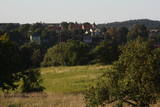 |
The hill is the highest point on the shores of the little Slocene River valley, and it is located in Tukums, at the side of Jelgavas Street. It opens up a broad view of the Slocene River valley and the town of Tukums with its historical centre on the opposite side of the valley. The view is particularly interesting in the evening, when the town is lit up. There is a monument to the liberators of Tukums.
|
|
 |
Расположен на территории Даугмале, которую омывают воды Даугавы. Благодаря этому пчелы могут собрать и принести высококачественный мед, который неоднократно завоевывал признание на латвийских конкурсах, а также другие продукты пчеловодства. |
|
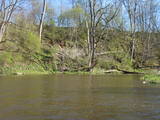 |
Small sandstone outcrops on the shores of the Ciecere River. Fish fossils have been found here.
|
|
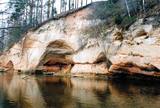 |
This is one of the most beautiful ancient river valleys in Estonia – 12 km long with nearly 40 revealed Devonian sandstone cliffs. Among these, the most important ones are Viira müür, Kalamatu müür, and Põdramüür.
|
|
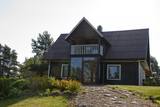 |
Ciemos gaidīti gan pāri, gan ģimenes, gan draugu kompānijas. Lauku sēta sastāv no piecām ēkām. Neskartā daba un tīrais gaiss ļaus atpūsties pilnīgā klusumā. Ap 50 m no Šventosios (Svētās) upes atrodas galvenā ēka, kurā ir divas guļamistabas ar tualeti un dušu nakšņošanai līdz 10 personām. Pirts namiņš būs ērts draugu lokam līdz 9 cilvēkiem. Pieejami trīs jauni VIP namiņi 2-4 cilvēkiem upes krastā. Piemērota vieta kāzu, dzimšanas dienu u.c. svinībām. |
|
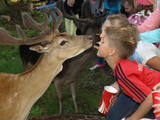 |
Сейчас в просторных вольерах парка живут около 200 оленей. Рядом построена крупнейшая в Балтии сортировочная для оленей. Хозяин предлагает понаблюдать и познакомиться с животными в непосредственной близости, организуются познавательные детские лагеря, консультируют по вопросам выращивания животных. |
|
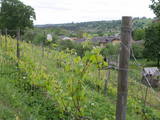 |
На месте городища Сабиле уже в X веке находился древний укрепленный город. После раздела земель куршей, Сабиле отошло к Ливонскому ордену, который построил каменный замок (не сохранился). В письменных источниках Сабиле впервые упоминается в 1253 г. В XV веке вокруг замка начало образовываться поселение. Права города Сабиле получил в 1917 году. Теперешний Сабиле - небольшой провинциальный городок, в окрестностях которого находятся многие известные культурно-исторические памятники. Неотъемлемая составная часть культурной среды города Сабиле - цыгане, поэтому город в простонародье зовется цыганской столицей Латвии. Сабиле издавна известен своими традициями выращивания виноградной лозы и виноделия, которые возрождаются и которыми наслаждаются во время Сабилского праздника вина. |
|
 |
Ar mežiem, purviem un ezeriem (Riču, Sila u.c.) bagāta teritorija Latvijas - Baltkrievijas pierobežā. Galvenās aizsargājamās dabas vērtības - dažāda veida purvu, mežu un ezeru biotopi un tajos mītošās augu un dzīvnieku sugas. Ezeru krastos, kurus iecienījuši vietējie atpūtnieki, atrodas vairākas naktsmītnes. Ilgas muiža (celta 19. gs. kā medību pils) ir Daugavpils Universitātes studentu prakses vieta. Silenes dabas parkā ietilpst arī Glušonkas purva un Ilgas dabas liegumi.
|
|
 |
This is an area that is full of legend and tale. There is a stiff hillock, which stands about 66 metres above the surrounding land. From its southern side, you can see the Burtnieki lowlands. The tower, however, is not open to the public.
|
|
 2 дня
|
Гауя — это самая красивая река в Латвии, с впечатляющей речной долиной, доходящей в глубине до 80 метров. Живописные обнажения пород песчаника возвышаются над рекой. Гауя — это спокойная река, с всего лишь несколькими маленькими порогами. Катание на лодке для отдыха здесь замечательно. Между Цесисом и Сигулдой, Гауя течет через Национальный парк Гауя. На берегах реки находятся несколько хорошо оборудованных причалов для лодочников, со скамейками, столами, местами для костров, хворостом и информационными стендами. На пути встретятся несколько достопримечательностей культурного наследия — старомодный паром Лигатне, средневековый замок Турайда и поместье Кримулда. |
|
 |
Saimniecība ir neliela un atrodas laukos, klusā vietā. Līdz ar to pilnīgi dabiski tiek nodrošināta mierīga un relaksējoša saskarsme un darbs ar zirgiem. Piedāvā izjādes ar diviem zirgiem, organizējam sacensības pajūgu braukšanā. Vasaras periodā nodrošina zirgiem pansiju. Atrodas tikai 4,5 km no valsts nozīmes A9 ceļa Rīga- Liepāja un 16 km attālumā no Rīgas Zoodārza filiāles „Cīruļi”. Vasarā ir ugunskura vieta, nakšņošanas iespējas teltīs. |
|
 |
Расположено в центре Талси около Церковной площади. Латышская кухня: Фасолевый, щавелевый и холодный супы, перловая или гороховая каша, букстиньпутра, тушеные овощи и мясо, домашние котлеты, серый горох с салом, свиные ребрышки, картофельные блины, мусс, кисель с молоком. |
|
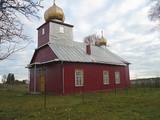 |
Моленная Нотренской старообрядческой общины. Построена
в 1928 – 1931гг. вместо старой, которая была возведена в 1853
году.
|
|
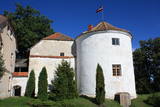 |
Впервые Алсунга как древний край земли куршей Бандава упоминается уже в 1230 году в тексте договора вице-легата папы Римского с куршами. В 1341 г. в Альшвангене (историческое название) построена укрепленная крепость (ein festes Haus), а в 1372 г. начинается возведение каменного замка (четырехугольной формы), в котором жил поданный Кулдигского комтура князь Ливонского ордена. Сначала восточный корпус замка использовался как жилые помещения, южный корпус - для хозяйственных нужд. Позднее, c XV по XVIII вв., достраивались оборонительные башни и остальные части замка. Объем замка (стиль барокко) с двумя башнями является довольно внушительным. Замок является уникальным для Латвии и за ее пределами благодаря тому, что он – один из тех редких средневековых замков, которые частично сохранились до наших дней в своей исторической форме. В замке вы можете осмотреть экспозицию об истории Алсунгского замка, увидеть суйтскую кухню, написать письмо с помощью пера в будуаре Барбары и отпраздновать какой-то особенный для вас праздник в романтической атмосфере в круглой башне замка.В 2018 году в замке начались реставрационные работы, и он закрыт для осмотра. Однако желающие могут смотреть замок снаружи, а также исследовать внутренний двор. |
|
 |
Сельский двор, расположенный на берегу Даугавы, выращивает разные ягоды, яблоки и груши. Гости могут зайти в сад, попробовать и купить выращенную продукцию. |
|


