
| Нo | Название | Описание |
|---|---|---|
 |
Кафе находится на первом этаже в гостевом доме «Зитари» в городе Рое, на обочине дороги, в 500 м от моря. |
|
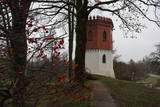 |
С XV века в Приекуле правил род баронов Корфов. Один из них – Иоганн Альберт Корф (1697 - 1766.) был президентом Петербургской Академии наук (1734 - 1740 гг.), дипломатом и литератором, который занимался исследованием истории Курземе. Приекульский замок находится на западе от улицы Айзпуте, на берегу реки Вирга. Первоначально дворец господской усадьбы построили в XVIII веке, а в конце XIX века велись большие работы по перестройке здания (проект Пауля Макса Берчи). В здании находится Приекульская средняя школа. Примерно в 100 м к востоку от господской усадьбы возвышается смотровая башня усадьбы (построена в конце XIX века), над которой развевается государственный флаг Латвии. |
|
 |
Старые торфяные карьеры –
следующее место за Кемери, где гораздо в
больших количествах (г.о., во время первой
независимости Латвии) добывался торф.
|
|
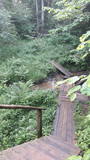 |
Šis avots ir pazīstams kopš seniem laikiem. Kalpo kā laba dzeramā ūdens ņemšanas vieta. |
|
 |
Piemājas saimniecība nodarbojas ar augļkopību un biškopību! |
|
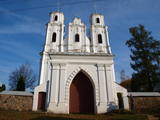 |
Находится на правом берегу Даугавы. С разных мест Пиедруи на церковь открывается красивый вид. Первую деревянную церковь в Пиедруе построили по приказу князя Льва Сапеги в 1632-м году, но в 1759-м году она сгорела. Нынешний барочный каменный костел (возможно, автор проекта итальянский архитектор А. Пароко) с двумя башнями был построен в 1759-м году. Под 27-и метровым строением (высота башен) находятся подвальные помещения. На башнях находятся три колокола (самый большой с 1711-го года, средний – 1897-го года, малый – с 1619-го года). Самый большой колокол весит почти 0,4 тонны. В интерьере костела находятся многие значимые культурно-исторические памятники – центральный деревянный алтарь с картиной, изображающей Успение Пресвятой Девы Марии, три алтаря 18-го века, кафедра начала 19-го века, алтарь Св. Антона, фреска с изображением Св. Троицы, церковная утварь с 17-го века и др. К костелу прилегает обширный сад с каменной оградой и каменными каплицами. В саду находятся могилы настоятелей Казимира Конвалевского и Бронеслава Стефановича. Последний сыграл большую роль в восстановлении костела после Первой мировой войны. Пиедруйская община начала образовываться в первой половине 17-го века. |
|
 |
Пиццерия под открытым небом находится недалеко от Валмиеры в Беверинском крае. Это возможность побывать в красивой, ухоженной сельской среде, активно отдохнуть и поучаствовать в выпечке настоящей итальянской пиццы, где каждый может сделать пиццу на свой вкус, выпекая на живом огне в дровяной печи. К услугам чистая вода и итальянское вино, кофе и чай. Кроме пиццы по предварительному заказу можно приготовить тирамису. |
|
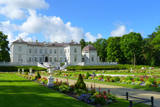 |
Палангский ботанический парк раскинулся вокруг Музея янтаря в Паланге. Это один из наиболее красивых, богатых и ухоженных парков в Литве. Он был разбит на территории священного леса Бируте, поэтому местные жители долгое время называли его парком Бируте. Парк площадью 101,3 га спроектирован настолько талантливо, что перед посетителем открывается огромное разнообразие пейзажей с уютными дорожками, красочными клумбами, 2 прудами и элементами малой архитектуры. |
|
 |
Ботанический сад является подразделением Шяуляйского университета. Это самый молодой и самый небольшой по площади ботанический сад в Литве. Сад был заложен в 1958 г. Его общая площадь составляет 6,54 га. |
|
 |
Хозяйство Pūpoli находится на берегу Рижского морского залива ‒ в 50 м от моря. Посетители могут увидеть, как разделывают и коптят камбалу, рыбца, леща, окуня и другую рыбу, а также могут продегустировать и приобрести рыбу. |
|
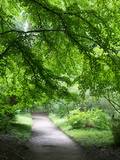 |
Established: 1931. The arboretum was set up at the suggestion of Latvia’s distinguished author Anna Brigadere. After her death and until 1935, the arboretum was supported and expanded by book publisher Jānis Rapa. There are some 180 foreign trees and shrubs of various kinds here. Some of the plants are outside the arboretum itself.
Unique plants: The Bunge’s Ash (Fraxinus chinensis), the Eastern Black Walnut (Juglans nigra), the American Buckeye (Aesculus glabra), the Smoketree (Cotinus coggyria), the White Mulberry (Morus Alba), and the Kentucky Yellowwood (Cladrastis kentukea).
|
|
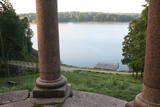 |
These are beautiful and impressive views, particularly early in the morning, of the historical locations of Alūksne. Go to Templis Hill, the Aleksandrs Pavilion, the obelisk which commemorates Heinrich von Fittinghoff, and the memorial to soldiers of the No. 7 Sigulda Brigade for good views. The Templis Hill, the castle ruins, the estate and the pavilions are arhitectural monuments.
|
|
 |
В ресторане, стоящем на берегу красивого озера Пюхаярв, что в Южной Эстонии, Вы сможете попробовать приготовленные шеф-поваром первоклассные блюда. Используются преимущественно свежие местные продукты. Также организуются специальные кулинарные мероприятия. |
|
 |
Семейный ресторан в 12 км от Талси, где можно попробовать традиционные блюда латышской кухни. |
|
 11 дней
|
Маршрут начинается в Риге с ее районом Югендстиля и Старым Городом. Затем отправляйтесь на поезде в Сигулду. Холмистая дорога ведет через Пещеру Гутмана, Турайдский Замок и Кримулдский Замок, которые стоят на берегах долины реки Гауя. Дорога затем идет в Лимбажи — типичный латвийский провинциальный город. Далее вы достигнете побережья Балтийского моря и Салацгриву, город, славящийся своими рыбацкими традициями и заколами для миног. За Салацгривой находятся редкие прибрежные луга и лагуны. После пересечения латвийско-эстонской границы, дорога вьется через старые прибрежные деревни — Икла, Треймани, Кабли и Хядеместе, прежде чем сливается с Виа Балтика. В Пярну прогуляйтесь по дороге для пешеходов Руутли и по старым укреплениям. А затем время переехать на острова — маршрут проходит через небольшой остров Муху. Посетите местное рыбное кафе в Ливи и этнографическую рыбацкую деревню Когува. Затем маршрут по дамбе ведет на остров Сааремаа. Основные достопримечательности во время маршрута - «Валъяла маалин» - один из наиболее впечатляющих холмовых фортов в Эстонии, церковь Валъяла и метеоритный кратер Каали. Оттуда на автобусе вы направитесь в столицу Эстонии Таллинн, с его очаровательным средневековым Старым Городом. А из Таллинна отправляйтесь на экскурсию на бывшую советскую базу для подводных лодок в Палдиски, незабываемом свидетельстве о недавнем историческом прошлом. |
|
 |
Briežuciems, kas atrodas Balvu novadā, ir izveidojies pēc 2. Pasaules kara kā padomju saimniecības „Briežuciems” centrālais ciemats. Mūsdienās Briežuciema amatu meistaru ciems ir vieta, kur tiek kopti un godāti tradicionālie amati, iesaistot tos mūsdienu dzīvē. |
|
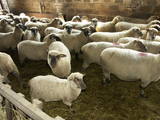 |
На полях крестьянсого хозяйства пасется более чем полторы сотни овец. Построена станция для кормления баранов, организуются аукционы животных и Дни овец. Хозяин проводит экскурсии, предлагает приобрести племенных овец и продукцию овцеводства. |
|
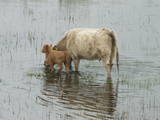 |
The shallow and mostly overgrown (65% of its surface) Lake Engure is one of those Latvian lakes which are most favoured by birds. It is a location which is governed by the Ramsar Convention on Wetlands, and 186 species of nesting birds have been identified there. The area is also distinguished by great botanical diversity (more than 800 kinds of plants). The coastline varies between sandy beaches and seashore meadows. There are forests, fishing villages and damp areas which ensure a great diversity in landscapes and species. The flood-land plains of the lake and the sea are grazing grounds for wild livestock – horses, blue cows, etc. Several bird-watching towers are open to visitors, as is the Orchid trail. The Centre for Ornithological Research is located on the eastern bank of Lake Engure. A unique floating house built by ornithologists is located on the lake. The territory is appropriate not just for holiday-makers, but also for hikers, bicyclists and bird-watchers. A leisure area and a small exhibition are located close to the ornithological research centre. |
|
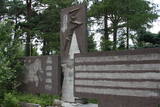 |
На территории Вентспилской части погранохраны располагался комплекс, состоящий из фундаментальных зданий, площадей и различных объектов, который в настоящее время заброшен и не охраняется, за исключением отдельных зданий.
|
|
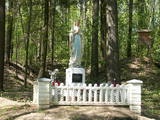 |
Городище Милкас находится на северном берегу залива западной
части озера Салайс, неподалеку от истока реки Малты. Гора поднимается
на 27 м над уровнем озера. Склоны городища крутые одинаково, только
восточная сторона более покатая. Местный предприниматель привел в
порядок городище и установил на нем статую Богоматери, свидетельству-
ющую о вере местных жителей Богоматери и убежденностью в существование Бога.
|
|


