
| Нo | Название | Описание |
|---|---|---|
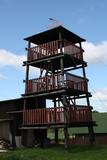 |
This is an interesting viewing tower which is part of one of the farm buildings. It offers a lovely view of the surrounding area.
|
|
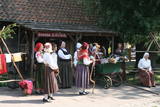 |
2003.gada decembrī folkloras kopa „Atštaukas” izveidoja folkloras centru „Namīns”, kurā svin svētkus, organizē Jāņu ielīgošanu, Lieldienu iešūpošanu, Miķeļdienas tirgu, Annas dienas Saimnieču svētkus, tautiskos Ziemassvētkus. „Atštaukas” palīdz saglabāt un popularizēt dažādus latviešu tautas godību rituālus, gan kāzu, gan arī bēru tradīcijas. Folkloras centrā „Namīns” darbojas arī skola, kurā bērniem tiek mācīta folklora un tautas tradīcijas. |
|
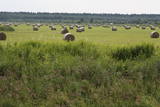 |
Open landscape area within farming lands on both banks of Uzava River about 10 km before it flows into the Baltic Sea. There is a good open view over the area from the Vendzava-Ziri road going through the nature park. Protection of migratory birds and corncrakes has been one of the main reasons for establishment of the nature park. Bird watching is possible from the road Vendzava-Ziri during migration period in spring and fall. There is no tourist infrastructure in the nature park.
|
|
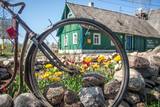 |
The guest house is located in Varnja Old Believers village and on the Onion Route - a destination on the shores of Lake Peipsi, the largest lake in Estonia and the trans-border lake of the European Union. It is about 45 km from Tartu. It offers the oppurtunity to experience authentic accommodation in a real home of an Old Believer family. Everything from the furnishing up to spoons and forks is as authentic as possible. The house has three rooms that can accommodate up to 10 people. Additional services: smoke sauna, Finnish sauna, plastic sauna, sauna in a tent, outdoor hot tub, boat rental, bicycle rental, camping, lake safari on a Karakat (wintertime only), boat house accomodation. |
|
 |
В рамках образовательной программы Екабпилсского исторического музея «Сырные рассказы» можно познакомиться с продуктом питания, входящим в ежедневный рацион, у которого тысячелетняя история – сыром, послушать познавательные рассказы об истории приготовления сыра и традициях использования сыра владельцами Крустпилсского замка – баронами Корфами. Минимальное количество людей в группе – 10. |
|
 |
On 14 June 1991, this sign sculpted by Zezostrs Ķēde in memory of the repressions of 1941 and 1949 was unveiled in the garden of Pēterupe Church. |
|
 |
Установлен напротив Крустпилсского замка, на улице Ригас. Памятник, построенный в 1925 году и восстановленный в 1992 году (автор A. Бирзниекс), установлен в честь павших крустспилсчан в боях за свободу Латвии. Отсюда приоткрывается вид на Маленькую Даугаву, Даугавсалиню и островок Адамсона (Крустспилс). |
|
 6 дней
|
Этот тур объединяет местные традиции виноделия со старинным шармом деревни с ее несколькими средневековыми замками и баронскими поместьями. Маршрут ведет в Сигулду, где на крутых берегах реки Гауя расположены три замка. Посетите средневековые замки Сигулду и Турайду, а затем отправляйтесь в поместье Кримулда, чтобы отведать их вина. Вас также ждет посещение семейного винодела в Сигулде. На следующий день по плану экскурсия в историческую деревню Лигатне и дегустация местных вин в песчаной пещере, типичной для этой местности. Далее на маршруте впечатляющий средневековый замок в Цесисе и поместье Унгурмуйжа, единственный сохранившийся образец архитектуры деревянного барокко в Балтии. Проведите ночь в бывшем поместье Дикли, где сейчас находится высококлассный отель. На следующий день маршрут поведет вас вдоль побережья моря, где расположен музей самого большого в мире лгуна – Мюнгхаузена. Вы также можете прогуляться вдоль песчаного пляжа. Затем посетите ферму местного винодела и отведайте его разнообразные вина, а затем отправляйтесь в поместье Бирини на обед и прогуляйтесь неспешно по его большому парку перед отъездом обратно в Ригу. |
|
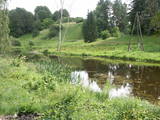 |
One of the few places in Latvia where there are so many well-organised pathways. The region is known for castle hills, the location where the great Latvian author Anna Brigadere (1861-1933) lived and worked, the storybook character figures that are scattered around that area, a great forest, an arboretum, a museum of history, a viewing tower, landscapes, etc. This has been recognised as the most family-friendly place in the country.
|
|
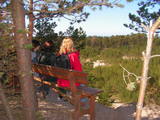 |
One of the highest dunes in Latvia, located between Bernāti and Jūrmalciems villages. It is 37m high and offers a magnificent view of the sea and natural pine forests. The highest dunes in Latvia stand to the South of Jūrmalciems village: the Pūsēnu hill, the Ķupu hill, the Mietragkalns or Tiesas hill, the Pāļu hill, the Garais hill, the Ātrais hill, the Lāvas hill. The Pūsēnu dune is the highest of these dunes which are all called hills by the local people. The Pūsēnu hill developed between 1785 to 1835 when shifting sand became extremely dangerous. Several homesteads were buried in sand, among them „Pūsēni”, where a forester’s family lived. The family is said to have moved to Bārta. The dune was named after the buried homestead. Jēkabs Janševskis, a Latvian writer, wrote in his book „Nīca”: “In olden times, large pine trees were growing in the dunes on the coast of Nīca and they stood steady and firm. But i Swedish times (around 1650), the Swedes built a large kiln for charcoal and tar. Pine wood and stumps provided an excellent material for this. Once a big fire rose, and the charcoal kiln burned down as well as the whole pine forest. The remaining stumps and bare trunks in the vast burnout could not hold the storm-driven sand; it flew further and further burying not only the burned-out forest, but also the nearest fields. In wintertime, when the vast, low marshy grasslands were covered with ice, jets of sand drifted further over its surface, and soon most of the grasslands and large meadows turned into sandy heath-land and dunes.” To reconstruct Liepāja, severely damaged during WWII, a silicate brick factory was built in the town. The main raw material was white sand and it was taken from the Bernātu forest. In the 1960-ies they started to dig off the Green Dune and the White Dune, later also the Pūsēnu hill. The excavators used to work day and night, in three shifts. The work stopped at around 1980, as there was no more sand suitable for production of brick. A trail is set up to facilitate walking in the Pūsēnu Dune in the Bernātu Nature Park. |
|
 |
Находится на берегу моря, с летней террасы открывается вид на приморские луга и мели, в т.ч на пляжи. Сотрудничает с крестьянами и рыбаками. Латышская кухня: Холодный суп, луковый клопс, молодой картофель с соусом из лисичек, жареный линь и щука, клубничный суп. Особое блюдо: «Черное крыло белой чайки» - куриное филе, копченое мясо, чернослив. |
|
 |
The area is in the centre of the Teirumnīki swamp, alongside a lake of the same name. There is a wooden footpath that crosses the swamp (800 metres). This is an excellent opportunity to study a high swamp, a swamp lake, and the surrounding environment.
|
|
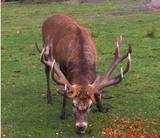 |
he wetland meadows that are around the Pededze River are the site of this 200 ha farm with some 350 red deer, other deer and wild boar. There are towers from which you can watch the graceful animals, and there are ponds for commercial fishing. Please contact the owner well in advance for a tour. |
|
 |
Pupuchi ražotnē top kraukšķīga un veselīga uzkoda no cūku pupām - Pupuchi. |
|
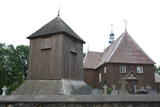 |
Iespaidīga koka celtne un izcils koka arhitektūras piemērs, kuru pamanīs katrs Plateļu apmeklētājs! Plateļu baznīca ir viens no Lietuvas vecākajiem koka dievnamiem. Pašreiz redzamais ir būvēts 1744. g., bet zvanu tornis – 1899. g. Dienvidos no baznīcas plešas Plateļu muižas parks. |
|
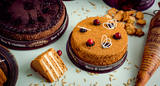 |
В кондитерском цехе у Инесе из природного и произведённого в Латвии сырья пекут медовые, шоколадные и творожные торты. Посетители могут ознакомиться с технологией выпечки тортов, попробовать и купить торты, принимаются индивидуальные заказы. |
|
 |
В восстановленном по инициативе Беверинского общества ремесленников домике предлагают продукцию ремесленников края и более обширной местности, творческие мастерские и мероприятия по освоению техник всевозможного рукоделия. Домик – это и учебный центр, и лавка для торговли изделиями ремесленничества, и Центр популяризации культуры, фольклора и латышской идентичности Беверинского края |
|
 |
Выращивающее пряности хозяйство Ööbiku расположено в экологически чистом районе. Здесь занимаются биологическим выращиванием пряностей, ягод и овощей, а также их дальнейшей обработкой. Также хозяйство занимается сушкой корнеплодов, фруктов и ягод. |
|
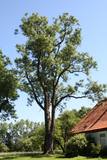 |
A very beautiful and expressive tree, it is found on the land of what was once the Vīceži Semi-estate.
|
|
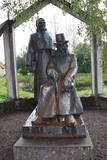 |
Находится рядом с домом культуры в Вецпиебалге. Архитектор памятника А.Скуйиня, скульптор - М.Еньгеле. |
|


