
| Нo | Название | Описание |
|---|---|---|
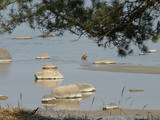 |
Западное побережье Рижского залива – важное место пристанища и питания большого количества мигрирующих пород птиц на протяжении года. Наиболее встречаемые виды птиц - краснозобая и чернозобая гагара, юрмальская большая утка, морянка, темная утка и малая чайка. Территория находится напротив Дундагского, Ройского и Энгурского края, а также города Юрмалы, площадь – 132 173 га. Территория включает морскую часть природного парка «Энгуре» и Кемерского национального парка.
|
|
 12 дней
|
The tour combines the most beautiful southern parts of the Forest Trail in Lithuania and Latvia. The route starts in Druskininkai, Lithuania, and for the next day you will walk through forests of the Dzūkija National Park. After getting to Vilnius and Kurtuvėnai Regional Park, two sections of the Forest Trail will take you from Dengtiltis to Šaukėnai. Since it is among the most forested areas of Central Lithuania, the Kurtuvėnai Regional Park with its glaciated valleys is a wonderland of forests, waters and wetlands. The Forest Trail will run along small forest paths, tourist trails, beautiful tree alleys and wetlands. Next you will take public transportation to reach the Žemaitija National Park, where you will taketwo sections of the Forest Trail from the pilgrimage town of Žemaičių Kalvarija along the lakes of Plateliai, Ilgis and Beržoras to the town of Plateliai. It is one of the most beautiful towns of Samogitia taking pride in its manor park and the viewing platform on Lake Plateliai. Žemaitija National Park takes pride in its old pine and fir forests, as well as mixed forests. From there on the Forest Trail takes you along the riverside promenade in Kuldīga, continues through the nature park “Abavas senleja” from Renda to the wine and cider town Sabile and Kandava. The section along the Abava River Valley Nature Park is the most diverse river valley in Kurzeme in terms of landscapes and terrain. The final section of the tour takes you to the Ķemeri National Park, which is an important place for the protection of wetlands. As to the town – Ķemeri – it is the former balneological and sulphur springs resort. The tour ends on the seaside – the village of Bigauņciems, from where you can easily get to Rīga. Optionally, one can take a detour along the Lake Sloka trail with its bird-watching tower or pay a visit to the “Forest House” – the visitor’s centre of the Ķemeri National Park. |
|
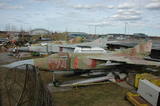 |
Крупнейшая коллекция советской авиационной техники (в т.ч. военной) в Балтии и Европе, которая собиралась более 40 лет. Коллекция располагается на территории Рижского аэропорта и публично доступна.
|
|
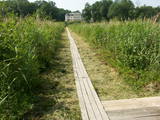 |
The best place to look at the restricted area of the Vīķi swamp and the Lielauce lake which is in the middle of that swamp is the Lielauce castle, where a wooden pathway stars. The pathway will lead visitors across the swampy shores of Lake Lielauce and deliver them at a boating area on the open part of the lake. The swamp itself is to the South-east of the lake. The restricted area is there to protect biotopes and species in the area. |
|
 |
Pokaiņu mežs atrodas 13 kilometru attālumā no Dobeles, braucot Īles virzienā. Tas, izvietojies uz stāviem pauguriem un dziļām ielejām, veido neparasti gleznainu ainavu. Mežā grupās, kaudzēs, akmens upēs un valnīšos, atrodas slavenie Pokaiņu akmeņu krāvumi. Krāvumi daudziem cilvēkiem liek sajust savdabīgus enerģijas strāvojumus - vieni redz vīzijas, bet citi – uztver informācijas plūsmu. Takas ved pa pagurainu apvidu.
|
|
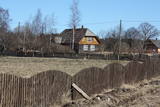 |
Находится на северо-западе (в направлении моря) от Питрагской баптистской церкви. Кургаты – это построенное в тридцатых годах прошлого столетия хозяйство рыбака и земледельца, которое внесло в населяемое ливами побережье новые элементы строительства – усеченный конец кровли, что не было характерно для ливских сельских построек. |
|
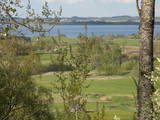 |
Один из популярнейших туристическихобъектов Латгалии.С вершины возвышенности (247 м н.у.м., около 60 м над ближайшими окрестностями) приоткрывается один из красивейших видов Латгалии на находящееся в двух километрах озеро Разна. На Маконькалнсе находится построенный в XIII веке и практически неприступный замок Ливонского ордена Фолкенберг – одно из первых укреплений Латгалии, от которого до наших дней сохранились только фрагменты стен . У подножья Маконькалнса открыта памятная доска, вещающая о посещении Латгалии президентом Первой Латвийской Республики Карлисом Улманисом в 1938 году. |
|
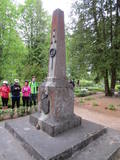 |
Находится на кладбище Бертуля. Создан по проекту Л. Швалбе. На лицевой стороне памятника помещена бронзовая плита с надписью «С глубокой благодарностью за Латвию павшим народным героям. 10-ое Руйиенское отделение Даугавас ванаги». На тыльной стороне памятника находится надпись «Бог, Отечество, Народ». Памятник был восстановлен в 1989-м году. |
|
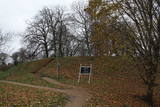 |
Находится в 0,1 м к югу от развалин Гробиньского замка, на правом берегу Гробиньского водохранилища. Гробиня является одним из древних заселенных мест Латвии, так как в период с VII по IX вв. (согласно другим источникам IV – Х вв.) здесь находилась крупная известная на территории теперешней Балтии скандинавская колония торговцев и воинов. Переселенцы-колонисты из Готланда и Швеции образовали колонию на холме правого берега судоходной в то время реки Аланде Скабаржкалнсе. Считается, что именно здесь находился упоминаемый в хрониках IX века куршский Юрпилс (Seeburg). Происхождение топонима (Скабаржкалнс) связывают с тем фактом, что в Курземе грабы в свое время назвали гробами. Скабаржкалнс - древнее городище куршей, рядом с которым найдены остатки древнего города. Исторические источники свидетельствуют о том, что в 1263 году замок куршей без боя был отдан рыцарям Ливонского ордена для сожжения. С противоположным берегом городище соединяет небольшая деревянная переправа. |
|
 3 дня
|
Маршрут ведет по южной части исторического края Курземе и включает самые интересные туристические объекты, различные прибрежные пейзажи, и через Земгале возвращается в Ригу. На участке от Юркалне до Лиепаи маршрут идет вдоль побережья Балтийского моря, которое еще двадцать лет назад было закрытой режимной приграничной зоной, в которую попасть можно было только с наличием специального разрешения. В маршрут входят охраняемые природные территории, открытые для посетителей сельские хозяйства, в которых можно как попробовать, так и приобрести качественную продукцию, выдающиеся памятники культуры, Лиепая с выдающимся спектром военного наследия в Военном порте (Каросте) и оживленная Елгава, где обязательно надо подняться на башню церкви Святой Троицы для обозрения окрестностей. Информация о маршруте от Latvijas Lauku forums |
|
 15 дней
|
The road trip from Vilnius to Rīga will take you to the most beautiful and important sightseeing places of the Next on the route is the Dubysa Regional Park, which includes the spectacular Dubysa river valley, historic churches and mounds along its banks. Be prepared, since the terrain of this area is rather rolling. Next, you will visit the town of Šiluva, which is a Catholic pilgrimage site, and then travel to the Tytuvėnai Regional Park, where you walk the natural trail of the lake of Gilius, which is part of the Forest Trail. The tour will continue in the Kurtuvėnai Regional Park, where you will walk one section of the Forest Trail from Kurtuvėnai to Šaukėnai, leading along small forest trails, educational trails, beautiful tree alleys and through wetlands. Then you will go to the region of Samogitia, visiting Telšiai and walk one of the Forest Trail sections along Lake Plateliai. Next, the tour takes you through the stone town of Mosėdis to Latvia, where you will stop over to have a walk on one of the oldest towns in Latvia – Aizpute, enjoying its 19th century wooden architecture and the local wine brewery. Next you will take a small walk along the Forest Trail in the eye-catching Kazdanga manor park and drive on to the most beautiful town of Kurzeme – Kuldīga. At the end of the tour, you will walk a section of the Forest Trail along the Abava River Valley Nature Park and nature trails in the Ķemeri National Park. |
|
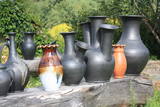 |
Обаятельный гончар приглашает в гости, предлагает экскурсию, демонстрацию навыков, участие посетителей в процессе производства керамических изделий, а также приглашает интересующихся на открытие печи. Приобретение гончарных изделий. |
|
 |
Находится на 22 км шоссе Рига - Лиепая (A 9). Блюда готовятся г.о. из даров леса. Интерьер выполнен в тематике охотничьего промысла. Рядом размещен загон с ланями. Латышская кухня: Жаркое из косули, жаркое из кабана, стейк из оленьего окорока, жаркое из баранины, фаршированная ручейная форель. |
|
 2 дня
|
This tour will give you an impression of the eastern part of Latvia, which is less populated and also less popular among tourists. You will first arrive in Aluksne and explore the town, which is located at Alūksne highland, on the shore of Lake Alūksne. It is worth visiting Temple Hill – an old Latgalian castle mound and the place of the old town, Sun bridge, and the Castle manor park, Alūksne Lutheran Church and the Bible Museum. After staying there overnight you will go by bus to the start point of the hike in Ape. This Forest Trail section winds through a hilly farmland landscape, then enters a large dark forest, occasionally interrupted by the blue surfaces of lakes. After Peļļi, it crosses the Latvian/Estonian border and winds along the shores of the lakes Smilšājs, Sūneklis and Ilgājs for 2 km on the Estonian side, known as Paganamaa (translation: Devil's Land). There it descends and enters the Korneti-Peļļi subglacial depression, one of the most impressive ravines in Latvia. The Forest Trail returns to Latvia at Lake Ilgājs and, after a steep climb, takes you through a hilly area to the Drusku castle mound. Here you can enjoy a beautiful view. At the end of this tour, you will reach Korneti. The section is located in the protected landscape area “Veclaicene”. |
|
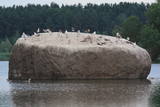 |
Находится к югу от Екабпилса, в северо-восточной части песчано-гравийного карьера Раджу (водохранилище Раджу). Интересно, что камень найден во время разработки карьера. Камень Раджу оценивается как второй по величине валун Латвии (объем ~ 100 м3). В северной части карьера создан Екабпилсский лесопарк – популярнейшее место для прогулок, отдыха и занятий спортом горожан. В 2012 году пляжу водохранилища Раджу присвоен «Голубой флаг». |
|
|
|
Кафе в гостевом доме «Имулас»у дороги Кандава – Сабиле (9 км) в древней долине Абавы, в 5 километрах от Сабиле. Предлагаются латышские традиционные блюда, вкусные стейки, приготовленные на гриле с разными гарнирами, итальянская паста, а также блюда китайской кухни. |
|
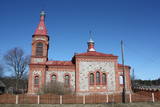 |
Сведения о принятии ливами православия содержались в документе, найденном во время реставрационных работ (девяностые годы прошлого столетия) на колокольне Колкской лютеранской церкви (см. далее), который находился здесь с момента строительства храма - 1885 года. В документе сообщалось, что переход ливов в православие или в так называемую царскую веру «не связан с вероисповеданием, но это служит средством, как получить земельное преимущество или наслаждение». Православный приход в 1885 году приобретает землю от барона Остен - Сакена. На ней в 1890 году строится церковь, дом священника и здание школы. Все строения сохранились до наших дней. Церковь имеет свой приход, и богослужения проводятся раз в месяц. Имеются сведения, что Колка – это единственный прибрежный поселок ливов, где в девяностых годах XIX века построили православную церковь. Церковный колокол занял свое место в 1936 году. В советское время церковь использовали как часовню, а в наши дни она играет свою первоначальную роль. |
|
 |
Atrodas sporta un atpūtas kompleksā „Trīssaliņas”. No torņa paveras pievilcīga apkaimes ainava, kas īpaši skaista ir pieneņu ziedēšanas laikā. |
|
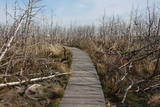 |
Nahe der Beerkopfdüne ist im Frühling 2006 „ein Brand der Jahrhunderte” gewessen. Es wurde der hundert Jahre alte Wald in der Fläsche von 235h ausgebrannt. Ein Pfad mit Holzbelag. |
|
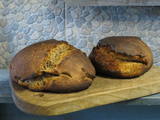 |
Хозяйка в напольной дровяной печи печет настоящий латышский деревенский ржаной хлеб. Тесто готовит из ржаной или пшеничной муки с добавлением соли, сахара, тмина и на натуральной закваске. Посетители могут наблюдать и принять участие в процессе выпечки хлеба, попробовать и купить хлеб, а также осмотреть музей. Все в хозяйстве выращивают сами в духе, дружественном к окружающей среде! |
|


