
| No | Name | Description |
|---|---|---|
 5 days
|
The historical route from Rīga to Liepāja passes through Dobele, Saldus, Skrunda, Durbe and Grobiņa, and it dates back to the 13th century. Remnants of Scandinavian settlements near Grobiņa also testify to the antiquity of the region. Many things happened on the road and around it that were directly linked to the establishment of the Republic of Latvia and to its subsequent freedom battles. At the Tīreļpurvs swamp, Latvian riflemen demonstrated their battel capabilities and heroism during the so-called Christmas battles, thus proving that a new country had been born. The trails of the swamp are open to visitors, and there is an historical exhibition at the Mangaļi homestead. Rīga is clearly marked along this route by the Latvian National Theatre, where independence was proclaimed in 1918. Later the hostile attack of Bermont’s forces was stopped at the banks of the Daugava, and the superior force was ejected from Rīga and Latvia. Approximately 70 km from Rīga is the Pikšas museum, which is the birthplace of Latvian President Kārlis Ulmanis and a good example of farming between the two world wars. The museum of Colonel Oskars Kalpaks at Airītes offers a look at battles that occurred in the region and at things that Kalpaks did during World War I and the subsequent liberation battles. There were battles near Skrunda and Saldus, and it was in Liepāja that German General von der Goltz conducted a coup that led Latvia’s temporary government to seek refuge on the ship the Saratov, upon which it sailed to Rīga after the city’s liberation. Liepāja has always been an important port, and once it offered passenger services all the way to New York. |
|
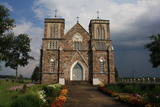 |
Atrodas skaistā vietā – Elernes loka ziemeļdaļā, Daugavas senielejas malā. Mūsdienās redzamais dievnams celts no tēstiem laukakmeņiem iepriekšējo vietā laikā no 1934. - 1961. gadam. Pēc baznīcas uzcelšanas padomju vara tajā izvietoja klubu, tādēļ draudze baznīcu atguva tikai 1989. gadā. Šīs vietas agrākais nosaukums – Naujene (Novene) ir lietuviešu cilmes. Savukārt, Juzefovas vārds cēlies no vietējā muižnieka Juzefa (Jezupa) Šadurska. |
|
 |
The Ķemeri school was built in 1934 (architect
Kārlis Cināts). It is one of the few school buildings in
Latvia to have preserved an historically valuable interior
and exterior, including allegorical images on the façade.
|
|
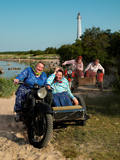 |
Cultural space of Kihnu (www.kultuuriruum.ee) is incorporated in the UNESCO list of Masterpieces of Oral and Intangible Heritage of Humanity, and is a quaint mix of old and modern. The local history museum displays tools, clothes, handicraft and furniture. |
|
 |
Restaurant Agnese takes you on a culinary tour around the world. Local fruits of nature and produce by farmers are prepared with love, highlighting the value of Latvian flavours. The menu also includes several globally recognised recipes. |
|
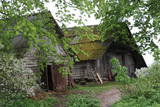 |
Maza apdzīvota vieta ar dažām viensētām uz pussalas (salos tulkojumā no lietuviešu valodas nozīmē „sala") starp vairākiem ezeriem. Salos II ir viens no sešiem Augštaitijas nacionālā parka etnogrāfiskajiem ciemiem. Ciems patiks tiem, kas meklē ļoti nomaļas vietas ar vecām guļbaļķu dzīvojamām un saimniecības ēkām. No Salos II pa sauszemes maršrutu var doties pārgājienā līdz Ladakalnim un Ginuču pilskalnam (sk. iepriekš). |
|
 |
Visitors are welcome to this ecological cattle farm to learn about its history and operations. The farm offers the "Aubraki" breed of cattle, oats, spelt and forest berries. You can buy fresh and aged beef that is ecological, as well as the berries. |
|
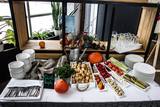 |
The restaurant offers a range of delicious and healthy meals from a range of international dishes with a wide variety of drinks, freshly baked biscuits, truffles, cakes and seeded breads are also available with lunch or dinner meals. There is a special daily offer available on weekdays and ability to organize a range of themed events, all catered for with food, drink and our freshly baked goods. A children’s menu is available for younger guests as well as playroom and a playground located next to the windmill. |
|
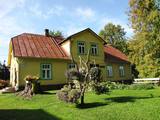 |
Pēteris Barisons (1904-1947) was a Latvian composer and conductor, and this is his birthplace – the Skudras homestead. The exhibition features the composer’s personal items, including musical instruments, documents and other bits of evidence about his life. Call +371-6512-9504 to arrange for a visit. |
|
 |
Traķu pussalas pils austrumu mūrim pieguļ ar mežu apaudzis iespaidīgs pilskalns (uzved koka kāpnes) – t.s. Upurkalns, kurā pirms mūra pils celtniecības stāvējusi koka pils. 1779. g. dominikāņu mūki sagrautās Pussalas pils vietā uzsāka baznīcas celtniecību. Jau vēlāk – 1822. – 1823. g. vienā tās daļā uzcēla dominikāņu klosteri, bet otrā – kapelu. 1990. g. šeit izvietoja Traķu vēstures muzeja administrāciju, bet 2005. g. kapelā izveidoja Sakrālās mākslas izstādi. 2011. g. ēku kompleksā notika vērienīgi rekonstrukcijas darbi. |
|
 |
Ap 9 km garā taka (vienā virzienā) sākas Skaņākalna dabas parkā (Mazsalacā) un beidzas pie Ramatas. Tā iepazīstina ar Salacas ielejas dabas parka nozīmīgākajām vērtībām – smilšakmens atsegumiem (Skaņaiskalns, Dauģēnu klintis u.c.), alām, nozīmīgu izmēru laukakmeņiem u.c. Taka marķēta. Tajā izvietoti informācijas stendi, norādes. Jāpadomā par loģistiku – kā nokļūt sākuma punktā. |
|
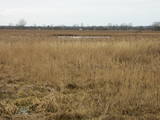 |
Most of this restricted area is made up of a shallow and eutrophic body of water in which many species of birds, including some that are rare and protected, nest. Specialists say that anywhere between 150 and 450 pairs of black-headed gulls nest in this area on a regular basis.
|
|
 |
В мастерской рождается чудесная латгальская керамика. Посетители могут увидеть видеофильм, посвященный гончарному делу, в котором наглядно показано, как из кома глины появляется посуда. Экскурсия, возможность поработать самим и покупка готовых работ. |
|
 3 дня
|
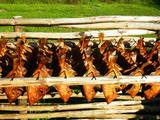
Берегом ливов сегодня именуется ряд прибрежных поселков от Овиши до Гипки вдоль берегов Балтийского моря и Рижского залива. Ливы, также как и латыши, – один из коренных народов Латвии, предки которых проживали в этих краях более чем 5000 лет тому назад. Они проживали на обширных землях сегодняшней территории Латвии в Курземе и в Видземе. Дольше всего ливы проживали на побережье Балтийского моря – В северном Курземе. На берегу ливов все еще можно встретить настоящих ливских рыбаков, почувствовать запах копченой рыбы, отведать традиционные блюда, осмотреть разные виды заборов, ощутить сдержанный шарм рыбацких поселков, понаблюдать за встречей двух морей, птиц и людей в Колкасраге, услышать ливский диалект латышского языка, увидеть круглые спины дюн (кангаров) и болотистые кривые впадины (виги) между ними, увидеть маяк Шлитере, зелено-бело-синий флаг ливов, красные ягоды клюквы, пути перелетных птиц и синих коров. С древнейшими свидетельствами ливов можно ознакомиться в Центрах ливов. Сегодня дух ливов живет в названиях мест, изделиях ручной работы, в национальных костюмах, в восприятии мира и стиле жизни местных жителей. Ливский язык и культурные ценности включены в состав Латвийского национального культурного наследия. Традиционная культура ливов входит в латвийский культурный канон. |
|
 |
В этом хозяйстве занимаются разведением коз и производством различных продуктов из козьего молока, делая из свежего исходного сырья козий сыр и другую продукцию. На полях хозяйства также растет картофель, сочная клубника и другие продукты. За столом в летней беседке могут с комфортом сесть и пообщаться 15-20 человек. Предлагается легкая еда ‒ на 100 % из продуктов, выращенных и произведенных в хозяйстве. |
|
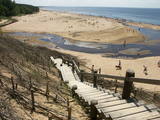 |
С дюны открывается красивый вид на море, устье реки Инчупе и широкий пляж. Белый песчаный холм дюны высотой 18 метров в древности служил ориентиром для местных рыбаков. Здесь установлено несколько объектов для осмотра: “Ворота”, мама-ежиха Фрида и заяц Фредис, которые побуждают людей не мусорить, а также дорожка насекомых и др. От Белой дюны до центра Саулкрасты вьется 4-километровая тропа Заката. |
|
 |
This is a small area with lots of different terrains – high hillocks, distinct river valleys, thermal streams, continental dunes, etc.
|
|
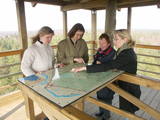 |
Находится на Пулеметной горке, которая является одной из самых высоких точек Длинной дюны. Рядом находится памятник доблестным латышским стрелкам, которые потерпели большие потери в ходе Рождественских боев в конце 1916 г. Просматриваются большие лесные массивы до самой Юрмалы и болото Мазтиреля, на котором хорошо выделяется место бывшей узкоколейной железнодорожной насыпи. Входит в Мемориальный парк Рождественских боев, где можно осмотреть музей Мангали, восстановленный “Немецкий вал”, памятники и другие объекты. |
|
|
|
Eine Asstellung der Steine unter freiem Himmel, eingerichtet vom litauischen Ärzt Intas Vaclovas (1925 – 2007). Ein Museum der einzigartigen Steine. |
|
 3 дня
|
Here you will learn about home-based manufacturers, farms, companies and others in northern Vidzeme that produce various dairy products such as milk, yogurt, cottage cheese, cheese, ice cream, etc. You’ll start out in Cēsis with its Medieval old town, castle ruins, St John’s Lutheran Church and other destinations. Wind your way through the Gauja National Park (Ungurmuiža, Lake Ungurs, the Medieval castle and church at Straupe). You’ll hit the seashore at Saulkrasti and then drive along it to Tūja, where you will turn inland again. In Limbaži you will find Medieval castle ruins, a monument to the great folklorist Krišjānis Barons and other objects. Drive on to Valmiera (St Simon’s Church, castle ruins, a museum, Emotion Park, etc.), Rūjiena and Naukšēni (the Naukšēni Estate). Along the “Northern Pathway” you will reach Kārķi and then Smiltene and legendary Rauna (the Raunas Staburags cliff) before returning to your starting point. |
|


